• NEWS
  • ABOUT
    • Bio
    • DMG
    • Beleza!
    • Awards
    • Commissions
    • Louie! Louie! Louie!
  • MUSIC
    • DM Radio
  • EDUCATION
    • Lessons
    • Classes
    • Workshops
  • TOUR
    • Tour Support
    • Touring History
  • BLOG
  • MEDIA
    • Radio
    • Videos
    • Press Kit
    • Reviews
    • Interviews
    • Newsletters
    • Quotes
  • DISCOGRAPHY
    • 2022 Cascadia
    • 2016 Jazz Noir
    • 2014 Sagebrush Rebellion
    • 2010 Grant & Matheny
    • 2008 Best of Dmitri Matheny
    • 2007 Spiritu Sancto
    • 2006 The SnowCat
    • 2005 Nocturne
    • 2000 Santa's Got a Brand New Bag
    • 1998 Starlight Cafe
    • 1996 Penumbra
    • 1995 Red Reflections
  • SHOP
  • CONTACT

DMITRI MATHENY

  • NEWS
  • ABOUT
    • Bio
    • DMG
    • Beleza!
    • Awards
    • Commissions
    • Louie! Louie! Louie!
  • MUSIC
    • DM Radio
  • EDUCATION
    • Lessons
    • Classes
    • Workshops
  • TOUR
    • Tour Support
    • Touring History
  • BLOG
  • MEDIA
    • Radio
    • Videos
    • Press Kit
    • Reviews
    • Interviews
    • Newsletters
    • Quotes
  • DISCOGRAPHY
    • 2022 Cascadia
    • 2016 Jazz Noir
    • 2014 Sagebrush Rebellion
    • 2010 Grant & Matheny
    • 2008 Best of Dmitri Matheny
    • 2007 Spiritu Sancto
    • 2006 The SnowCat
    • 2005 Nocturne
    • 2000 Santa's Got a Brand New Bag
    • 1998 Starlight Cafe
    • 1996 Penumbra
    • 1995 Red Reflections
  • SHOP
  • CONTACT

Viewing: Humility - View all posts

THE SLOW FADE 


“Aging is not for the faint of heart.
It requires a slower pace, a steadier step,
and the wisdom to say goodbye without fear.”
—Meryl Streep

“I never heard of a jazz musician who retired.
You love what you do, so what are you
going to do, play for the walls?”
—Nat Adderley


I’ve been thinking about retirement.

For old road dogs like me, retirement is a tricky proposition.

Do we even want to retire? We love what we do. Why should we stop?

Occasionally you'll hear about a musician retiring “from stage to page,” exchanging public performance for the solitary work of composing music or writing a memoir. Others become painters, poets, or novelists. That's less retirement than reinvention.

Nobody expects us to retire. Most of our heroes didn’t. Unlike professional athletes, jazz musicians don’t “age out” of the business. When our strength, stamina, or chops begin to wane, we adapt. We simplify. We change our style.

Most of us can’t afford to retire. Self-employed artists rarely make enough to build any real retirement savings, and many end up with modest Social Security benefits. We’re responsible for our own healthcare. We don’t get paid vacations. We don’t receive paychecks, pensions, or 401k matching funds. We’re out here on our own.

A fortunate few get to expire on the bandstand. Bonus points if you drop dead during the applause, right after your brilliant solo! This exit strategy is called The Big Finish. We should all be so lucky.

The retirement plan for most of us, however, is The Slow Fade. You keep working because you must. Over time your health, mobility, and mental sharpness begin to decline. At the same time you experience a decrease in professional activity and cultural relevance. It feels like ageism, but it’s entropy. Fewer gigs, smaller crowds, less attention. A gradual slide from relative notoriety into obscurity and, eventually, total anonymity.

Fading out was never my plan. I wanted to finish the story on a high note. I wanted to go out on top.

When I was first starting out, I envisioned my career as a steady climb upward until finally, in my ultimate season, the capstone: a glorious Farewell Tour! I imagined joyously returning to all my favorite festivals, clubs, and concert halls for one final performance. I would play my heart out, then retire to a quiet life of leisure.

Now both of those dreams—the steady ascent and the victory lap—sound grandiose and incredibly naive to me. I've had a good run, but it felt less like scaling a mountain than navigating a winding river. Not a disciplined escalation so much as a cunning negotiation of life’s twists and turns, ebbs and flows, ups and downs.

Nevertheless, the idea of “a quiet life of leisure” sounds pretty good right about now.

After ten thousand gigs and half a century of hustling, I'm ready to rest, though the rewards of a life in music rarely arrive in a brokerage account. Most of them are non-monetary. I can't afford to quit working—not anytime soon, not in this economy.

I’ll need to keep earning a living for the foreseeable future—and perhaps that’s for the best. Creating, performing, and contributing are what give my life meaning. I would surely miss the connection with the audience and my bandmates, were I to leave it all behind.

But I can’t just keep going until the wheels fall off, and I won’t wait around for the slow fade to occur naturally. I must shape the process intentionally, little by little.

This body, mind, and spirit call for a deliberate downshift to a sustainable pace.

Maybe “retirement” isn't the right word. Maybe what I'm after is merely a gentler tempo.

I’ll continue to make the best music I can for as long as I can, for whomever is listening. I’ll simply do more with less: smaller projects, shorter tours, fewer gigs. From here on, it’s quality over quantity.

No retirement party.
No celebratory splash.
No farewell tour.

Just a long, slow decrescendo.

Diminuendo al niente.

07/05/2026

  • 1 comment
  • Share
    THE SLOW FADE

    Share link

in Art, Pop Culture, Jazz, Quotes, Encouragement, Motivation, Mindfulness, Oral History, Role Models/Mentors, Dmitri Matheny Quotes, Mystery, Youth, Dmitri Matheny Memoir, Bidness, San Francisco, Intention, Film, Advocacy, Dreams, Simplicity, Humility, Fame & Popularity, Restraint, Resourcefulness, Change, Art Farmer, Love, Health & Fitness

SLOW LIVING UPDATE | JULY 2026 

“We don't stop playing because we grow old;
we grow old because we stop playing.”
—George Bernard Shaw

Can it really be true?

Is this year already half over?

Damn. For “The Year of Slow Living” it sure is going by awfully fast!

I suppose I shouldn’t be surprised. After all, they do say “time flies when you’re having fun,” and I’m having plenty.

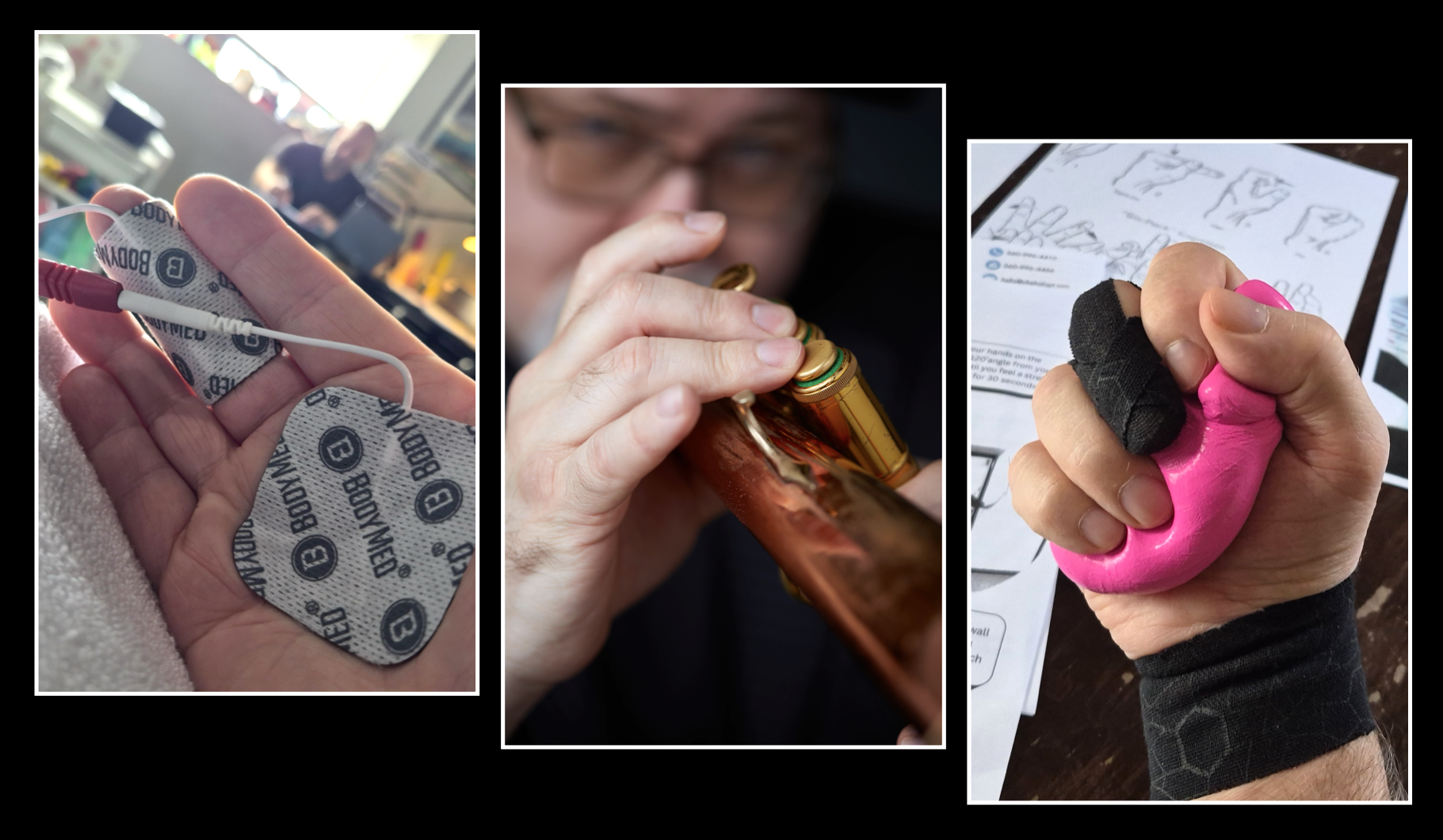
Because finally, after weeks of digital exercises, physical therapy sessions, and care team visits, my flugelin’ hand has fully healed from surgery.

I’m back to doing what I love: traveling, making music, living the dream. I’m even writing again!
 

There’s nothing like being sidelined for a while to make you appreciate getting back in the game.

Looking ahead, I remain mindful of two very important things:

1. I can’t stop working (so I sure as hell better pace myself), and
2. I can’t do this alone.

I’ve never been more grateful for my family, friends, and fans.

Your love and support mean the world to me.

Onward!

07/01/2026

  • Leave a comment
  • Share
    SLOW LIVING UPDATE | JULY 2026

    Share link

in Jazz, Quotes, Motivation, Mindfulness, Dmitri Matheny Memoir, Bidness, Intention, Literature, Simplicity, Humility, Restraint, Resourcefulness, Change, Love, PNW Life, Health & Fitness

SLOW LIVING UPDATE | APRIL 2026 

“Der mentsh trakht un got lakht.”
Man plans and God laughs.
—Yiddish Proverb

In my most recent slow living update, posted at the end of March, I was upbeat.

The curse had been lifted!

The one-battle-after-another constant crises of 2025 were in our rear view mirror.

This was a brand new year, I sighed with relief. The Year of Slow Living.

I was encouraged, because the first quarter had been entirely free of drama. I'd been able to sustain a gentle, stress-free lifestyle for three full months, managing the RA and making all my gigs without incident or injury.

Moreover, springtime had awakened in me a resurgent feeling of purpose. I felt confident and ready to take on the month of April and its more demanding tour schedule.

“I’m not worried,” I wrote. “I’ll take my time and enjoy the journey. My only job is to pace myself.”

You know what happens next: Man plans, and God laughs.

Two days later I’m in the hospital, the entire tour is canceled, and slow living is suddenly, and quite literally, “just what the doctor ordered.” I was given no choice. I'd been sidelined. The month ahead would now be, out of necessity, entirely about rest, recovery, and rehabilitation.

Being sidelined is scary. After all, there's no “paid leave” in our line of work. Fortunately, I haven't had to face this alone. I'm so grateful for the support we received this month from caring friends and family members.

I’m not gonna lie. These solitary weeks in the hunker bunker have not been easy. 

I've been working hard, faithfully following the PT program designed by my care team, stretching the joints and tendons, incrementally pushing through the pain, gradually rebuilding strength and endurance. And I've been diligently practicing rudiments on the horn for a little longer each day, steadily recovering dexterity and fine motor function in my hand and fingers. 

Now it's time to suit up, get back out there, and face the music once again!

Tomorrow is my first gig since the surgery, but I’m not worried.

I’ll take my time and enjoy the journey.

My only job is to pace myself.

04/28/2026

  • Leave a comment
  • Share
    SLOW LIVING UPDATE | APRIL 2026

    Share link

in Pop Culture, Encouragement, Motivation, Mindfulness, Oral History, Dmitri Matheny Memoir, Bidness, Intention, Superheroes, Advocacy, Simplicity, Humility, Restraint, Resourcefulness, Change, PNW Life, Home

PROGRESS REPORT | RANDORI 


Only one more week remaining here in the hunker bunker! I’m fighting the good fight.

Hand rehab is going well: 90 minutes of PT weekly, plus prescribed exercises several times daily.

I’m not yet able to fully extend my fingers or make a fist, but I’ve recovered most sensation and flexibility, and the pain is almost entirely gone, which is encouraging.

Most importantly, I’m able to practice for a little longer each day, so it should be safe to return to work soon.

The stiffness in my fumbling flugel fingers, however, is supremely frustrating!

Passages I could play before with lyrical ease are now difficult to execute.

So it’s back to basics: scales, patterns, and etudes. Shout out to my old nemesis Herbert L. Clarke!

I play each exercise slowly with the metronome, gradually increasing the tempo, only after I’m able to place each note precisely and with equal weight. It’s mind-numbing work, but necessary.

Meanwhile, I’m also battling the bean-counting bureacrats of the deviously labyrinthine Medical-Industrial Complex. Sigh. #IYKYK

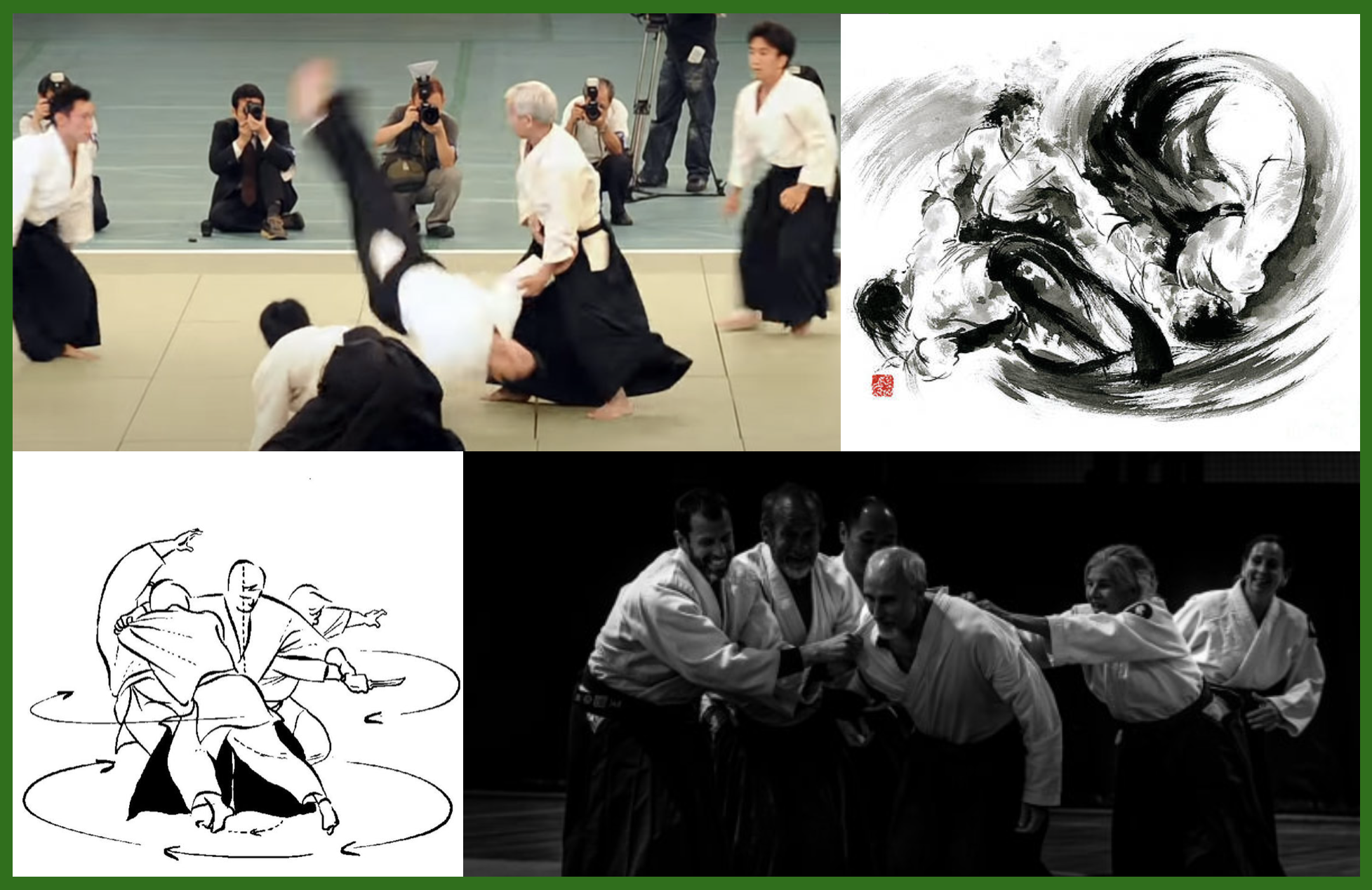
In the martial art of Aikido, the Japanese term “randori” (乱取り), literally “seizing chaos,” is an advanced technique in which the practitioner must improvise a defense against multiple attackers.

Opponents strike randomly using a variety of weapons. The unarmed randori master, alone at the center of this chaotic whirlwind, remains relaxed and ostensibly motionless. He anticipates, reacts, and deflects, expending little effort, even as he sends assailants flying in every direction.

What a beautiful and inspiring image!

To calmly face all of life’s battles—mental, physical, financial, existential—with grace.

Seizing chaos! Stillness within motion. You dig?

Fortunately, we don't have to fight every battle alone!

Thank you all for your encouragement and support.

04/22/2026

  • Leave a comment
  • Share
    PROGRESS REPORT | RANDORI

    Share link

in Encouragement, Motivation, Mindfulness, Oral History, Role Models/Mentors, Dmitri Matheny Quotes, ShuHaRi, Esoterica, Dmitri Matheny Memoir, Bidness, Intention, Advocacy, Simplicity, Humility, Restraint, Japanese Culture, Resourcefulness, Change, Health & Fitness

PROGRESS REPORT | HOME STRETCH 

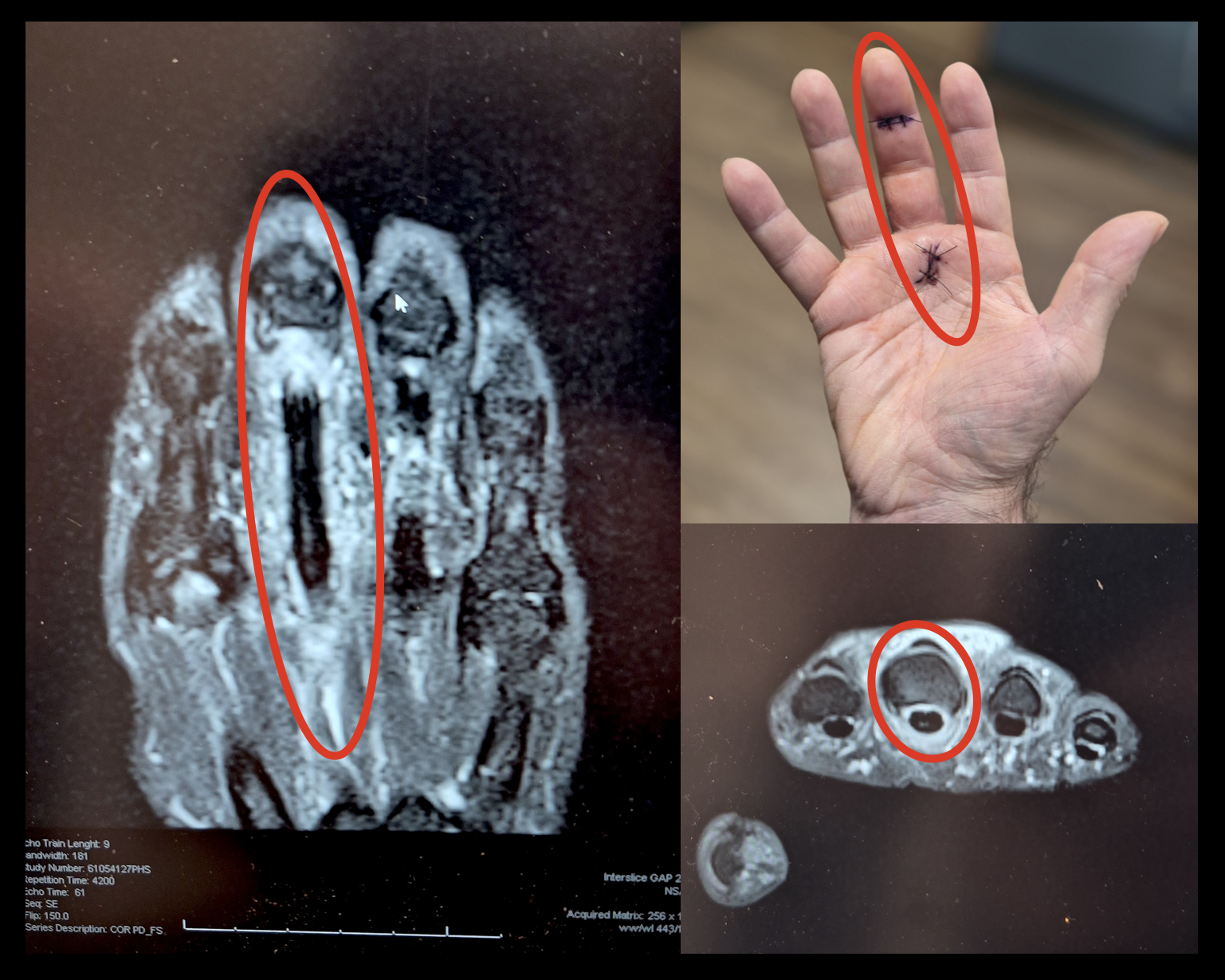
Welp, the stitches are out, the bandages are off, and the hand looks good!

The procedure was a grand success. Shout out to Dr. Francisco Rodriguez Fontan and the excellent care team at Providence Centralia.

They saved my second valve finger and cleared the infection. They’re going to keep me on antibiotics for another couple of weeks, just to be sure, but this is wonderful news.

And nary a sexy scar! My only souvenirs from this adventure will be two tiny incision marks on my palm and finger tip, and some permanent inelasticity in my joints and tendons.

Now to recover as much fine motor function in my flugelin’ hand as possible. I can’t make a fist yet, or fully extend my fingers, but I’m already able to practice for a full hour before prohibitive pain and stiffness return.

I’ll remain laser focused on PT, OT, stretches, and flugel rudiments, adding 5-10 minutes daily, until it’s safe to return to work. I hope and expect to be road-ready by month’s end!

Heartfelt thanks to our friends and family for all your good thoughts and generous support while I’ve been sidelined. Your kindness means the world.

See you soon!

04/20/2026

  • Leave a comment
  • Share
    PROGRESS REPORT | HOME STRETCH

    Share link

in Motivation, Mindfulness, Dmitri Matheny Memoir, Intention, Advocacy, Simplicity, Humility, Restraint, Resourcefulness, Health & Fitness, Home

PROGRESS REPORT | RECOVERY PROCEEDING APACE 

Preparing for my future TED Talk: 
Vigilant Diligence for Digital Impediments to the Rudiments Regimen

Update: two weeks post-surgery, and rehabilitation is proceeding apace!

Now able to practice for 45 minutes with only minimal pain and stiffness, adding 5 minutes daily.

Feeling so very grateful to everyone for the help and encouragement.

04/17/2026

  • Leave a comment
  • Share
    PROGRESS REPORT | RECOVERY PROCEEDING APACE

    Share link

in Quotes, Encouragement, Motivation, Mindfulness, Oral History, Dmitri Matheny Quotes, Dmitri Matheny Memoir, Bidness, Intention, Advocacy, Simplicity, Humility, Restraint, Resourcefulness, Health & Fitness

PROGRESS REPORT | SLOW & STEADY 

“Adopt the pace of nature: her secret is Patience.”
—Ralph Waldo Emerson

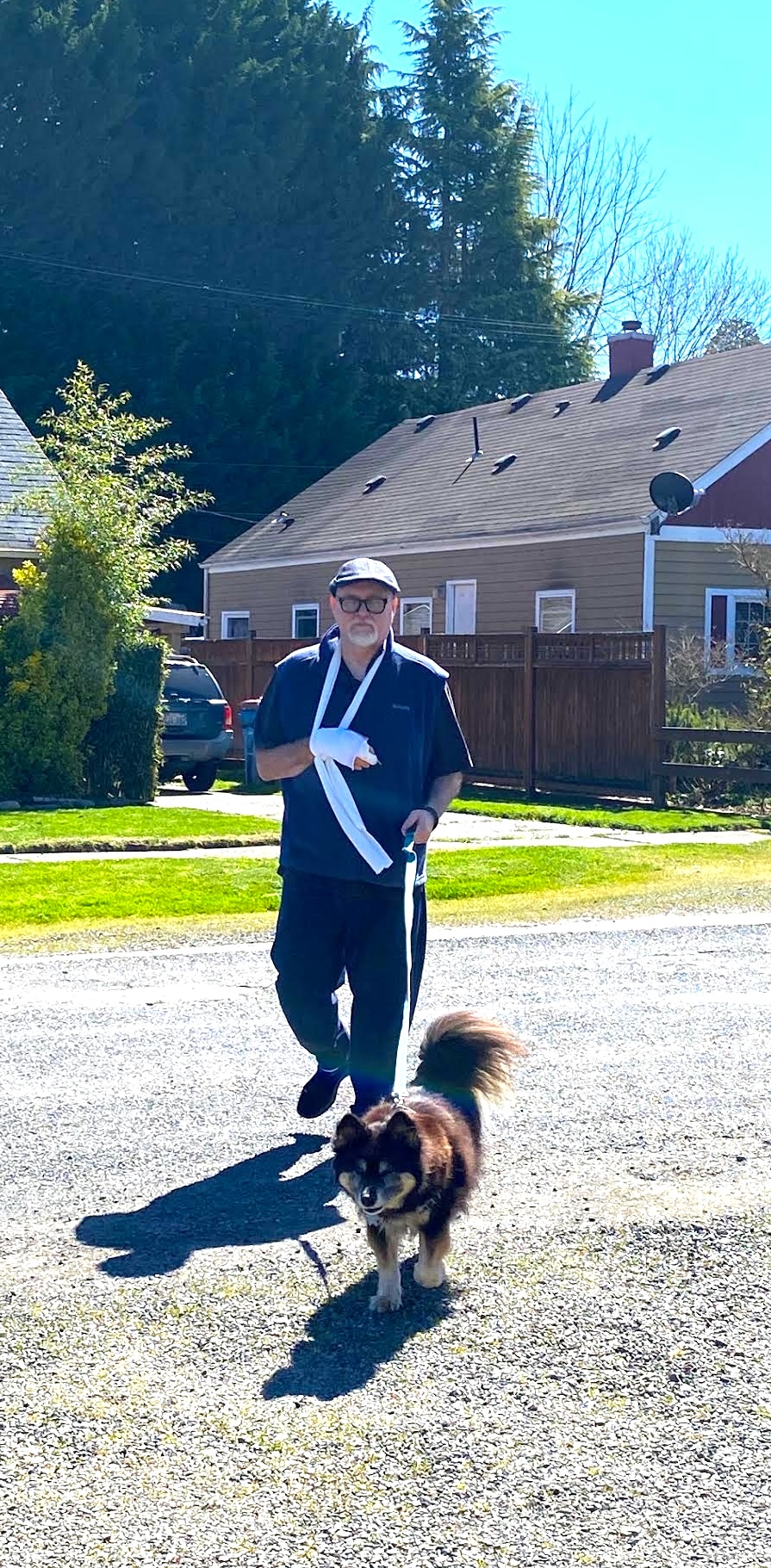
It’s been a week since my surgery and I’m feeling cautiously optimistic.

The hand seems to be healing and there’s no sign of any lingering infection.

I’m grateful for the generous support we’ve received, and all the encouraging messages from family and friends.

It really helps, at times like this, to know that people care.

I’ve been doing my part, following doctor’s orders:

  • taking the antibiotics and pain meds,
  • resting well and sleeping through the night,
  • scheduling follow-up visits and physical/occupational therapy sessions,
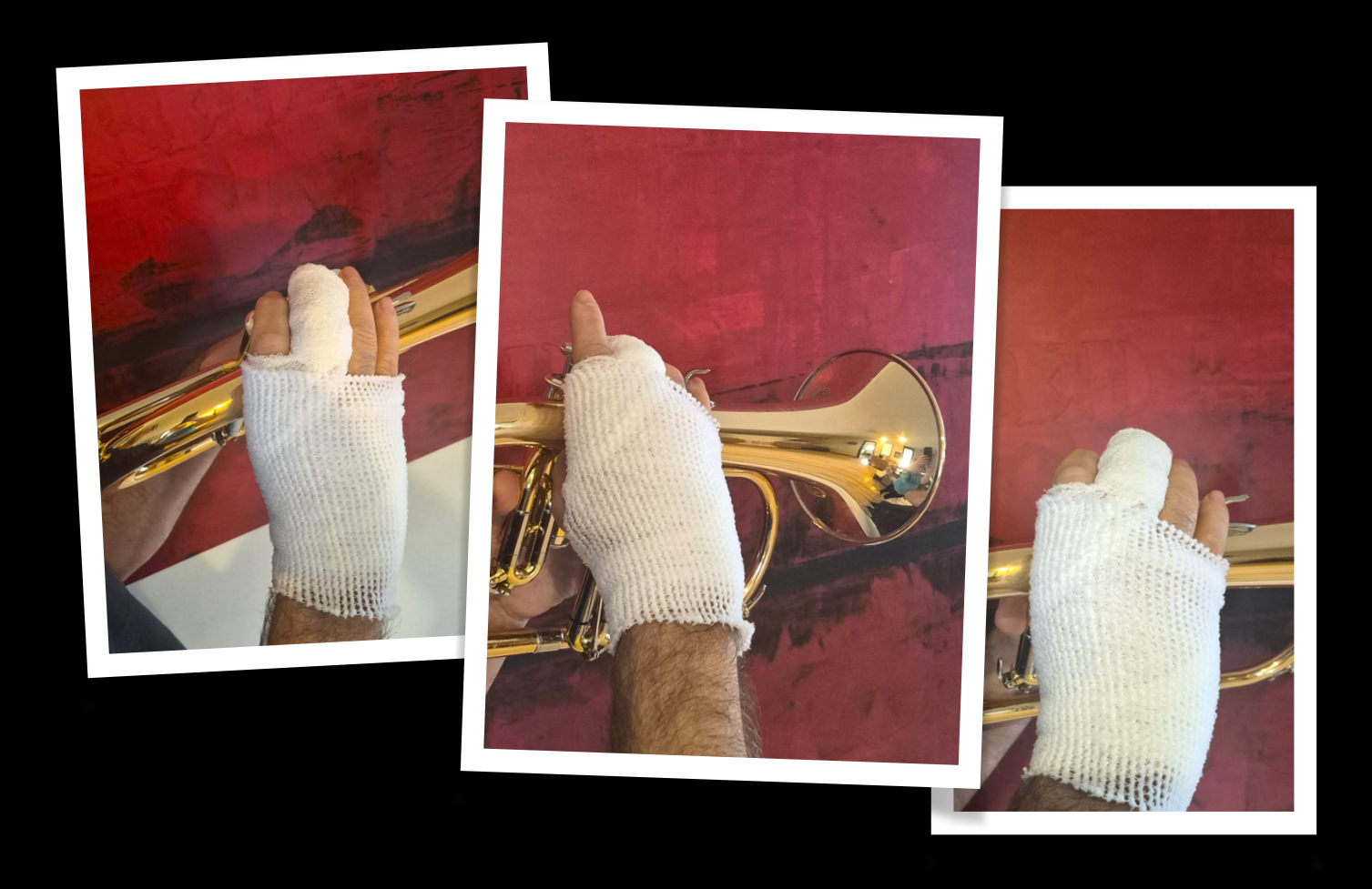
  • keeping the bandaged right hand clean, dry, elevated, and stationery, and
  • learning to use my left hand for literally everything.

Chops-wise, progress is slow.

A week in the hospital without practicing definitely weakened my embouchure, but the flugelhorn and I are becoming friends again.

I started with Donald Duck mouthpiece rudiments (much to Sassy’s delight), then transitioned to lefty long tones and lip slurs on the horn.

The real work begins next Friday. That’s when they’ll remove my stitches and I can start to regain strength and facility in my dominant hand.

I know myself. I’ll be tempted to try and speed things along by playing through the pain, but that would risk further injury.

The experts advise to start slowly, practice for a few minutes, then add 5 additional minutes each day.

The idea is to gradually rebuild endurance and fine motor function until I can play comfortably for a couple of hours.

Then, and only then, can I safely return to work.

I’m determined to get this right.

04/09/2026

  • Leave a comment
  • Share
    PROGRESS REPORT | SLOW & STEADY

    Share link

in Quotes, Encouragement, Motivation, Mindfulness, Dmitri Matheny Memoir, Bidness, Intention, Simplicity, Humility, Restraint, Resourcefulness, Change, Health & Fitness, Scout, Home

SLOW LIVING UPDATE | FEBRUARY 2026 

This is The Year of Slow Living.

The mission is to pace myself and persevere.

February was just right — the perfect balance of work and rest.

We’ve enjoyed the rain this month, ideal for cozy evenings by the fire. Sass is disappointed we haven’t had any snow, but personally, I don’t miss it. Winter driving is no joke, especially over these northwest mountain passes! No snow or hail for me, thanks. But rain? Rain is life.

On show days I endeavor to practice effortless action. Easing into the morning calmly and mindfully, I do what is necessary, one thing at a time. Then I pack up the van and hit the road early, allowing plenty of stress-free travel time. I listen to music and enjoy the drive, remaining alert, taking breaks.

When I arrive early, the performance takes care of itself. Prepare, adapt, enjoy.

We gave our new program a “soft launch” this month on a couple of low pressure gigs, and the results were encouraging. This show is a crowd-pleaser, lively and entertaining, but isn’t overly demanding. The flashy flugel-heavy moments are balanced by opportunities to rest while we feature other members of the band.

These strategic breaks will prove especially important when we play consecutive shows, but I hope to avoid too many back-to-back engagements this year. So far the itinerary looks manageable. We have 81 confirmed gigs, and will accept no more than 100, so we can be selective as new opportunities arise.

On the RA front, I have good days and bad days. The biologic medications are definitely working, and I’m grateful for the functionality and mobility they help to make possible.

Some stiffness and soreness has returned, however, since I went off prednisone. Occasionally I have flares, random periods of pain and brain fog, and I often experience extreme fatigue the day after doing anything strenuous. Recovery days have become mandatory.

When I ask about remission, the rheumatologist reminds me that “this is a marathon, not a sprint.” I dig, but marathons are exhausting. Nevertheless, we move forward.

Today is the first day of March and the beginning of our busy spring season. 

Important to stay on top of things without becoming overwhelmed. 

Slow living is the key. Rise with the sun, tend my garden, play my role. 

Rest. Repeat.

03/01/2026

  • Leave a comment
  • Share
    SLOW LIVING UPDATE | FEBRUARY 2026

    Share link

in Art, Jazz, Encouragement, Motivation, Mindfulness, Oral History, Listening, Dmitri Matheny Group, Dmitri Matheny Memoir, Bidness, Intention, Advocacy, Simplicity, Humility, Rain, Restraint, Resourcefulness, Change, PNW Life, Health & Fitness, Home, Sassypants Poutypuss

SLOW LIVING UPDATE | JANUARY 2026 

I love the month of January, when it’s my custom to take a break from traveling and performing.

January is when I return to myself. I stay home, reflect, recharge, plan, and prepare for the year ahead.

Mornings are spent fireside, writing music, practicing, and scheduling new tours and concert appearances. Afternoons are for puppy walks and errands. Evenings are pure relaxation.

This year I really needed the reset. 2025 was utterly exhausting! I’m determined to do a better job of pacing myself in 2026, which I’ve christened “The Year of Slow Living.”

So far, so good. January 2026 was just what it needed to be: both rejuvenating and productive.

Accomplished month one objectives while maintaining a relaxed, measured, calm and deliberate pace. No stress. Wu-wei.

Visited two doctors, the dentist, and mechanic, prepared most of the quintet arrangements for this season’s show, broke-in my new horn and mouthpiece, adapted to my new RA meds, and confirmed 75 of the 100 gigs we will play this year. Excelsior!

Also caught up on sleep and dreams.

Now it all starts up again.

Ready? Let’s do this.

01/30/2026

  • Leave a comment
  • Share
    SLOW LIVING UPDATE | JANUARY 2026

    Share link

in Art, Jazz, Motivation, Mindfulness, Dmitri Matheny Quotes, Favorites, Dmitri Matheny Group, Dmitri Matheny Memoir, Bidness, Intention, Advocacy, Simplicity, Humility, Restraint, Resourcefulness, Change, PNW Life, Health & Fitness, Scout, Home

RESOLUTIONS 2026 — THE YEAR OF SLOW LIVING 

RESOLUTIONS 2026 — THE YEAR OF SLOW LIVING
I resolve to embrace the slower pace of this stage and season.


Slow down. Take my time. Do things right.

Protect the sanctity of my slow morning routine.

Embrace calm contentment. Reject hustle culture.

Do less of everything! Work less, eat less, spend less.

Be more selective. Say “no, thank you” easily and often.

Simplify! Live frugally. Prepare for retirement. Eliminate debt.

Get plenty of rest. Take naps! Relax. Refresh. Recharge. Rejuvenate.

Favor working close to home. Sleep in my own bed whenever possible.

Schedule 25% fewer shows. Accept no more than 100 bookings throughout the year.

Limit tours outside the region. Seek run-outs and residencies. Build rest days into every trip.

Take it easy on show days. Conserve energy during gigs. Alternate sitting and standing. Take breaks.

Master the art of living with RA. Learn how to better manage pain, inflammation, stiffness, and fatigue.

Spend more time outdoors. Align with circadian and seasonal cycles. Take nature walks. Go fishing.

Preserve mental health. Avoid negative people. Limit consumption of news and social media.

Prioritize gentle exercise: walking, stretching, swimming, chair yoga, tai chi. Motion is lotion.

Downsize! Minimize visual distractions. Declutter, sell, gift, donate.

Stay curious, calm, playful, and — most of all — grateful.

12/24/2025

  • Leave a comment
  • Share
    RESOLUTIONS 2026 — THE YEAR OF SLOW LIVING

    Share link

in Art, Jazz, Encouragement, Motivation, Mindfulness, Oral History, Dmitri Matheny Group, Dmitri Matheny Memoir, Bidness, Intention, Advocacy, Simplicity, Humility, Restraint, Resourcefulness, PNW Life, Health & Fitness, Home

RESOLUTIONS 2025 — THE YEAR OF GRACE & GRATITUDE 

I resolve to maintain a simple, stress-free lifestyle built on gentle, sustainable habits.

1. Physical Health


Drink black coffee, unsweetened tea, and water.

Eat one meal a day, favoring vegetables and protein.

Limit consumption of alcohol, sugar, snacks, dairy.

Prioritize a daily nature walk and afternoon nap.

Stay current with prescription medications.

Visit the doctor and dentist twice annually.

Monitor blood pressure and weight.

Get plenty of quality sleep.


2. Mental Health


Avoid burnout. Say “no thank you” easily and often.

Stay connected. Reach out. Make time for friends and family.

Begin each day with affirmations. End each day with gratitude.

Talk less. No need to complain, explain, or entertain.

Schedule a multi-day solo retreat every 3-4 months.

Curtail consumption of news and social media.

Read. Rest. Sit quietly. Listen to music. Smile.


3. Finances


Practice frugality and minimalism. Limit spending to essentials. Give and receive simple gifts.

Make one money move (deposit, investment, bill payment, debt reduction) each and every day.

Pay off high interest cards and loans. Maintain current accounts. Keep credit utilization below 30%.

Avoid air travel and rental cars. Van-camp whenever possible. Don’t waste money on lodging.

Keep van and horn in good repair. Schedule an inspection before every big road trip.

Maintain OMAD and warrior diet protocols even when traveling.


4. Music / Business


Pace yourself. The hustle-and-grind years are over.

Do less of everything, but more deeply. Make it count.

Cast a wide net. Offer opportunities, follow-up, move on.

Never multi-task. Focus on a single project or tour at a time.

Value efficiency and sustainability over productivity.

Strive for slow, steady, incremental improvement.

Focus on community and collaboration.

Be purposeful, not ambitious.

Stay curious and inspired.

12/26/2024

  • 1 comment
  • Share
    RESOLUTIONS 2025 — THE YEAR OF GRACE & GRATITUDE

    Share link

in Art, Encouragement, Motivation, Mindfulness, Dmitri Matheny Group, Bidness, Intention, Simplicity, Humility, Restraint, Resourcefulness, Change, Love, PNW Life, Health & Fitness

RESOLUTIONS 2024 — THE YEAR OF QUIET CONFIDENCE 


This year I resolve to work smarter, not harder.

I plan to pace myself, take my time, and do things right.

I’ll talk less, walk more, and appreciate every moment.


1. Sustain my daily routine at home.

  • Wake up before sunrise. Walk, stretch, make bed.
  • Handle all business before noon; reserve afternoons for music.
  • Practice flugelhorn long tones and rudiments. Prepare repertoire.
  • Read, study, walk dogs, run errands, and finish chores before daily meal.
  • On gig nights: allow extra time, drive carefully, arrive early, and read my book.
  • On free nights: enjoy television, movies, music, and podcasts.
  • Before bed, put the day up for review and plan tomorrow.
  • Practice deep breathing and mindfulness meditation.
  • Sleep soundly for six hours or more.


2. Make the most of every road trip.

  • Service van and replenish supplies before every tour.
  • Plan ahead. Research each day’s driving route, meal, and nature walk.
  • Drive no more than six hours daily. Rest every two hours.
  • Schedule one (but no more than two) engagements each day.
  • Cut costs to increase margins. Overnight with Harvest Hosts when possible.
  • Maintain personal hygiene and stick to a regular sleep schedule.
  • Recharge devices and handle business each morning.
  • Plan breaks along the way for visits with friends.


3. Prioritize mental well-being.

  • Relax, smile, and laugh. Choose to be in a good mood.
  • Limit exposure to negative people and influences.
  • Watch no more than 30 minutes of daily news.
  • Spend no more than 10 minutes on social media.
  • Get outdoors. Appreciate nature. Play with dogs.
  • Schedule seasonal solitude retreats and staycations. 
  • Make time for real conversations with friends.
  • Be of service. Offer help and follow through.
  • Avoid complaining, even to myself.
  • Stay humble, hopeful, and grateful.
  • Memento mori. Amor fati.


4. Prioritize physical health.

  • Enjoy food and drink in moderation.
  • Limit consumption of caffeine and alcohol.
  • Follow OMAD and Warrior Diet protocols.
  • Visit the doctor and dentist regularly.


5. Maintain financial discipline.

  • Boost contingency fund by 20%.
  • Increase retirement savings by 10%.
  • Pay off 100% of consumer debt.
  • Protect home and credit rating.


6. Shut up and listen!

  • Hold few opinions and express even fewer.
  • Listen more. Speak less. Two ears, one mouth!
  • Remain curious, interested, and open-minded. Become laconic.
  • When possible, try to make the point in one sentence, without preamble.
  • In conversation, pause to think, then choose words carefully before speaking.
  • When performing, settle down. Be a supportive listener, not a cheerleader.
  • Rather than reacting impulsively, respond thoughtfully.

12/30/2023

  • Leave a comment
  • Share
    RESOLUTIONS 2024 — THE YEAR OF QUIET CONFIDENCE

    Share link

in Art, Encouragement, Motivation, Mindfulness, Listening, Dmitri Matheny Group, Bidness, Intention, Advocacy, Simplicity, Humility, Resourcefulness, Love, PNW Life, Health & Fitness

MICHIGAN TOUR | DAYS 13-14 — SHELBY, DEARBORN 

After our thrilling show at the Blue Llama, I drove through the night to the quaint little village of Shelby in western Michigan for a 7 AM workshop. (Pro-tip for night-drivers: staying awake is easy when you’re scream-singing along with Olivia Rodrigo’s “Vampire” at the top of your lungs!) 

The Shelby HS students were brave and bold — everyone improvised! — and their delightful teacher, Erin Ray, even played drums for our session. 

Upon returning to Detroit, I visited the Dearborn HS program under the direction of Brian McCloskey. His jazzers meet even earlier — 6:40 AM — but these kids showed up ready to work!

Back-to-back “zero hours” on opposite sides of the state are no joke for a tired old road dog like me. Nevertheless, I’m grateful for the opportunity to work with such inspiring young students and teachers. Their energy and enthusiasm always seem to replenish the spirit. 

Excelsior!

10/20/2023

  • Leave a comment
  • Share
    MICHIGAN TOUR | DAYS 13-14 — SHELBY, DEARBORN

    Share link

in Art, Jazz, Encouragement, Motivation, Mindfulness, Dmitri Matheny Quotes, Dmitri Matheny Group, Dmitri Matheny Memoir, Bidness, Intention, Advocacy, Interlochen, Humility, Resourcefulness, Health & Fitness

TRAVELOGUE | DAY 17 - EPILOGUE 


117 miles from home, one of my "new" tires came completely apart on The Lonesome Road!

I could see the circular tire tread rolling along the freeway in my rear view mirror, as Ella hobbled over to the side of the road. Fortunately my spare was in good repair and I made it home safely.

Having all the tires checked today, just in case.

#VanLife

09/20/2022

  • 1 comment
  • Share
    TRAVELOGUE | DAY 17 - EPILOGUE

    Share link

in Motivation, Mindfulness, Oral History, Dmitri Matheny Group, Dmitri Matheny Memoir, Bidness, Intention, Humility, Resourcefulness, Grant & Matheny Duo, PNW Life

THE OWL CLUB PART 3 — THE GIFT 

“Open your minds, my friends.
We all fear what we do not understand.”

—Robert Langdon 


Charlie Higgins leads me by the arm into a space entirely unlike the rest of this mysterious fortress. 

The dining room is sunny, warm, and elbow-to-elbow with convivial groups of men in business attire, eating, drinking, talking and laughing.


“This is us,” Charlie says as we approach a corner table where a couple of seated gentlemen rise to greet us. “Let me introduce you to two of the original hep cats, Walt Connor and Will Cooley. Gentlemen, this is Dmitri Matheny.” We all shake hands and sit down together. 

At each place setting a single card embossed with the now familiar OC logo offers a simple selection of steak, seafood, sandwiches, and salads. I’m delighted. Since moving to San Francisco from Boston a few years ago I’ve enjoyed a steady diet of international and vegetarian fare. I’ve even learned to appreciate California cuisine with its requisite avocado, pine nuts and sun-dried tomatoes. But I was raised on American comfort food from cafeterias and diners. This is my kind of menu. 

Nevertheless, I decide to order something I’ve never tried before, a Crab Louie Salad. Based on the name, I’m fairly certain that I will enjoy at least two thirds of it.


Over lunch, Charlie cheerfully embodies his role as table host, guiding the conversation so as to include everyone. In spite of our difference in age (I’m in my late 20s and they’re all in their 60s) we all get along swimmingly. 

Curiously, no one discusses business. Charlie, the candy magnate, talks about his experience as a paratrooper in World War II. Will, a Southern California real estate developer, holds forth about Stan Getz and his involvement in the committee for jazz at Stanford University. Walt, an author and photographer (who may or may not also be heir to a large national department store fortune) speaks with authority about the forgotten history of jazz on the Barbary Coast. I mostly listen, fascinated by these wise old owls. 

As coffee is served, Charlie casually turns the conversation to the unique history and ethos of the Owl Club. Unlike other quote-unquote secret societies and fraternal organizations, Charlie explains, we aren't centered around a particular industry, sport, or school, but a common interest in nature and the arts. 

“Our membership roster includes not only prominent businessmen and CEOs,” Charlie says proudly, “but writers, journalists, military heroes, politicians, global leaders, and many well-known artists and musicians.” 

I'm intrigued. “But no women?”

Charlie smiles. “You know, a hundred twenty years ago when this club was founded, men tended to stay in their unhappy marriages. They needed clubs like this as an escape. Of course these days, if you aren’t happily married, you get a divorce. That’s why so many of our happily married members are now requesting more events to which they can bring their spouses.” 

Taking this as my cue, I pull the glossy jazz festival sponsorship brochure from my breast pocket and lay it on the table. I’m just about to begin my pitch when Charlie interrupts me, raising his hand and saying, “no-no-no, not here.” A red-vested waiter immediately approaches to ask that I “kindly put away the literature.” 

“I’m sorry, I thought …” I stammer, befuddled. 

“We can discuss all that later,” Charlie replies magnanimously. 

At precisely this moment, as if responding to a silent alarm, everyone stands to say their goodbyes. I stand too, shaking hands with Will and Walt, who leave together.

Charlie places his arm around my shoulder and ushers me back through the grand foyer, past the empty bar with its mad jumble of framed art, to the dark alcove where I first entered the building. It looks somehow different to me now. Less off-putting. More cozy.

“What a pleasure,” I say. “Thanks for lunch.” 

“Ah! I almost forgot!” Charlie replies, reaching into his pocket. He retrieves a small box, about 4 inches in diameter, wrapped in white paper. “This is for you.” 

On my way back to the jazz office, I stop by the piano bar at Kuleto’s, my favorite Union Square watering hole. I find a seat by the fireplace and order a bourbon, neat, feeling not unlike a noir detective at the beginning of a perplexing new case. 

I unwrap the mysterious gift box, genuinely curious what I will find inside. 

Perhaps some chocolate truffles from Charlie's candy company? But no.

I place the heavy totem onto the table in front of me and study it.

No card, no explanation.

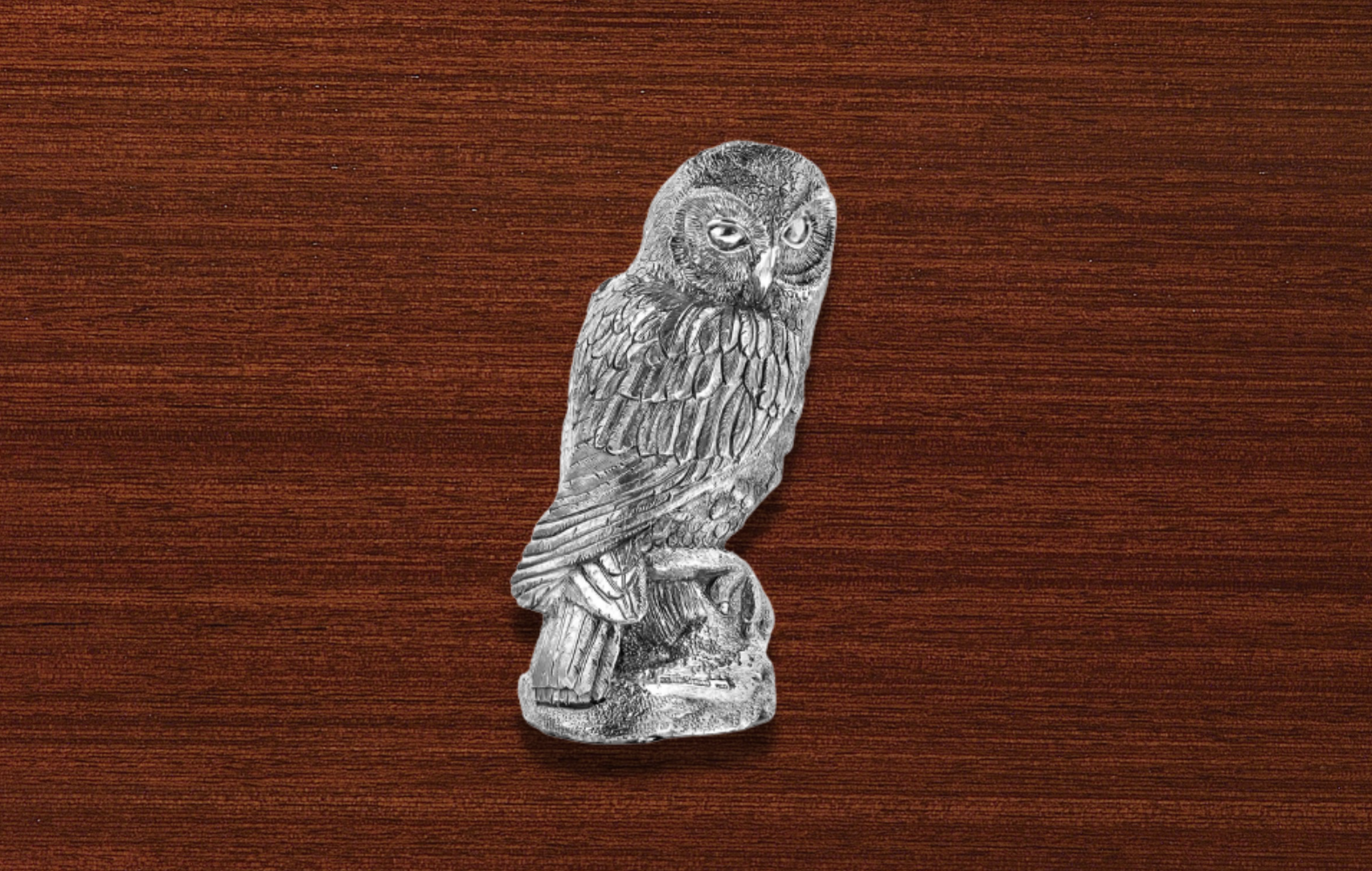
Just a tiny silver owl. 

Next:
THE OWL CLUB PART 4 — SWEETS

02/20/2022

  • Leave a comment
  • Share
    THE OWL CLUB PART 3 — THE GIFT

    Share link

in Art, Pop Culture, Jazz, Quotes, Motivation, Mindfulness, Oral History, Favorites, Listening, Mystery, Esoterica, Memorabilia, Dmitri Matheny Memoir, Bidness, San Francisco, Film, Simplicity, Humility, Owls & Weaving Spiders, Refreshing Beverages, Love

COURSE CORRECTION 

A man’s reach should exceed his grasp, or what’s heaven for? 
—Robert Browning
 

About a year ago I wrote an obituary for my father. 

I sorted through his letters and personal papers, created a list of his educational and professional accomplishments, and attempted to fashion the mercurial vagabond voyage that was his life into some sort of cohesive linear narrative. 

I tried my best, but tributes never quite capture a subject’s true essence. This is especially the case with Daddy Bill, a great man who eschewed all markers of greatness. He didn’t care a whit about fame, gain, or material success. 

The part of his obit that feels 100% right to me is this: 

Throughout his life, Matheny generously shared his love of nature with others,
inspiring many of his students, friends and family members to develop their own
deep appreciation for the natural world. This is his great and lasting legacy. 

That legacy was underscored for me by the many people who reached out personally to tell me what Bill Matheny had meant to them. There’s no question: the man was beloved. He died without property or prestige, but his reach was wide. He will long be remembered as someone who made a positive difference in the lives of others. 

Unlike my Dad, I’ve always been ambitious and more than a little selfish. I knew better than to expect fame or fortune, but all my life I’ve worked harder than most of my contemporaries, powered by “main character syndrome” and the sincere belief that I was on track to become an historically significant artist. 

I now understand that goal to be unrealistic. 

Mind you, I’m a far better musician than I used to be. My new album will be my best, and I’m not done yet! I'll continue to strive for incremental improvement, greater authenticity, and soul. 

But my talents are limited. At age 56, there simply aren’t enough years left for me to join my jazz heroes on Mount Olympus. Instead, I now hope to live up to my father’s simple example of sharing with, and inspiring, others. 

Like the song says, “the greatest thing you’ll ever learn is just to love and be loved in return.”

01/02/2022

  • Leave a comment
  • Share
    COURSE CORRECTION

    Share link

in Art, Jazz, Quotes, Encouragement, Motivation, Mindfulness, Oral History, Role Models/Mentors, Dmitri Matheny Quotes, Listening, Youth, Dmitri Matheny Memoir, Intention, Literature, Poetry/Song Lyrics, Advocacy, Dreams, Simplicity, Humility, Fame & Popularity, Roots, Change, Bill Matheny, Love

2021 BY THE NUMBERS 

Well my friends, it may take several years before we can return to pre-pandemic levels of activity. But little-by-little we’re getting back to business, ever grateful for the clients, customers, friends and fans who sustain us. This year we: 
 

staged 81 concerts and events

welcomed 75 generous album backers

published 50 memoir blog posts 

gave 23 private lessons

conducted 19 workshops 

collected 12 vintage treasures 

recorded 10 songs

headlined 9 festivals 

bottled 8 jars of homemade hot sauce 

completed 7 new compositions 

played 5 live stream shows 

traversed 4 western states 

received 3 doses of DollyVax 

hosted 2 brilliant visiting artists 

rescued 1 precious puppy

and consumed 2197 hours of television (sigh).

Here’s to a happier, healthier, and more productive 2022.

Onward and upward! 

~Dmitri

12/27/2021

  • Leave a comment
  • Share
    2021 BY THE NUMBERS

    Share link

in Pop Culture, Jazz, Encouragement, Motivation, Mindfulness, Dmitri Matheny Memoir, Bidness, Intention, Simplicity, Humility, 12, Resourcefulness, Change, PNW Life, Home, Sassypants Poutypuss

THE SECRET 


When I first met my hero Art Farmer, he was spending half his year at home in Vienna and the other half on tour.

Occasionally concert promoters would pony up for his New York band, but most of the time Art worked with local rhythm sections. Regardless, he hired the best musicians everywhere, and his ensembles never failed to impress.

"How do your groups always sound so good?" I asked him after a knockout performance at Kimball's in San Francisco. "What's the secret?"

"Dmitri, it's simple," he said. "If you find that you're the smartest cat in the room, you're in the wrong room."

10/11/2021

  • Leave a comment
  • Share
    THE SECRET

    Share link

in Jazz, Quotes, Encouragement, Motivation, Mindfulness, Oral History, Role Models/Mentors, Favorites, Listening, ShuHaRi, Dmitri Matheny Memoir, Bidness, San Francisco, Intention, Advocacy, Simplicity, Humility, Resourcefulness, Art Farmer

GENERATIONAL WEALTH 

“What did I know, what did I know 
of love’s austere and lonely offices?
” 
—Robert Hayden 

When the time came for Daddy Bill to move into hospice care, it fell to me to clean out his stark little studio apartment. 

The task didn’t take long. I’d planned to rent a storage unit for his stuff, but this turned out to be entirely unnecessary. In the man’s eighty-something trips around the sun, he only accumulated enough possessions to fill a few small boxes. 

I was amazed. Not by Dad’s extreme minimalism (don’t forget I used to live with the guy), but by the eloquence of the items he deemed precious enough to keep. In his closet was a sleeping bag, camp stove and hand crank portable radio. Everything else was arranged in neat little dust-covered piles around the room. He had an axe, a battered pair of binoculars, an old fly rod, a few books and compact discs, a coffee cup, some framed photographs, a pocket knife, and a small leather pouch. That’s about it. 


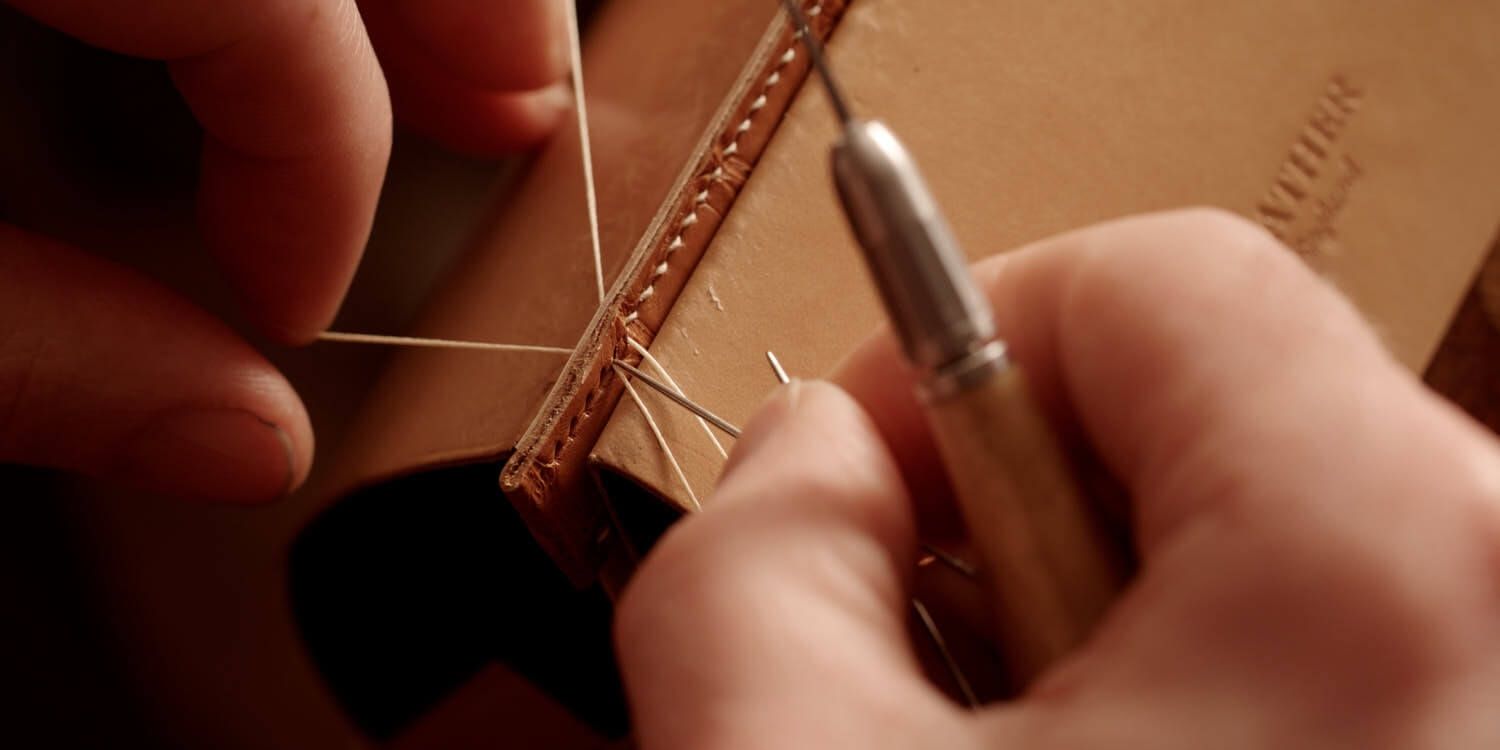
The pouch was empty, but when I opened the drawstring to look inside, the familiar scent of Middleton’s Cherry Blend brought tears to my eyes. I was about nine years old when we last visited the Schley Family Farm in Georgia. I still remember sitting next to Daddy Bill, watching with rapt attention as Dr. Schley used his leather-crafting tools to carefully cut, punch and sew the pouch together. Once finished, he ceremoniously presented the soft little bag to my father, as if it was some kind of totem or talisman imbued with magic powers. The Schleys were important people in the Brookstone community, and Dad treasured this handmade gift. He stored his pipe tobacco in that leather pouch for years. 


In a drawer under the sink I found a mishmash of papers: old bank statements, love letters, canceled checks, poems, his birding “life list” handwritten on a yellow legal pad, and a stack of picture postcards, many of them from me, which had once adorned the thumbtack-covered walls of his Graham County hermit house. Resting on top, like a paperweight, was a small carved wooden sign: White Thorn Gallery. 


As far back as my great-great-grandfather, the Matheny men were all expert craftsmen. Daddy Bill and his brother Jim grew up working alongside their father in the Matheny Cabinet Shop, building and restoring heirloom furniture in mahogany, oak, walnut, cherry, maple and cedar. Almost everyone in our extended family today has at least one precious Matheny antique at home. 

But the only furniture my father owned at the end of his life was a single reclining armchair, purchased for him a few years ago by a generous friend. Everything else had long since been given away. He was funny that way. He gave all our furniture to one of his stepdaughters. He gave our car to my friend Kent. I have no doubt the old man would’ve eventually given that recliner away, too. 

So I followed his example and left that chair behind for the next tenant. I slipped my father’s poetry into my backpack, and boxed up the rest, stacking everything in the corner of Nedra’s garage for safekeeping. 

I suppose I’ll come back for that leather pouch someday. 

And maybe that fishing pole, too. 

I miss you, Daddy Bill.

09/29/2021

  • Leave a comment
  • Share
    GENERATIONAL WEALTH

    Share link

in Art, Jazz, The Desert, Quotes, Motivation, Mindfulness, Oral History, Role Models/Mentors, Dmitri Matheny Quotes, Favorites, Listening, Youth, Memorabilia, Dmitri Matheny Memoir, Intention, Literature, Poetry/Song Lyrics, Simplicity, Humility, Roots, Change, Bill Matheny, The South, Love, Home

HOW WE LIVE 

“The more we share, the more we have.” 
—Leonard Nimoy 


Early autumn, 1972. Rural Alabama. Late afternoon. 

Daddy Bill and I are winding our way home in our muddy station wagon. We’re in high spirits, both of us having just spent several gratifying hours, each in our respective happy place.


Since dawn Dad has been wading through the saltwater marshes of Eufaula Wildlife Refuge, beating back cattails, stepping over gators, peering through his binoculars at shorebirds and raptors. Meanwhile I’ve been hunkering down in the backseat, oblivious to flora and fauna, blissfully engrossed in a new fistful of Green Lanterns, fresh off the spinner. 


I know, I know. Daddy Bill isn’t likely to be voted Parent of the Year anytime soon. He thinks it’s a good idea to leave his seven-year-old kid alone for hours, in a parked car, in the middle of nowhere. But what can I say? This is how we live.

We relish our solitary pursuits then share our stories over catfish and okra at Bram's Diner. Dad holds forth on kingfishers, kestrels, sandpipers and snipes. I recount the latest exploits of hard traveling heroes Ollie and Hal. And so it goes. 

After supper I’m riding shotgun and fiddling with the radio dial as Daddy Bill pilots our wagon homeward. Just before the Georgia line, as Paul Harvey is about to tell us “the rest of the story” -- BAM!  A sudden jolt. A flash of white. The sound of crunching metal. Dad slams on the brakes as we skid along the red clay shoulder of the road. We lurch forward then slam backward again as a waterfall of broken glass cascades around us.


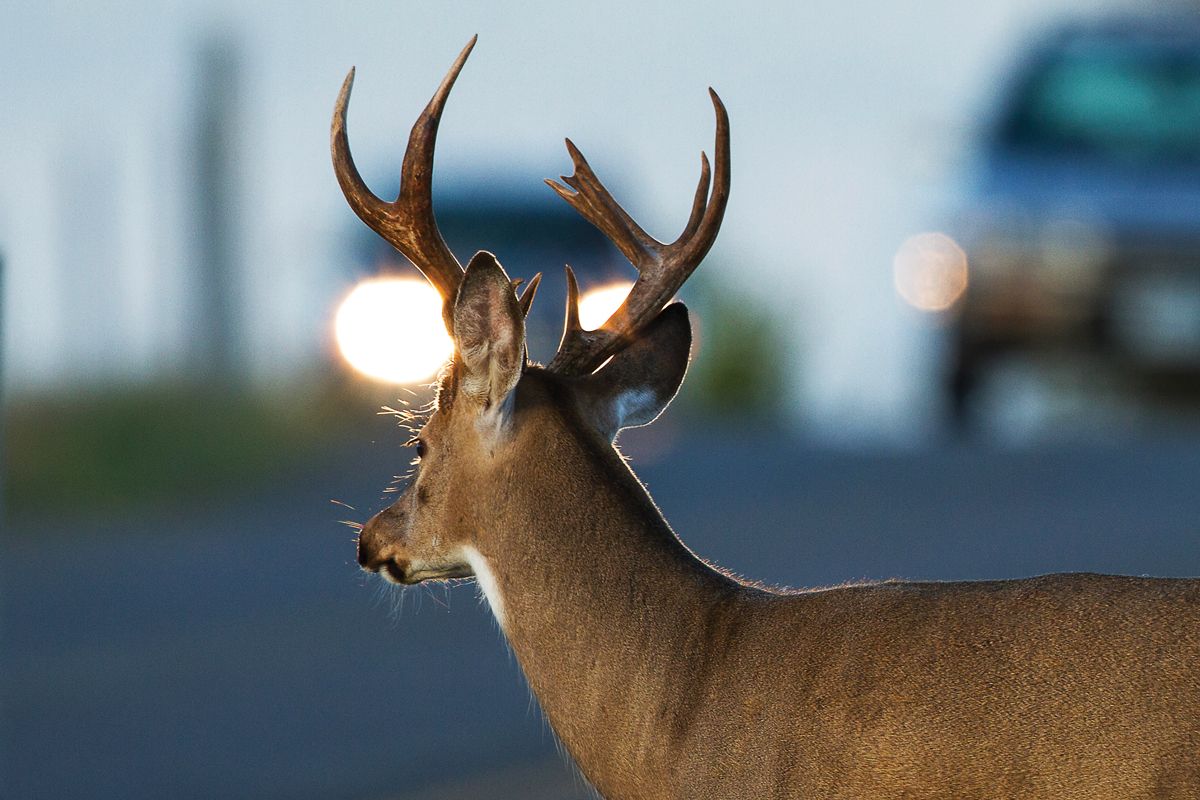
As soon as we tumble out of the car, we see him. There in the road, illuminated by our headlights, is the broken body of a very beautiful, very dead, white-tailed deer. The poor creature must have leapt right into us. 

“You okay?” Daddy Bill asks. 

“I think so.” I reply. “You?” 

“Welp, I guess we’re both better off than he,” Dad says, nodding to the unfortunate young buck. 

“Give me hand, will you?” 

Pulling a tarp from the back of the wagon, we hoist the heavy carcass onto the roof and secure it with rope. Daddy Bill then turns on the emergency flashers and drives -- even more slowly than usual -- to the Columbus home of Coach Rutland. “Jim’s a hunter,” Dad explains. “He’ll know what to do.” 

A few days later at Brookstone School, Mrs. Simmons calls to me in her sweet southern drawl. 

“Deh-MAY-tray! What are you chewin’ back there?” 

“Venison jerky, ma’am,” I confess. 


“Bless your heart,” she smiles, “but it’s not polite to eat venison jerky in class unless you’ve brought enough to share with everybody.” 

Fortunately I have plenty! More than enough to feed the multitude. 

Roadkill. Sharing is caring.
 

09/24/2021

  • Leave a comment
  • Share
    HOW WE LIVE

    Share link

in Pop Culture, Quotes, Motivation, Mindfulness, Oral History, Dmitri Matheny Quotes, Favorites, Youth, Dmitri Matheny Memoir, Intention, Superheroes, Simplicity, Humility, Roots, Resourcefulness, Bill Matheny, The South, Love, Health & Fitness, Home

KINKAKU-JI 

“The foundation of any national character is human nature.”
―Vasily Grossman
 

Of all the many magical places I’ve encountered in my travels, Kinkaku-ji, Kyoto’s Temple of the Golden Pavilion, is one of the most magnificent. Set in a classical strolling garden by a reflective pond, the temple’s design is strikingly opulent yet perfectly integrated into the surrounding landscape. 


Although I’ve only visited the historic world heritage site twice, I return so often in mind and memory that it has become comfortingly familiar. For me, this temple achieves what the great cathedrals of Europe do not. Instead of making one feel small and insignificant, Kinkaku-ji inspires a profound feeling of gratitude and connection to the natural world, inviting contemplation of one’s own role in the cosmos. As above, so below. 

Kinkaku-ji is a wonder of architecture and aesthetics. Each section of the three-story structure represents a different historical period and point of view. The first level, named Chamber of Dharma Waters, is rendered in the natural wood and white paneled shinden style of eleventh century imperial aristocracy, with verandas and open areas that bring the outdoors inside. The second story, called Tower of Sound Waves, is built in the tenth century manner of samurai warriors, with sliding doors and mullioned windows intended to convey evanescence. The top floor, Cupola of the Ultimate, is constructed in the twelfth century zen style suggesting meditation and spiritual insight. The top two levels are completely covered in shining gold leaf. Taken collectively, this singular architectural marvel confers both respect for nature and an awareness of the fragile, fleeting nature of existence. 

But it’s the luminous golden reflection of the temple on the surface of the pond that I find most compelling. The image remains constant as the seasons change. Even before you view the relics and treasures within, the building’s exterior design eloquently communicates the Japanese ideals of shokunin (craftsmanship, pursuit of perfection), wabi (understated elegance), sabi (the beauty of impermanence), yugen (mystery, grace) and ma (negative space, emptiness, and silence). 

Kinkaku-ji is a truly remarkable place. It’s also where I learned a valuable lesson about the absurdity of stereotypes and the gentle power of humor. 

A light rain was falling as I quietly admired the temple with my new friend Masa, an expert on buddhist culture who also happens to be the husband of a favorite visual artist), when our silent contemplation was suddenly interrupted by a boisterous busload of Japanese tourists. They tumbled out of the bus, photographers all, and immediately began to laugh and shout as they joyfully took pictures of one another on the temple grounds. 

I was offended by what I perceived as an inappropriate and unwelcome assault on my reverie. Kinkaku-ji is a sacred place! They should know better, I thought. But when I looked to my guide he was grinning ear-to-ear, delighted with their arrival. I wondered how he could remain so cheerful in the face of this intrusion.

“You don’t find them rude?” I asked, as yet another cluster of giggling girls pushed past us to pose in front of the temple. They squealed gleefully and flashed peace signs as their male companions snapped photo after photo.

“This is a happy place,” Masa explained, smiling benevolently. “Why shouldn’t they be happy?” 

Of course he’s right, I realized. Embarrassed by my own foolishness, I tried to make a joke. 

“Hey Masa, you’re Japanese. Where’s your camera?” 

He replied without hesitation.

“Well, you’re American...where’s your gun?”  

09/20/2021

  • Leave a comment
  • Share
    KINKAKU-JI

    Share link

in Art, Quotes, Encouragement, Motivation, Mindfulness, Oral History, Role Models/Mentors, Dmitri Matheny Quotes, Favorites, Mystery, Esoterica, Dmitri Matheny Memoir, Intention, Advocacy, Simplicity, Humility, Rain, Restraint, Japanese Culture, Change, Love

MEETING LELA | PART 6 — GIFTS 

“All of us labor in webs spun
long before we were born.” 

—William Faulkner


The next morning I asked Lela the question that had kept me awake most of the night. “Same repertoire? What did you mean by that?” 

She smiled. “Well, you played Stormy Weather, My One And Only Love, and I’m Beginning To See The Light ... I did all those same tunes!” 

“What do you mean, you did those tunes?” I asked. “When? How? Where?” 

Her face registered genuine surprise. “You knew I was a singer, didn’t you?” 

“No, ma’am. I mean, I found some pictures of you in high school,” I stammered, “you know, singing musical theater stuff, but…” 

“Oh, honey! I was a jazz singer! Your father used to come to my gigs. That’s how we met!” she laughed. “Where did you think your gifts came from?” 

You could have knocked me over with a feather. 

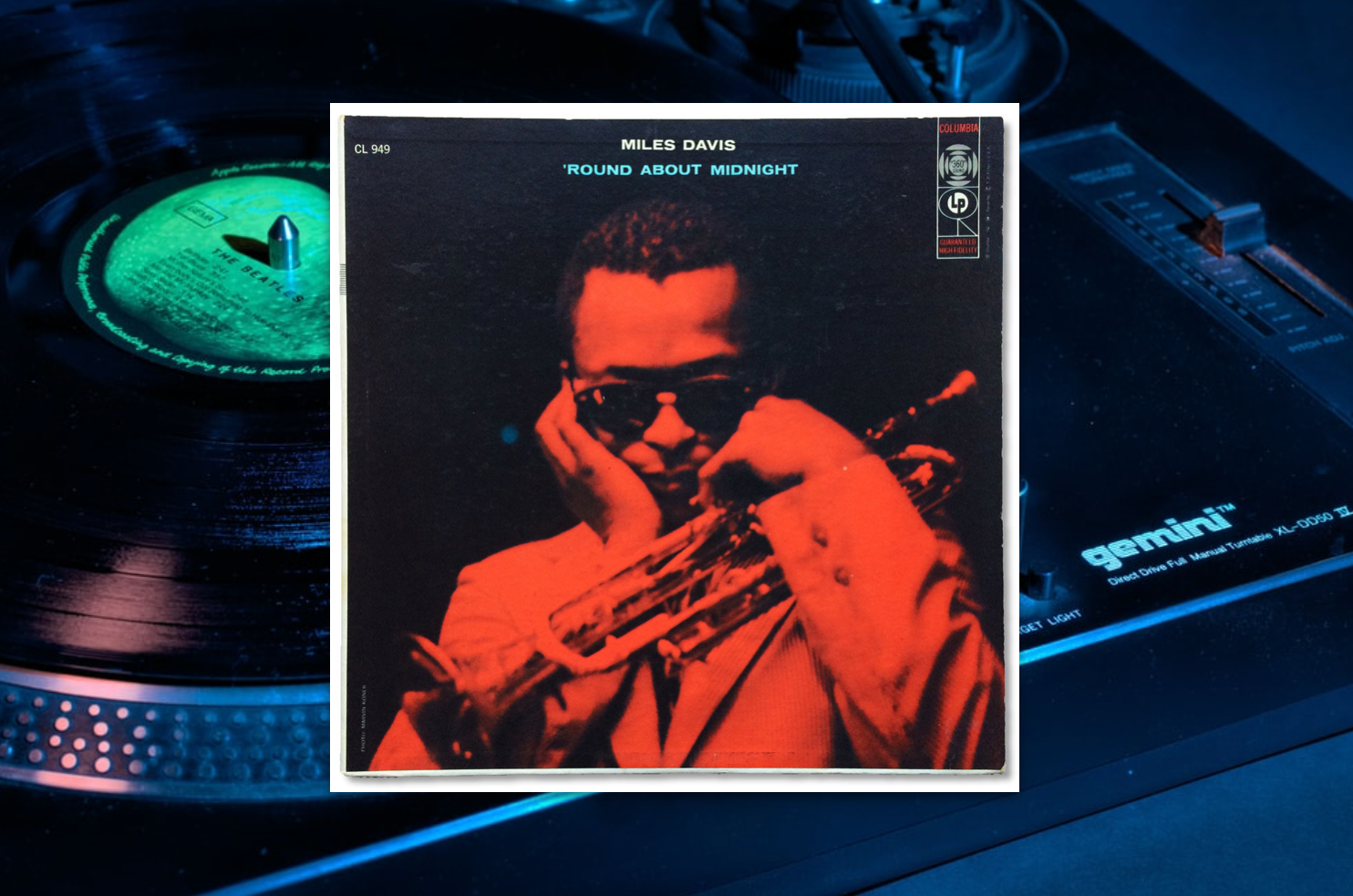
“Lela, honestly, I always figured it was Dad’s record collection that set me on this path. Sketches of Spain, Round About Midnight, Kind of Blue…” 

“Ooh, that’s just like him!” she interrupted, shaking her head. “First of all, those were my Miles Davis records.” She paused a moment. “He never told you? Really?” 


Nope. He told me you were crazy. He said you were a criminal. He said you “ran off in the middle of the night” and told me we were better off without you. But no, he never once mentioned anything about you singing jazz. 

Was it even true? Or was this just another of Lela’s tall tales? 

I was determined to find out. After she returned home to the midwest, I drove out to Daddy Bill's Hermit House to see if I could verify her story. I was a man on a mission. The three-hour drive through the Lonesome Desert gave me plenty of time to consider how I might broach the subject with my old man.

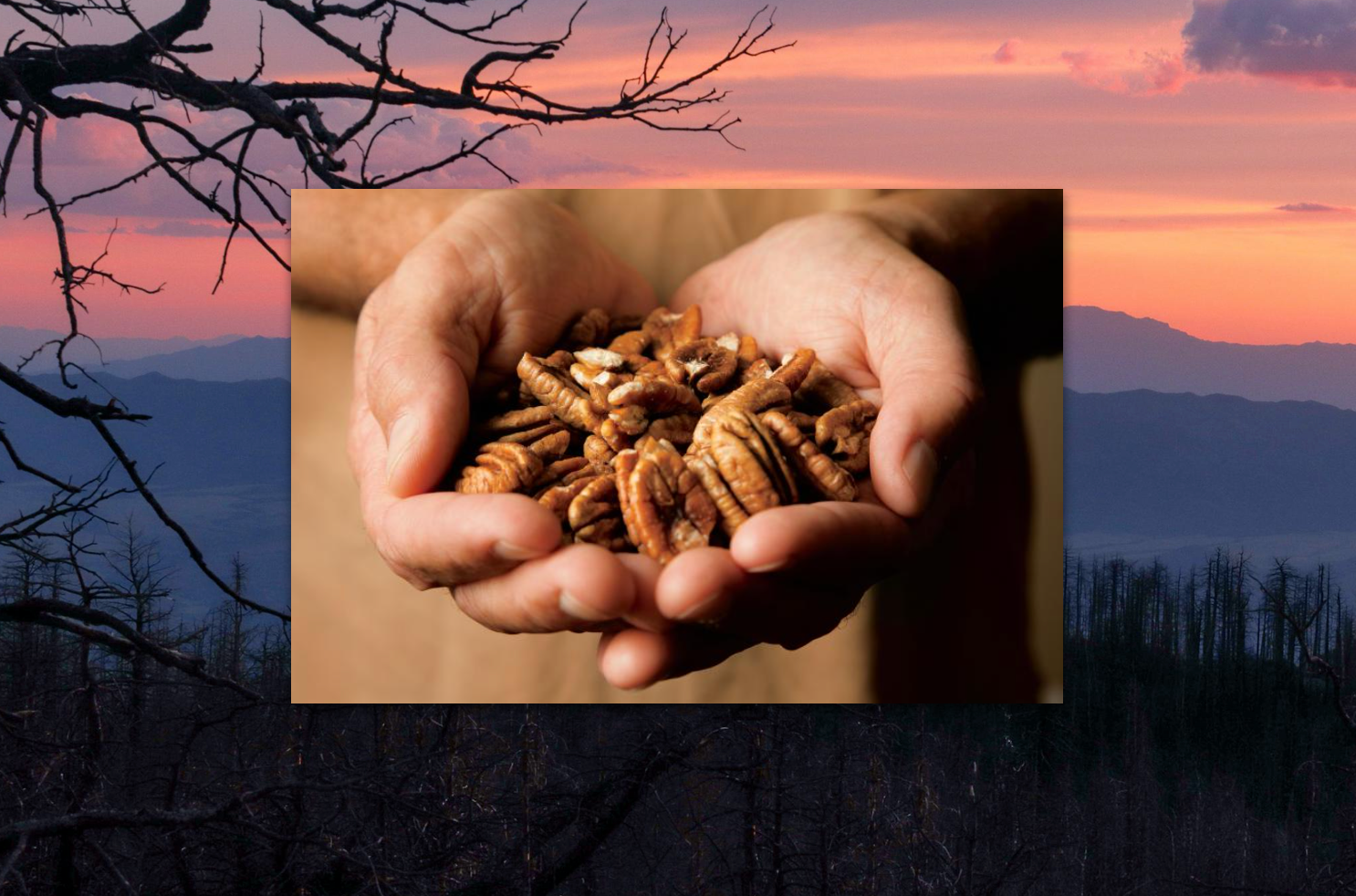
I arrived in the late afternoon to find him hunched over a bucket on his front porch, methodically shelling and cracking pecans with his blistered, blackened fingers. Pecan trees grew wild in the scrubby chaparral of Graham County. It had become Dad’s habit to harvest the nuts each autumn and gift large bags of them to family and friends during the winter holidays. I admired his resourcefulness.

“Hey Bub!” Daddy Bill greeted me cheerily. “You’re just in time.” 

He handed me a Sam Adams from the cooler. “Don't tell the Mormons,” he said with a wink.

Another glorious Arizona sunset.


“So. Dad. How did it feel to see Lela again after all these years?” 

He gazed thoughtfully into the distance. “Welp. She got old.” 

“You and I aren’t getting any younger either,” I laughed. “Anyway, did y’all have a good talk at the concert?” 

“She did most of the talking,” he said, adding “you know how she is.” He kicked a pile of pecan shells off the porch.

“Right. Listen, Dad. Lela told me she used to be a jazz singer.” 

My father rolled his eyes. “Aww, she was what we used to call a torch singer. But that was a long time ago. Before you were born.” 

“So it’s true?” I asked, astonished. “You didn't think your son -- the musician -- might want to know about that?” 

“Why would you care?” he said dismissively. “She wasn’t a big deal or anything. She just sang in nightclubs with her little combo.” 

Unbelievable. 

“Dad…what exactly do you think I do for a living?” 

MEETING LELA
Part 1 — The Frosty Frog
Part 2 — Chattanooga
Part 3 — Adventureland
Part 4 — America McGee
Part 5 — Under The Stars
Part 6 — Gifts
Part 7 — Biscuits & Gravy

09/07/2021

  • Leave a comment
  • Share
    MEETING LELA | PART 6 — GIFTS

    Share link

in Art, Jazz, The Desert, Quotes, Motivation, Mindfulness, Oral History, Dmitri Matheny Quotes, Favorites, Listening, Mystery, Dmitri Matheny Group, Youth, Dmitri Matheny Memoir, Intention, Literature, Humility, Roots, Resourcefulness, Change, Bill Matheny, The South, Refreshing Beverages, Love, Home

MEETING LELA | PART 1 — THE FROSTY FROG 

“Sometimes I feel like a motherless child, 
a long, long way from home.” 

—Traditional 


When I was a kid in Tennessee and Georgia I knew very little about my mother. 

I knew her name. “Lela Matheny” was written in ballpoint pen on the inside cover of all our books. I knew she was a talented artist, too. We had several of her framed oil paintings hanging on our walls. And I knew she was movie-star beautiful. Although Dad was reluctant to speak of Lela, he did give me a single photo of her which I treasured and kept hidden away in a drawer. 
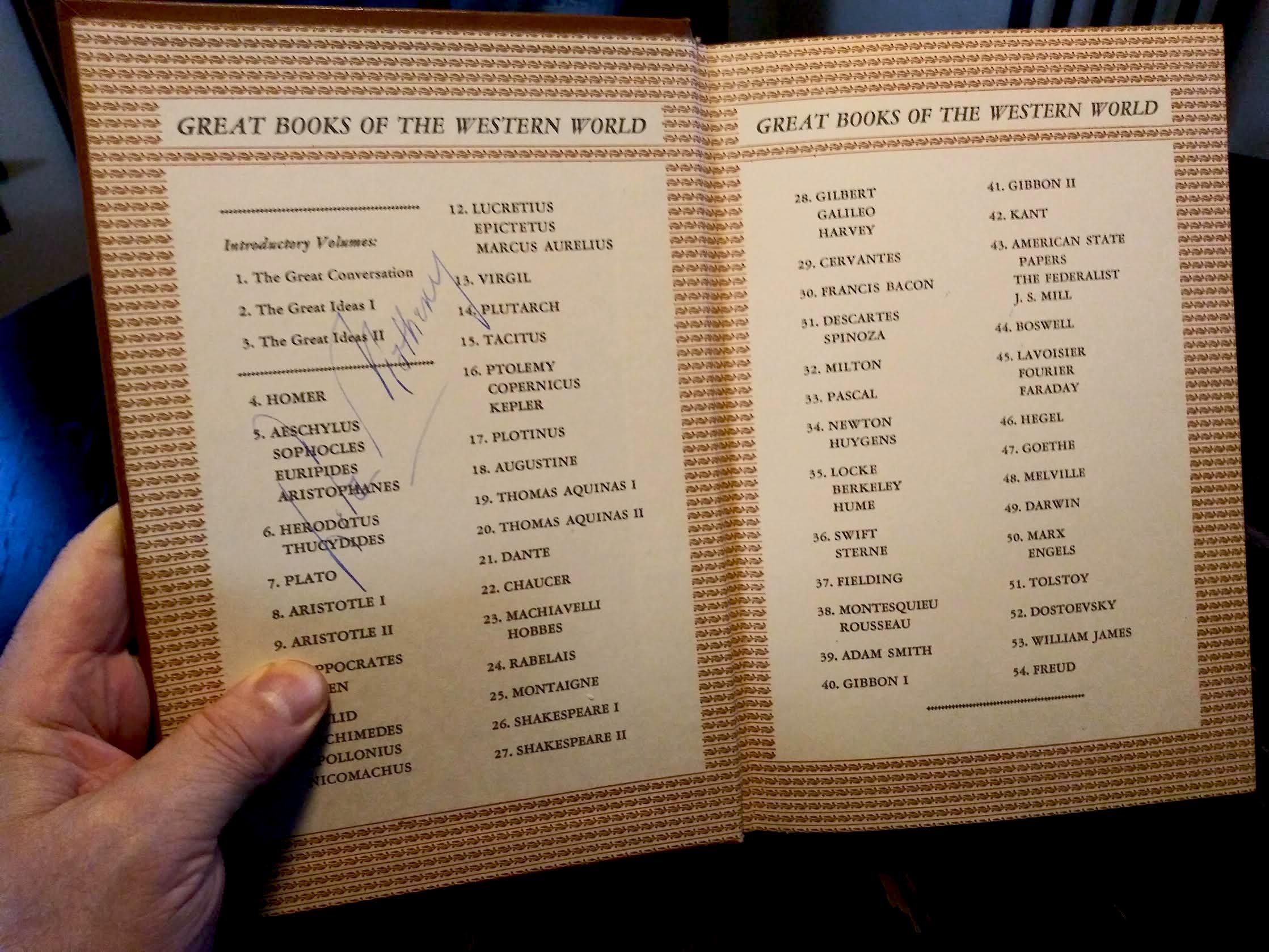
“Lela Matheny” was written in ballpoint pen on the inside cover of all our books.

The only other thing I knew about Lela was that she broke my father’s heart. 

“Shortly after you were born,” Dad explained, “Lela ran off with her lover in the middle of the night. They took my car and went to Mexico. Lela got herself a Mexican divorce and a Mexican marriage to the other guy. As far as I know, they’re still together.” He would repeat this story many times over the years, always emphasizing the words “Mexican divorce” and “Mexican marriage” as if that particular detail somehow signified illegitimacy or proved how unjustly he’d been treated. 

If I felt any sadness over losing Lela I certainly wasn’t aware of it. I didn’t remember her, so how could I miss her? I was a happy kid with a loving father and a revolving door of kind female caregivers. But I was understandably curious about the woman who gave birth to me. I wondered where she was, why she left, what her life was like now. 

Whenever I asked my Dad these things, he would repeat his “Lela ran off” refrain, and would shut down any follow-up questions with “Aw, you don’t want to know about her! She’s crazy!” 
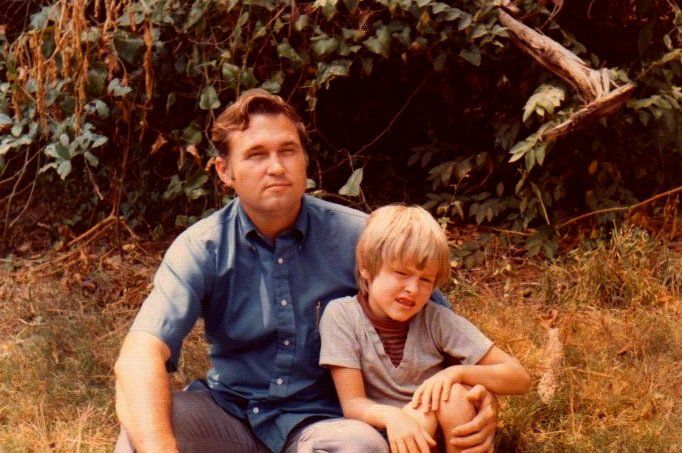
 

I was understandably curious about the woman who gave birth to me.


As far as I knew our only contact with Lela was the birthday card I received each year at Christmas. There were never any messages inside, just “Love, Lela” in the same familiar handwriting. There were never any return addresses on the envelopes, either, but I always noticed the postmarks. Each year the card would arrive from a different place: Key West, Seattle, New York, Santa Fe, Ann Arbor. 

“Looks like Lela’s in Bozeman, Montana,” I said to Daddy Bill after my thirteenth birthday. “Why do you suppose she moves around so much?” 

I expected his customary evasiveness, but this time the old man surprised me. “Son, you’re old enough to know that your mother’s husband is a federal criminal,” Dad said soberly. “They have to keep moving because they’re on the lam. Tom is wanted by the feds.” 

“No kidding?” I asked. “What did he do?” 

“Mail order fraud,” Dad replied. “He sells fake chinchilla furs or somesuch.” 

I had no clue what a chinchilla was, but the notion that half my DNA might come from a mysterious, beautiful, crazy, vagabond artist/criminal? The idea intrigued me. I needed to meet this person.
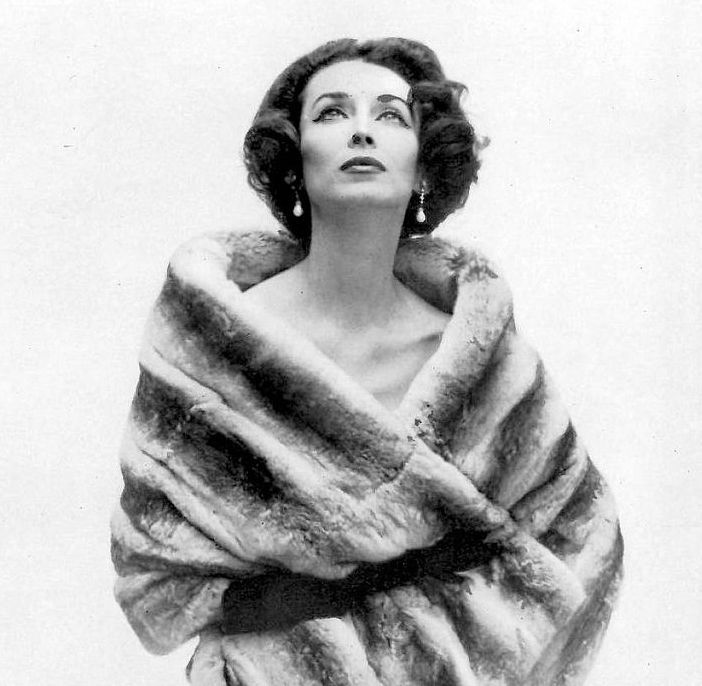
"He sells fake chinchilla furs or somesuch."

It’s the summer of 1979 in Tucson, Arizona, and I’m living it up in our new Catalina Foothills apartment. Dad is teaching summer school so I have my run of the place. I get to sleep late and have friends over. We do whatever we want, when we want, free from adult supervision.

Our activities are fairly harmless: we crank up the air conditioner, make giant Dagwood sandwiches, drink gallons of sun tea, and watch creature features on the tube. We listen to records in the Den of Iniquity. Sometimes we ride our bikes down to the Circle K for Mad magazines and microwave burritos, or head over to the Coronado clubhouse to play air hockey and gawk at the high school girls sunning themselves by the pool. 

Any self-esteem I lost at Marana has been fully replenished. I now have friends, freedom and, thanks to my paperboy job, plenty of spending money. As if I needed any additional ego boost, they’ve been saying my name on the radio lately (“trumpet solo by Dmitri Matheny”) because I’m playing the mariachi classic “La Paloma” in the Fiesta de los Niños at El Con Mall. I feel special again for the first time since we left Brookstone. 

 

I’m playing the mariachi classic “La Paloma” in the Fiesta de los Niños at El Con Mall.


It’s mid-morning when the phone rings in our dark apartment. I shuffle into the kitchen and wipe the sleep from my eyes as I lift the receiver. What have I won this time? 

“Dmitri?” says an unfamiliar female voice. “This is Lela.” 

“Lela like my mother Lela?” I ask. 

“That’s me,” she says. “How are you?” 

“Surprised,” I reply.

“Listen, I’m in Tucson,” she says. “I live here. What are you up to today?” 

“Nothin’ much,” I reply, bewildered. 

“Would you like to go with me to the art museum?” 

Half an hour later I answer the door and there she is, the pretty lady from the photo, looking not unlike Suzanne Pleshette in her high-collared lime green pantsuit, white silk scarf, and oversized sunglasses. I lock up the apartment, follow to her car, and slide into the passenger seat next to her. I can’t believe she’s really here. 

Unlike my taciturn father, Lela turns out to be an absolute chatterbox. She talks nonstop as we walk through the museum galleries, jumping randomly from one non sequitur to the next, dramatically whispering then laughing loudly, dropping names I don’t know, passionately offering her opinion on every exhibit. The words tumble out of her but I barely comprehend their meaning. I’m too preoccupied with studying her every move and mannerism. Do I take after Lela? She strikes me as stylish and sophisticated, yet insecure and more than a little phony.  

After the museum we walk across the street to a frozen yogurt shop called the Frosty Frog. Lela orders a mint chip froyo to match the vivid green of her outfit, then lights a long slender cigarette, all the while babbling like the giddy guest on a late night talk show. Something in her affect makes me feel diminished, as if I’m merely a spectator in the movie of her life. It’s only at this moment, looking across the table at her, that I’m finally able to accept the reality of this surreal afternoon. 

So this is my mother. 

Lela orders a mint chip froyo to match the vivid green of her outfit.

When Daddy Bill gets home from work he finds me sitting silently in the living room. 

“How was your day, Bub?” he asks. 

“Well Dad,” I reply, “I think you ought to sit down for this.” 

In my memory the revelation that I’d spent the day with my bio-mom was a complete surprise to Daddy Bill. He didn’t mind that we'd met, but he seemed genuinely shocked to learn that Lela was in Tucson, and mystified by how she got our phone number. In hindsight I suspect he knew more than he let on. When it came to Lela, Dad played his cards very close to the vest. 

I rode my bike over to Lela and Tom’s place several times that summer. Their condo was modest, even smaller than our apartment, but it was brand new, adjacent to a magnificent golf course, and furnished with midcentury modern Scandinavian decor that looked like something you’d see in the pages of a high-end design catalog. 

Lela's husband Tom was an overly tan charmer with “trust me” eyes and a full head of gray-blond Banacek hair. He wore polo shirts and khakis, told silly jokes, brandished a fat bankroll, and flashed blindingly white teeth whenever he smiled, which was often. He spent most of his time either on the phone or on the links. 

“What exactly does Tom do for a living?” I asked Lela, thinking of the chinchillas and whatnot. 

“Oh, this and that,” Lela said with a dismissive wave of the hand. “Tom’s what’s known as an entrepreneur.”

It was the first time I’d ever heard the word. To this day when anyone uses it I think of Tom and his Cheshire Cat grin. 

I expected Dad’s reunion with his ex-wife, and the man she left him for, to be awkward, but the three of them got along just fine. They reclined in their chaise lounges, swilling gin cocktails and playing “remember when” like old friends. Later when we all went to dinner together at La Fuente, the mood was entirely convivial, or so it seemed to me. 

On one occasion Dad invited Tom over to play tennis while Lela stayed behind to give me a painting lesson. I still remember how she taught me to use complementary colors for the shadows, and the way she demonstrated the proper technique for washing a paint brush by making small soapy circles in the palm of my hand. 
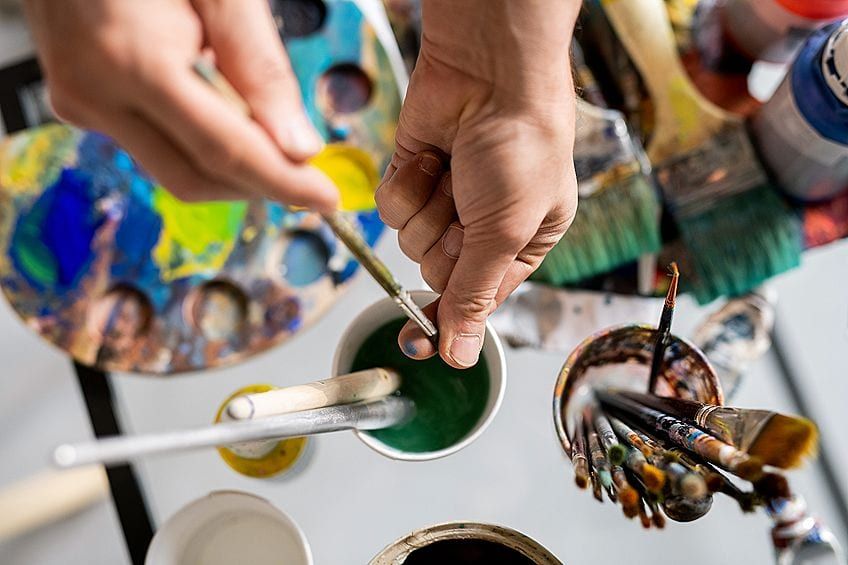
Dad invited Tom over to play tennis while Lela stayed behind to give me a painting lesson.

I tried to engage Lela in meaningful conversation but quickly learned that she had no interest in being real with me. Having grown up in the south I'm no stranger to tall tales, but Lela was a full-on fabulist. She seemed incapable of giving a straight answer.

A simple query like “do I have any brothers or sisters” prompted a hyperbolic description of her own brother, a strikingly handsome, independently wealthy, eccentric genius, more clairvoyant than Edgar Cayce, who lives in a mansion and invents rockets for a secret government agency. Ahem. 

When asked about her childhood, Lela launched into a series of Bunyanesque tales about a magical, mythical Cherokee ancestor named “America” who married a Scotsman named “McGee” to become “America McGee.” Each story was more outlandish than the previous, but none shed any light on Lela’s actual life.

Lela delivered these far-fetched family fables with earnest enthusiasm, oblivious to how ridiculous they sounded. Eventually I stopped asking questions altogether and just surrendered myself to her whimsy. 

We saw each other several times that summer but she never gave up any credible intel. Nor did she seem interested in learning anything about my life or thoughts or feelings. I learned what I could about Lela through observation alone. 

In late summer Daddy Bill and I were sharing a bag of Fritos and watching 60 Minutes when he put his hand on my shoulder and said, “I’m glad you’ve enjoyed getting to know Lela and Tom, but you’d better prepare yourself, son. At some point they’ll disappear again, probably without warning. I don’t want you to get your feelings hurt.” 

Dad was right. A few days later Tom’s name appeared in an Arizona Daily Star article about interstate commerce irregularities. I called the condo and, sure enough, the number was disconnected. I rode over on my bike and, no surprise, the place was empty. 

It would be another 23 years before I would meet Lela again. 
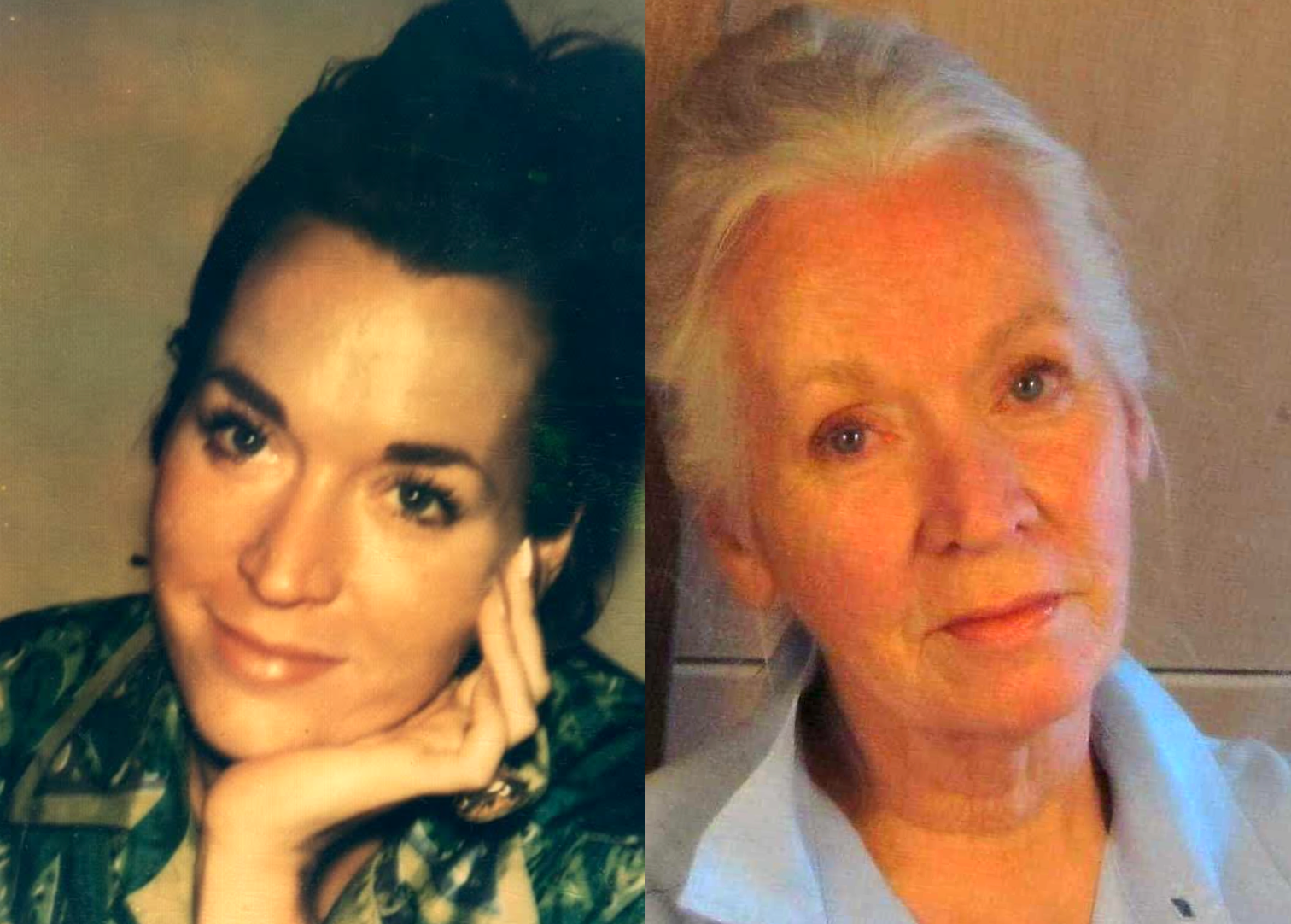
Lela in 1965 (L) when I was born, and in 2002 (R) when I met her the second time.


MEETING LELA
Part 1 — The Frosty Frog
Part 2 — Chattanooga
Part 3 — Adventureland
Part 4 — America McGee
Part 5 — Under The Stars
Part 6 — Gifts
Part 7 — Biscuits & Gravy

07/24/2021

  • Leave a comment
  • Share
    MEETING LELA | PART 1 — THE FROSTY FROG

    Share link

in Art, Pop Culture, The Desert, Quotes, Oral History, Dmitri Matheny Quotes, Mystery, Youth, Dmitri Matheny Memoir, Intention, Literature, Poetry/Song Lyrics, Humility, Roots, Resourcefulness, Change, Bill Matheny, The South, Refreshing Beverages, Love, Home

SNAPSHOTS | PART 4 — CHUBASCO 

“Your vibe attracts your tribe.” 
—Anthony Bourdain 

“We go back like car seats.” 
—Harry Bosch
 

It can’t be an easy thing to raise a son. 

It’s a balancing act. To help him find his way in life while also allowing him the freedom to fail. To provide advantages and opportunities without coddling or spoiling him. To encourage excellence without setting unrealistic standards. To teach him both self-confidence and humility. To know when to protect him, when to counsel him, and when to let him face adversity alone. To balance his needs with your own. 

My father did his best. In 1978 when he decided to relocate us to Arizona, he had his reasons. He was heartbroken, depressed, and needed a change. The move proved troublesome for me, but I don’t begrudge Dad needing to prioritize his own mental and emotional health. It was never his intention to sabotage my education or put me in harm’s way. Kids are resilient. He knew I would adapt. 

It didn’t take Daddy Bill long, however, to realize that Marana was no place for either of us. He loved to teach but was spending most of his time enforcing classroom rules and trying to maintain order. I loved to learn but none of my classes were interesting, and I was always on guard, looking over my shoulder for the next attack.

Dad resolved to seek employment elsewhere as soon as his contract was up, and promised he would find a better school for me in Tucson the following year. In the meantime it was my job to survive seventh grade at Marana Junior High. 

Fortunately, life got easier for me at Marana. There was still plenty of student-on-student violence but somehow I was no longer a target. Is it because I carried myself differently after I’d learned a few moves? Possibly, but the more likely explanation is that I was spared because I finally made the right friends. 

I met Jack in Reading class (no joke, the class was called “reading”), and we hit it off immediately. Jack was different from the other kids. Like me, he was a displaced southerner (his family came from Virginia) with an artistic bent and diverse interests. He was smart, articulate, creative, and funny as hell. He was also an excellent writer. In fact, the only time I ever got in trouble at Marana, it wasn’t for fighting, but for laughing at one of Jack’s hilarious short stories. 


Jack was smart, articulate, creative, and funny as hell.


“Settle down, Dmitri,” said Mrs. Woods. 

“Yes, ma’am,” I replied. 

“Don’t back-talk me! You go to the principal’s office right now!” she demanded. 

I told Principal Dewey that Mrs. Woods had misinterpreted my sincere polite response as sarcasm. “It’s how I was raised,” I explained. “At my old school in Georgia, you’d get in trouble if you didn’t say yes ma’am.” 

“Well, you’re here now. Lose that habit,” he said. “And I still have to give you detention for disrupting class.” 

“Yes, sir,” I replied, true to my roots. 

A few days later my new friend Jack introduced me to his pal Bennie, a charismatic football player with a winning smile and a terrific sense of humor. Bennie had cracked the code on how to flirt, too, and all the girls giggled whenever he was around. Ben’s upbeat attitude was infectious. I liked him right away and the three of us soon became fast friends. It didn’t surprise me at all when I later found out my new companions also happened to be Dad’s favorite English Lit students. 


Bennie’s upbeat attitude was infectious.


No fights found me after I started hanging out with Bennie and Jack. In a school where sports participation is one of the only real forms of social currency, the two of them were well-liked student athletes. They seemed to get along with everybody, even the so-called bad kids. I must have benefitted by association. Plus, Jack was taller than almost everyone else in our class. Nobody messed with him. 

We were the original three amigos. We hung out everyday at school and sometimes on the weekends. I liked to draw comic books for fun back then and remember creating Jack Fox and Blazin’ Ben as their superhero alter egos. 

For all its faults, Marana did one thing 100% right: almuerzo, or as we called it, lonche. Twenty-five cents would get you a man-sized portion of delicious Sonoran food, served up fresh daily in the school cafeteria. The ladies in the kitchen took great pride in their work and prepared a different main course for us each day: carnitas, tamales, machaca, fajitas, chile rellenos, enchiladas verdes, and more, always with a generous helping of frijoles refritos con arroz. Damn, I loved those Marana lunches. 


Damn, I loved those Marana lunches.


The other thing that made lunchtime so great was the game we always played. Bennie, Jack and I, and occasionally our friend Kevin, would take turns trying to make each other laugh with ridiculous jokes, silly voices and wordplay. Sometimes we would mimic absurd Steve Martin comedy routines or reenact entire skits by the Not Ready For Prime Time Players. Invariably we’d all end up doubled over in fits of laughter. The game never ended until the bell rang or Bennie spit milk out of his nose. Big fun. 

I loved those guys then and I love them still. 

I had no way of knowing, at the time, that Bennie would grow up to become one of the west coast's most popular radio personalities, or that he and his wife would generously let me stay with them while I found my first apartment in San Francisco. I couldn’t have known that Ben would one day introduce me to the O’Jays (with whom I would have the honor of working some years later), or how supportive he would be over the course of my future music career. I didn’t know that Ben and I would remain friends for life. 

And I certainly had no way of knowing, at the time, that Jack and I were destined to attend the same high school in Tucson, become college roommates in Boston, and remain close as adults as we both pursued careers in the performing arts. I couldn’t have known how much time we would spend playing in bands with each other, or discovering music together over many late nights at the turntable, poring over liner notes as we listened to his excellent collection of classic jazz on vinyl. I didn’t know we would one day stand up as “best man” at each other’s weddings, or that we would continue to confide in one another, sharing our troubles and triumphs well into late middle age. I didn’t know that Jack would be my best friend forever. 

All I knew was that I had finally found my tribe. I'm not sure whether I ever told them how our alliance had saved me. Jack and Ben made an otherwise miserable year not only bearable, but memorable in the best possible way. 

On December 25, my father and I celebrated the holiday on our balcony, grilling steaks and listening to our favorite seasonal album, Ella Wishes You A Swinging Christmas. After dinner we watched as heavy, dark clouds rolled over the valley, showering the desert with a wondrous cleansing rain. 


We watched as heavy, dark clouds rolled over the valley,
showering the desert with a wondrous cleansing rain. 


The winter cloudburst felt auspicious, like a baptism or benediction. 

“Merry Christmas, Daddy Bill,” I said. 

“Happy Birthday, Bub,” he said. “You’re a teenager now.” 

“Yes, sir,” I replied, true to my roots. 

Next: 
SNAPSHOTS | PART 5 — CHEVY MAN

06/27/2021

  • 2 comments
  • Share
    SNAPSHOTS | PART 4 — CHUBASCO

    Share link

in Art, Pop Culture, Jazz, The Desert, Quotes, Mindfulness, Oral History, Role Models/Mentors, Dmitri Matheny Quotes, Favorites, Listening, Youth, Dmitri Matheny Memoir, San Francisco, Literature, Superheroes, Humility, Fame & Popularity, Roots, Rain, 12, Change, Bill Matheny, The South, Love, Home

SNAPSHOTS | PART 3 — TANGLE 

“The beginning of things is necessarily vague, 
tangled, chaotic, and exceedingly disturbing. 
How few of us ever emerge from such beginning!” 

—Kate Chopin 


By summer’s end I’ve discovered much to love about living in Arizona. 

The regional art, music and food are outstanding. The laidback lifestyle suits my temperament. The arid landscape is as vast and peaceful as the ocean. I like the way hawks wheel and keen overhead as the majestic saguaro watch silently like sentries. And most of all, I love the glorious sunsets. 

Some part of me knows my future lies elsewhere. If books and movies have taught me anything, it’s that one day the call to adventure will require me to leave this desert. In the meantime, this seems like a good place to begin the next chapter of life’s journey. 

 If books and movies have taught me anything, it’s that one day 
the call to adventure will require me to leave this desert. 


Today is the first day of school. Daddy Bill and I are up early for our commute to the town of Marana, just northwest of Tucson. The drive is pleasant. The sky is overcast so it’s a little cooler than usual. The university jazz station is spinning some classic Miles, always a good omen, and our little Toyota still has its new car smell. 

My spirits are high. I’m excited to begin seventh grade, although I’m not entirely sure what to expect. None of the kids in our 22nd & Craycroft neighborhood go to school out there. I only know what Dad has told me, that it’s a public school in a rural area which takes its name from the Spanish word “maraña,” meaning tangle. And last week I overheard Dad on the phone saying something about “teaching basic English to the children of migrant farmworkers.” 

This morning as we travel the long frontage road past dusty acres of alfalfa and cotton, I begin to understand. “Things are going to be a little different here than they were at Brookstone, son,” Daddy Bill says. “Just be patient and keep an open mind.” It sounds rehearsed, like a prepared speech. I have the feeling he’s talking to himself as much as to me. 

 As we travel the long frontage road past dusty acres
of alfalfa and cotton, I begin to understand. 


Dad was an important man at Brookstone School, and because of his position, I pretty much had my run of the place. I literally grew up there, kindergarten through sixth grade. I knew everybody, even the high school kids, and always felt safe and supported. Saying goodbye to Brookstone was the most difficult part of leaving Georgia. 

My favorite class at Brookstone was a sixth grade social studies elective called MACOS: Man A Course of Study, in which we compared innate and learned behavior in humans with that of other primates, then presented our findings to a panel of university graduate students. Our instructor James Stockdale, son of the homonymous war hero, was my favorite teacher. He taught us to be curious, question all assumptions, and believe in ourselves. 

Brookstone School cast a long shadow over my life. I thrived there, but since it was the only school I’d ever known, I took its brilliant faculty and innovative curriculum for granted. I didn’t realize how fortunate I was to attend such an elite private school. I wasn’t aware that we were poor, that my classmates were rich, or that my tuition had been waived as part of Dad’s teaching salary. And I certainly couldn’t have known, at the time, the degree to which being part of that nurturing scholastic community had shaped my nascent love of learning, positive self-image and sense of entitlement. 

Brookstone School cast a long shadow over my life.


I only knew that I enjoyed school. Or so I thought. 

For Dad to describe Marana as “a little different” would prove to be the understatement of the century. Far from the stately red brick lecture halls and leafy woodlands of Brookstone, the Marana campus is little more than a few cement buildings and mobile classroom trailers surrounded by dirt, asphalt and gravel.

Based on the school’s exterior, I’m prepared to be underwhelmed by whatever awaits inside. But nothing could prepare me for the physical and emotional trauma I’m about to endure at Marana Junior High School.

I show up guileless and confident, ready to hit the books and eager to make friends. But for the first time in my young life, I simply don’t fit in. Back home I was a popular kid who excelled in music, art and academics, but my study skills and work ethic are meaningless here. The only things that seem to matter at Marana are football and fighting. 

There are fist fights every single day at Marana. Clashes erupt spontaneously, for no reason and without warning.

For the first week I’m able to keep my distance. I watch with detached curiosity as the other students beat each other’s brains in. I wonder what Mr. Stockdale would think of all this violence. Is it innate or learned? And why don’t any of the teachers try to put a stop to it? 

 There are fist fights every single day at Marana. 


Later I would learn that Dad had actually tried to separate two kids who were fighting, only to receive a dressing down from his boss. “Never, ever lay your hand on a student for any reason,” Principal Dewey cautioned, “or we could be sued.” Dad was flummoxed. “Even if they’re about to kill one another?” 

I’m mystified by all the aggression, but naively not afraid for my own safety. I’m new here. I’ve made no enemies. Plus my dad is on the faculty. No one would dare. But the main reason I feel secure is because I’m a good boy. I don’t get into fights. I get along with everybody … right? 

Wrong. A skinny little southern boy with no friends who doesn’t play football? A teacher's kid, who struts around with his nose in the air, talking funny, using big words, acting all cocky and superior? At Marana Junior High this is a kid who needs a beatdown. 

 At Marana Junior High this is a kid who needs a beatdown. 


I’m walking to my locker after gym when out of nowhere someone shoves me against the wall. “What the hell?” I react, more startled than afraid. But before I can even get a look at my assailant he's knocked me to the ground. 

The jackals encircle us, laughing and cheering. By the time I realize we're fighting it’s too late. The kid's knees are already pressed against my upper arms, pinning me to the concrete floor. I can't move. I'm practically immobile as he punches me repeatedly in the face. 

Nobody stops the fight. Neither of us are punished. I’m literally saved by the bell as everyone goes to class, leaving me alone and vanquished. I never even learn the kid’s name or what motivated him to attack me in the first place. 

After my nose stops bleeding I wash up and change my shirt. No cuts, just a few bruises. My head hurts and my ears are ringing, but I don’t look so bad.

On the drive home Dad doesn’t even notice that I’m hurt. This is a tremendous relief. I don’t want to get in trouble for fighting, and besides, I’m ashamed. My father was a champion boxer. If he finds out I can't defend myself I’ll be humiliated. 

But I have bigger problems. Word gets around: the new kid doesn't know how to fight. It’s open season on Georgia Boy. I now have a target on my back. 

Every few days somebody jumps me. It’s not like I’m being bullied, not like on TV. It’s never the same person and there’s rarely any preamble. Nobody threatens me or tries to take my lunch money. They just start shit. I never know when the next sucker punch is coming, or from which direction. And it’s this, the sheer senseless randomness of it, that terrifies me so and makes Marana my personal living hell. Never safe. Nowhere to hide. 

I hate this school. I’m learning nothing here except how vulnerable I am. Some of these big, mean-looking boys with facial hair are obviously older kids who’ve been held back. One of them is so strong that he comes up behind me, picks me up, and throws me against the lockers. 

But it isn’t only the big kids who pick fights. One day after school I’m walking to Dad’s janky classroom/trailer to practice my trumpet. I notice a group of athletes in my peripheral vision, but they’re all walking in the opposite direction so I pay them no mind. Suddenly a short freckle-faced kid with red hair breaks from the pack and runs straight at me. I flinch but stand my ground. I’m bigger than this one. He doesn’t scare me. 

“I’m gonna kick your ass,” he says.

“I don’t even know you,” I say. “What’s your problem?” 

“I think you’re a wet bag and a pussy” he snarls. 

So I’m standing there looking at this little ginger lunatic, wondering what in the hell a wet bag could be, when he knocks the horn case out of my hand and tackles me. By now I know the drill. There’s no reasoning with these idiots. I land a few solid punches, but the impact does more damage to my fists than his face. The kid is small but he’s fast and knows how to grapple. He gets the better of me again and again. I can’t believe it: I’m losing this fight, too. 

That evening the drive home is tense. Daddy Bill is silent and agitated. I look over from the passenger seat and notice he’s gripping the steering wheel so tightly that his knuckles are white. He's pissed. Did he see the fight? Am I in trouble? 

Suddenly Dad pulls over, gets out of the car, and says “come here, dammit.” And right there, in the twilight, on the shoulder of the highway, my Golden Gloves-gone-pacifist father gives me the first of several lessons in self-defense. He shows me the boxer’s stance, some footwork, how to block and parry, how to throw a jab. 

 Right there, in the twilight on the shoulder of the highway, 
my Golden Gloves-gone-pacifist father gives me 
the first of several lessons in self-defense. 


“Don’t hit ’em in the head,” Dad says. “The head is hard. Hit ’em in the kidneys!” 

The old man is full of surprises. I should have gone to him from the beginning. 

Maybe I will survive this place after all.

Now all I need is a few friends. 

Next: 
SNAPSHOTS | PART 4 — CHUBASCO

06/22/2021

  • Leave a comment
  • Share
    SNAPSHOTS | PART 3 — TANGLE

    Share link

in Pop Culture, Jazz, The Desert, Quotes, Motivation, Mindfulness, Oral History, Role Models/Mentors, Favorites, Listening, Mystery, Youth, Dmitri Matheny Memoir, Intention, Film, Literature, Humility, Fame & Popularity, 12, Change, Argot, Bill Matheny, The South, Love, Health & Fitness

Next Page
©1996-2025 Dmitri Matheny. All Rights Reserved.

Some images ©

  • Log out