• NEWS
  • ABOUT
    • Bio
    • DMG
    • Beleza!
    • Awards
    • Commissions
    • Louie! Louie! Louie!
  • MUSIC
    • DM Radio
  • EDUCATION
    • Lessons
    • Classes
    • Workshops
  • TOUR
    • Tour Support
    • Touring History
  • BLOG
  • MEDIA
    • Radio
    • Videos
    • Press Kit
    • Reviews
    • Interviews
    • Newsletters
    • Quotes
  • DISCOGRAPHY
    • 2022 Cascadia
    • 2016 Jazz Noir
    • 2014 Sagebrush Rebellion
    • 2010 Grant & Matheny
    • 2008 Best of Dmitri Matheny
    • 2007 Spiritu Sancto
    • 2006 The SnowCat
    • 2005 Nocturne
    • 2000 Santa's Got a Brand New Bag
    • 1998 Starlight Cafe
    • 1996 Penumbra
    • 1995 Red Reflections
  • SHOP
  • CONTACT

DMITRI MATHENY

  • NEWS
  • ABOUT
    • Bio
    • DMG
    • Beleza!
    • Awards
    • Commissions
    • Louie! Louie! Louie!
  • MUSIC
    • DM Radio
  • EDUCATION
    • Lessons
    • Classes
    • Workshops
  • TOUR
    • Tour Support
    • Touring History
  • BLOG
  • MEDIA
    • Radio
    • Videos
    • Press Kit
    • Reviews
    • Interviews
    • Newsletters
    • Quotes
  • DISCOGRAPHY
    • 2022 Cascadia
    • 2016 Jazz Noir
    • 2014 Sagebrush Rebellion
    • 2010 Grant & Matheny
    • 2008 Best of Dmitri Matheny
    • 2007 Spiritu Sancto
    • 2006 The SnowCat
    • 2005 Nocturne
    • 2000 Santa's Got a Brand New Bag
    • 1998 Starlight Cafe
    • 1996 Penumbra
    • 1995 Red Reflections
  • SHOP
  • CONTACT

Viewing: Advocacy - View all posts

THE SLOW FADE 


“Aging is not for the faint of heart.
It requires a slower pace, a steadier step,
and the wisdom to say goodbye without fear.”
—Meryl Streep

“I never heard of a jazz musician who retired.
You love what you do, so what are you
going to do, play for the walls?”
—Nat Adderley


I’ve been thinking about retirement.

For old road dogs like me, retirement is a tricky proposition.

Do we even want to retire? We love what we do. Why should we stop?

Occasionally you'll hear about a musician retiring “from stage to page,” exchanging public performance for the solitary work of composing music or writing a memoir. Others become painters, poets, or novelists. That's less retirement than reinvention.

Nobody expects us to retire. Most of our heroes didn’t. Unlike professional athletes, jazz musicians don’t “age out” of the business. When our strength, stamina, or chops begin to wane, we adapt. We simplify. We change our style.

Most of us can’t afford to retire. Self-employed artists rarely make enough to build any real retirement savings, and many end up with modest Social Security benefits. We’re responsible for our own healthcare. We don’t get paid vacations. We don’t receive paychecks, pensions, or 401k matching funds. We’re out here on our own.

A fortunate few get to expire on the bandstand. Bonus points if you drop dead during the applause, right after your brilliant solo! This exit strategy is called The Big Finish. We should all be so lucky.

The retirement plan for most of us, however, is The Slow Fade. You keep working because you must. Over time your health, mobility, and mental sharpness begin to decline. At the same time you experience a decrease in professional activity and cultural relevance. It feels like ageism, but it’s entropy. Fewer gigs, smaller crowds, less attention. A gradual slide from relative notoriety into obscurity and, eventually, total anonymity.

Fading out was never my plan. I wanted to finish the story on a high note. I wanted to go out on top.

When I was first starting out, I envisioned my career as a steady climb upward until finally, in my ultimate season, the capstone: a glorious Farewell Tour! I imagined joyously returning to all my favorite festivals, clubs, and concert halls for one final performance. I would play my heart out, then retire to a quiet life of leisure.

Now both of those dreams—the steady ascent and the victory lap—sound grandiose and incredibly naive to me. I've had a good run, but it felt less like scaling a mountain than navigating a winding river. Not a disciplined escalation so much as a cunning negotiation of life’s twists and turns, ebbs and flows, ups and downs.

Nevertheless, the idea of “a quiet life of leisure” sounds pretty good right about now.

After ten thousand gigs and half a century of hustling, I'm ready to rest, though the rewards of a life in music rarely arrive in a brokerage account. Most of them are non-monetary. I can't afford to quit working—not anytime soon, not in this economy.

I’ll need to keep earning a living for the foreseeable future—and perhaps that’s for the best. Creating, performing, and contributing are what give my life meaning. I would surely miss the connection with the audience and my bandmates, were I to leave it all behind.

But I can’t just keep going until the wheels fall off, and I won’t wait around for the slow fade to occur naturally. I must shape the process intentionally, little by little.

This body, mind, and spirit call for a deliberate downshift to a sustainable pace.

Maybe “retirement” isn't the right word. Maybe what I'm after is merely a gentler tempo.

I’ll continue to make the best music I can for as long as I can, for whomever is listening. I’ll simply do more with less: smaller projects, shorter tours, fewer gigs. From here on, it’s quality over quantity.

No retirement party.
No celebratory splash.
No farewell tour.

Just a long, slow decrescendo.

Diminuendo al niente.

07/05/2026

  • 1 comment
  • Share
    THE SLOW FADE

    Share link

in Art, Pop Culture, Jazz, Quotes, Encouragement, Motivation, Mindfulness, Oral History, Role Models/Mentors, Dmitri Matheny Quotes, Mystery, Youth, Dmitri Matheny Memoir, Bidness, San Francisco, Intention, Film, Advocacy, Dreams, Simplicity, Humility, Fame & Popularity, Restraint, Resourcefulness, Change, Art Farmer, Love, Health & Fitness

SLOW LIVING UPDATE | APRIL 2026 

“Der mentsh trakht un got lakht.”
Man plans and God laughs.
—Yiddish Proverb

In my most recent slow living update, posted at the end of March, I was upbeat.

The curse had been lifted!

The one-battle-after-another constant crises of 2025 were in our rear view mirror.

This was a brand new year, I sighed with relief. The Year of Slow Living.

I was encouraged, because the first quarter had been entirely free of drama. I'd been able to sustain a gentle, stress-free lifestyle for three full months, managing the RA and making all my gigs without incident or injury.

Moreover, springtime had awakened in me a resurgent feeling of purpose. I felt confident and ready to take on the month of April and its more demanding tour schedule.

“I’m not worried,” I wrote. “I’ll take my time and enjoy the journey. My only job is to pace myself.”

You know what happens next: Man plans, and God laughs.

Two days later I’m in the hospital, the entire tour is canceled, and slow living is suddenly, and quite literally, “just what the doctor ordered.” I was given no choice. I'd been sidelined. The month ahead would now be, out of necessity, entirely about rest, recovery, and rehabilitation.

Being sidelined is scary. After all, there's no “paid leave” in our line of work. Fortunately, I haven't had to face this alone. I'm so grateful for the support we received this month from caring friends and family members.

I’m not gonna lie. These solitary weeks in the hunker bunker have not been easy. 

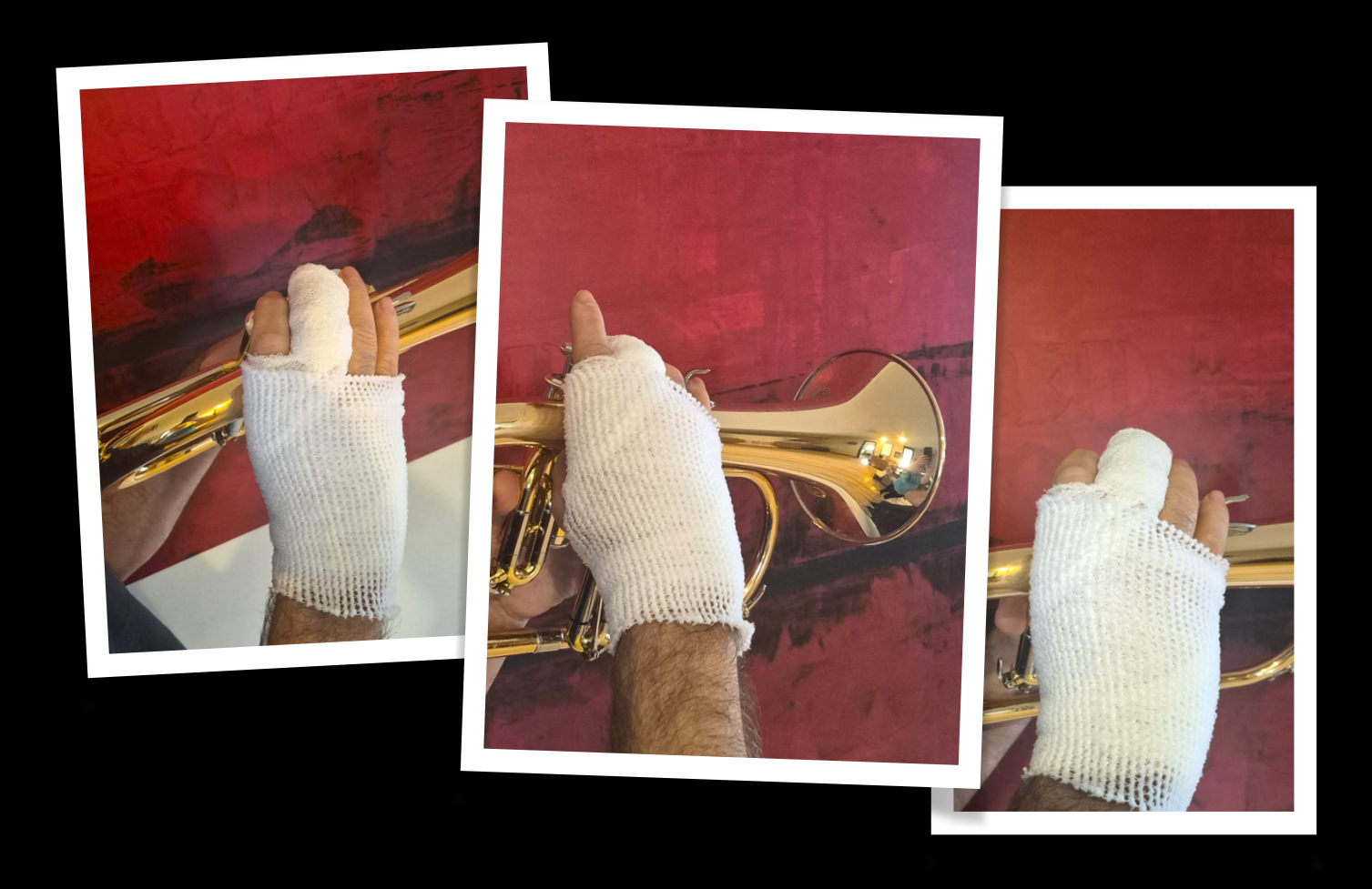
I've been working hard, faithfully following the PT program designed by my care team, stretching the joints and tendons, incrementally pushing through the pain, gradually rebuilding strength and endurance. And I've been diligently practicing rudiments on the horn for a little longer each day, steadily recovering dexterity and fine motor function in my hand and fingers. 

Now it's time to suit up, get back out there, and face the music once again!

Tomorrow is my first gig since the surgery, but I’m not worried.

I’ll take my time and enjoy the journey.

My only job is to pace myself.

04/28/2026

  • Leave a comment
  • Share
    SLOW LIVING UPDATE | APRIL 2026

    Share link

in Pop Culture, Encouragement, Motivation, Mindfulness, Oral History, Dmitri Matheny Memoir, Bidness, Intention, Superheroes, Advocacy, Simplicity, Humility, Restraint, Resourcefulness, Change, PNW Life, Home

PROGRESS REPORT | RANDORI 


Only one more week remaining here in the hunker bunker! I’m fighting the good fight.

Hand rehab is going well: 90 minutes of PT weekly, plus prescribed exercises several times daily.

I’m not yet able to fully extend my fingers or make a fist, but I’ve recovered most sensation and flexibility, and the pain is almost entirely gone, which is encouraging.

Most importantly, I’m able to practice for a little longer each day, so it should be safe to return to work soon.

The stiffness in my fumbling flugel fingers, however, is supremely frustrating!

Passages I could play before with lyrical ease are now difficult to execute.

So it’s back to basics: scales, patterns, and etudes. Shout out to my old nemesis Herbert L. Clarke!

I play each exercise slowly with the metronome, gradually increasing the tempo, only after I’m able to place each note precisely and with equal weight. It’s mind-numbing work, but necessary.

Meanwhile, I’m also battling the bean-counting bureacrats of the deviously labyrinthine Medical-Industrial Complex. Sigh. #IYKYK

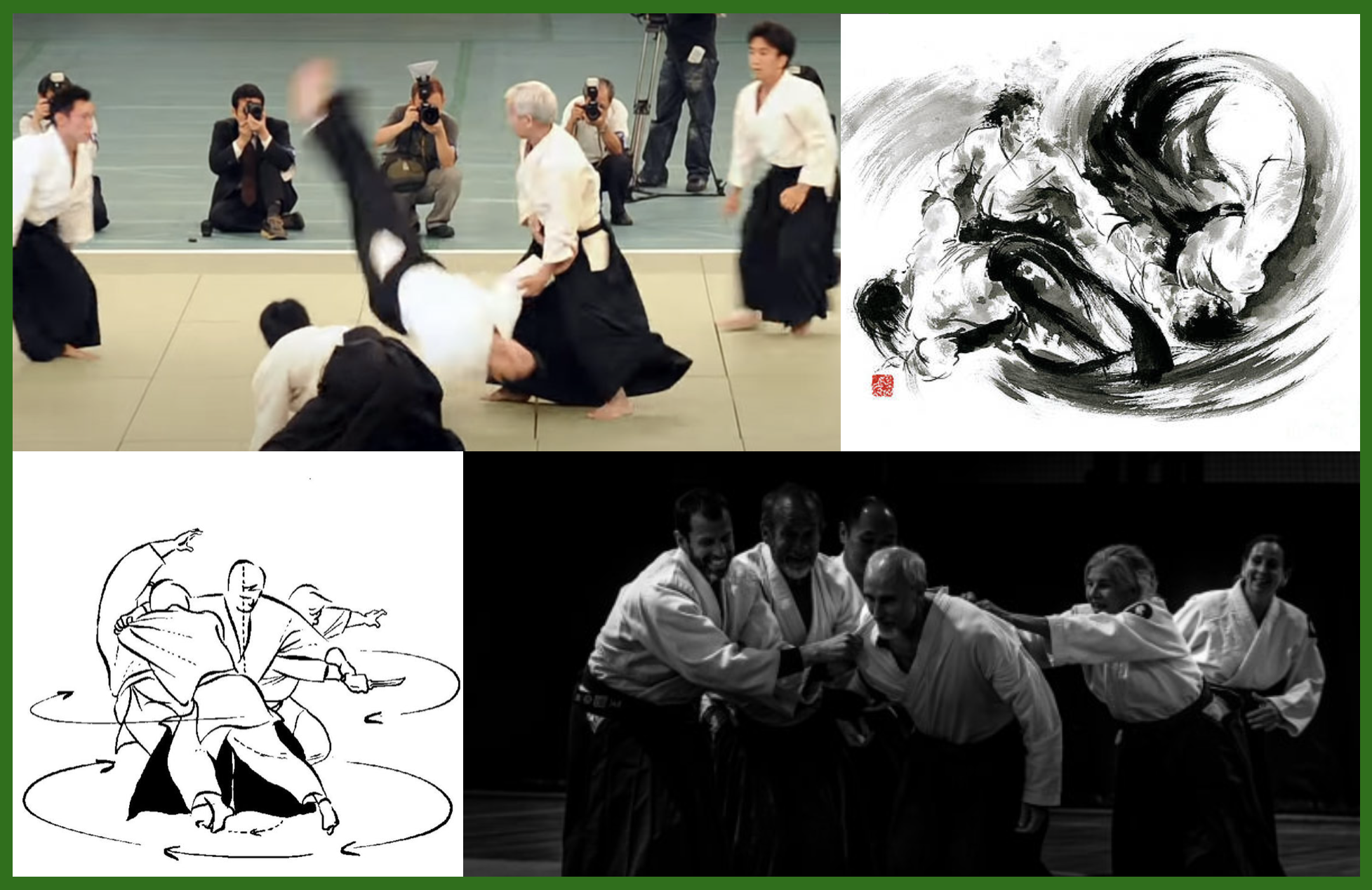
In the martial art of Aikido, the Japanese term “randori” (乱取り), literally “seizing chaos,” is an advanced technique in which the practitioner must improvise a defense against multiple attackers.

Opponents strike randomly using a variety of weapons. The unarmed randori master, alone at the center of this chaotic whirlwind, remains relaxed and ostensibly motionless. He anticipates, reacts, and deflects, expending little effort, even as he sends assailants flying in every direction.

What a beautiful and inspiring image!

To calmly face all of life’s battles—mental, physical, financial, existential—with grace.

Seizing chaos! Stillness within motion. You dig?

Fortunately, we don't have to fight every battle alone!

Thank you all for your encouragement and support.

04/22/2026

  • Leave a comment
  • Share
    PROGRESS REPORT | RANDORI

    Share link

in Encouragement, Motivation, Mindfulness, Oral History, Role Models/Mentors, Dmitri Matheny Quotes, ShuHaRi, Esoterica, Dmitri Matheny Memoir, Bidness, Intention, Advocacy, Simplicity, Humility, Restraint, Japanese Culture, Resourcefulness, Change, Health & Fitness

PROGRESS REPORT | HOME STRETCH 

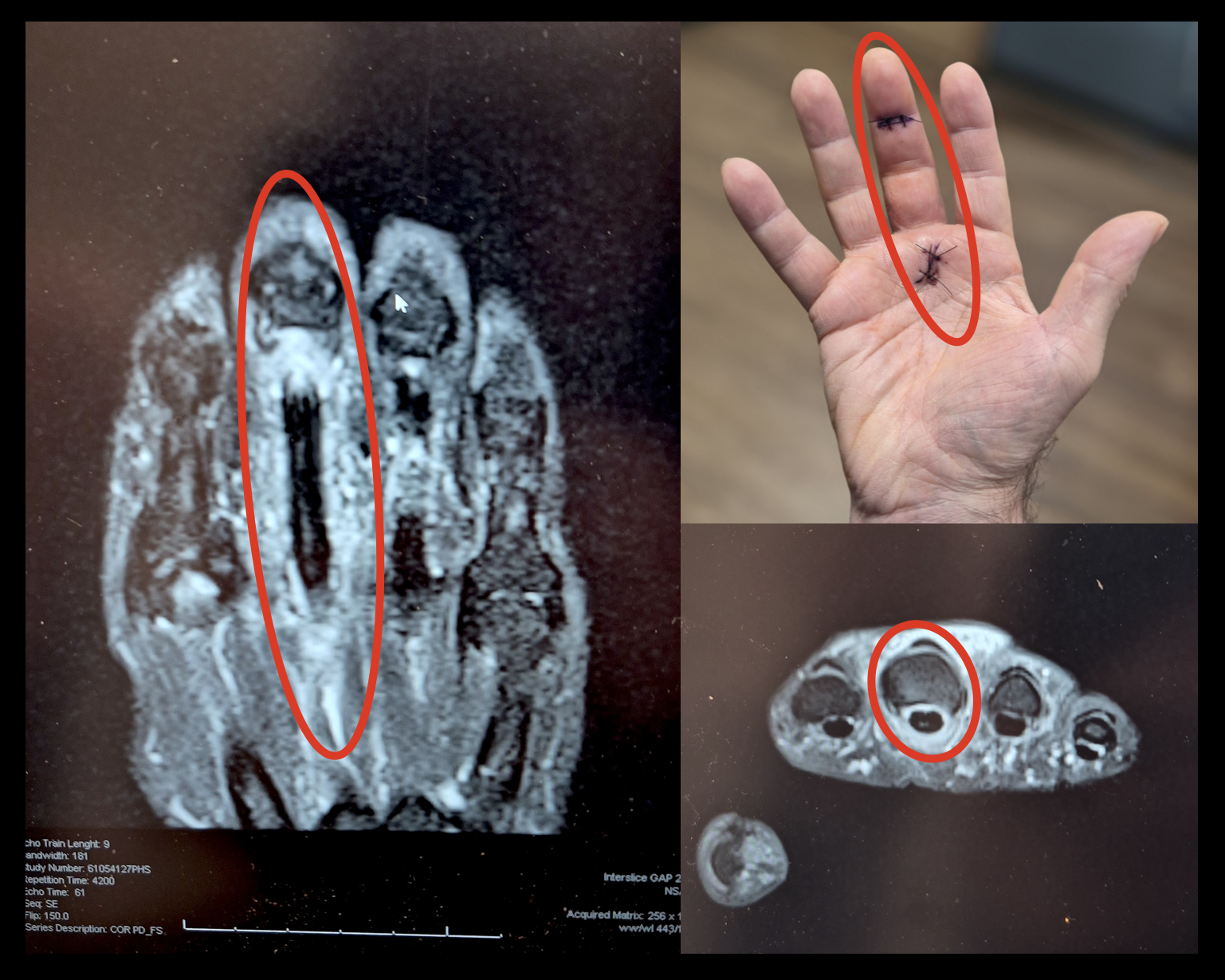
Welp, the stitches are out, the bandages are off, and the hand looks good!

The procedure was a grand success. Shout out to Dr. Francisco Rodriguez Fontan and the excellent care team at Providence Centralia.

They saved my second valve finger and cleared the infection. They’re going to keep me on antibiotics for another couple of weeks, just to be sure, but this is wonderful news.

And nary a sexy scar! My only souvenirs from this adventure will be two tiny incision marks on my palm and finger tip, and some permanent inelasticity in my joints and tendons.

Now to recover as much fine motor function in my flugelin’ hand as possible. I can’t make a fist yet, or fully extend my fingers, but I’m already able to practice for a full hour before prohibitive pain and stiffness return.

I’ll remain laser focused on PT, OT, stretches, and flugel rudiments, adding 5-10 minutes daily, until it’s safe to return to work. I hope and expect to be road-ready by month’s end!

Heartfelt thanks to our friends and family for all your good thoughts and generous support while I’ve been sidelined. Your kindness means the world.

See you soon!

04/20/2026

  • Leave a comment
  • Share
    PROGRESS REPORT | HOME STRETCH

    Share link

in Motivation, Mindfulness, Dmitri Matheny Memoir, Intention, Advocacy, Simplicity, Humility, Restraint, Resourcefulness, Health & Fitness, Home

PROGRESS REPORT | RECOVERY PROCEEDING APACE 

Preparing for my future TED Talk: 
Vigilant Diligence for Digital Impediments to the Rudiments Regimen

Update: two weeks post-surgery, and rehabilitation is proceeding apace!

Now able to practice for 45 minutes with only minimal pain and stiffness, adding 5 minutes daily.

Feeling so very grateful to everyone for the help and encouragement.

04/17/2026

  • Leave a comment
  • Share
    PROGRESS REPORT | RECOVERY PROCEEDING APACE

    Share link

in Quotes, Encouragement, Motivation, Mindfulness, Oral History, Dmitri Matheny Quotes, Dmitri Matheny Memoir, Bidness, Intention, Advocacy, Simplicity, Humility, Restraint, Resourcefulness, Health & Fitness

SLOW LIVING UPDATE | FEBRUARY 2026 

This is The Year of Slow Living.

The mission is to pace myself and persevere.

February was just right — the perfect balance of work and rest.

We’ve enjoyed the rain this month, ideal for cozy evenings by the fire. Sass is disappointed we haven’t had any snow, but personally, I don’t miss it. Winter driving is no joke, especially over these northwest mountain passes! No snow or hail for me, thanks. But rain? Rain is life.

On show days I endeavor to practice effortless action. Easing into the morning calmly and mindfully, I do what is necessary, one thing at a time. Then I pack up the van and hit the road early, allowing plenty of stress-free travel time. I listen to music and enjoy the drive, remaining alert, taking breaks.

When I arrive early, the performance takes care of itself. Prepare, adapt, enjoy.

We gave our new program a “soft launch” this month on a couple of low pressure gigs, and the results were encouraging. This show is a crowd-pleaser, lively and entertaining, but isn’t overly demanding. The flashy flugel-heavy moments are balanced by opportunities to rest while we feature other members of the band.

These strategic breaks will prove especially important when we play consecutive shows, but I hope to avoid too many back-to-back engagements this year. So far the itinerary looks manageable. We have 81 confirmed gigs, and will accept no more than 100, so we can be selective as new opportunities arise.

On the RA front, I have good days and bad days. The biologic medications are definitely working, and I’m grateful for the functionality and mobility they help to make possible.

Some stiffness and soreness has returned, however, since I went off prednisone. Occasionally I have flares, random periods of pain and brain fog, and I often experience extreme fatigue the day after doing anything strenuous. Recovery days have become mandatory.

When I ask about remission, the rheumatologist reminds me that “this is a marathon, not a sprint.” I dig, but marathons are exhausting. Nevertheless, we move forward.

Today is the first day of March and the beginning of our busy spring season. 

Important to stay on top of things without becoming overwhelmed. 

Slow living is the key. Rise with the sun, tend my garden, play my role. 

Rest. Repeat.

03/01/2026

  • Leave a comment
  • Share
    SLOW LIVING UPDATE | FEBRUARY 2026

    Share link

in Art, Jazz, Encouragement, Motivation, Mindfulness, Oral History, Listening, Dmitri Matheny Group, Dmitri Matheny Memoir, Bidness, Intention, Advocacy, Simplicity, Humility, Rain, Restraint, Resourcefulness, Change, PNW Life, Health & Fitness, Home, Sassypants Poutypuss

SLOW LIVING UPDATE | JANUARY 2026 

I love the month of January, when it’s my custom to take a break from traveling and performing.

January is when I return to myself. I stay home, reflect, recharge, plan, and prepare for the year ahead.

Mornings are spent fireside, writing music, practicing, and scheduling new tours and concert appearances. Afternoons are for puppy walks and errands. Evenings are pure relaxation.

This year I really needed the reset. 2025 was utterly exhausting! I’m determined to do a better job of pacing myself in 2026, which I’ve christened “The Year of Slow Living.”

So far, so good. January 2026 was just what it needed to be: both rejuvenating and productive.

Accomplished month one objectives while maintaining a relaxed, measured, calm and deliberate pace. No stress. Wu-wei.

Visited two doctors, the dentist, and mechanic, prepared most of the quintet arrangements for this season’s show, broke-in my new horn and mouthpiece, adapted to my new RA meds, and confirmed 75 of the 100 gigs we will play this year. Excelsior!

Also caught up on sleep and dreams.

Now it all starts up again.

Ready? Let’s do this.

01/30/2026

  • Leave a comment
  • Share
    SLOW LIVING UPDATE | JANUARY 2026

    Share link

in Art, Jazz, Motivation, Mindfulness, Dmitri Matheny Quotes, Favorites, Dmitri Matheny Group, Dmitri Matheny Memoir, Bidness, Intention, Advocacy, Simplicity, Humility, Restraint, Resourcefulness, Change, PNW Life, Health & Fitness, Scout, Home

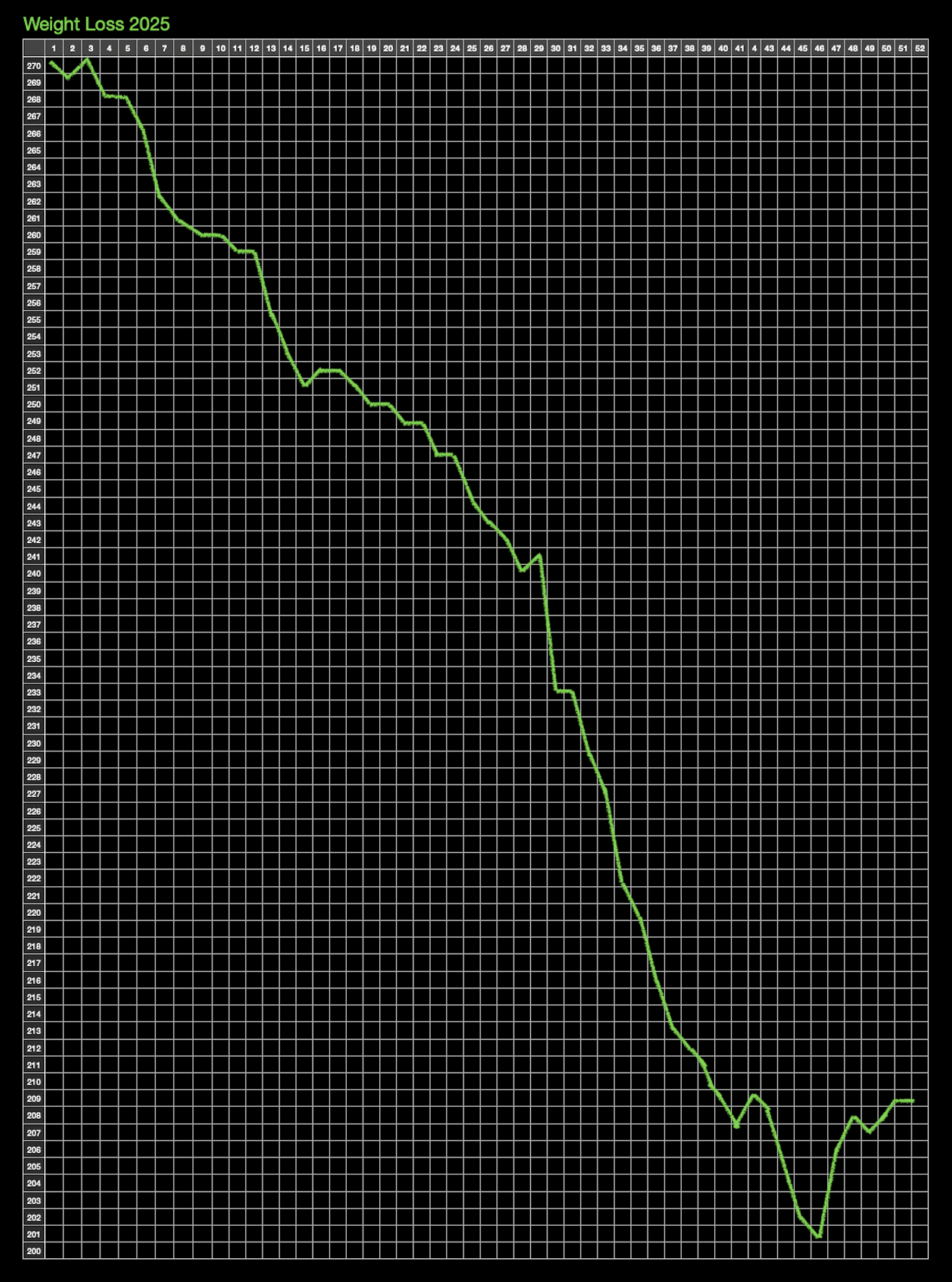
WEiGHT LOSS 2025 

Welp, after a year of steady progress, I managed to get within spitting distance of my goal weight, but was thwarted in the final stretch by the delicious treats of the holiday season! Predictable.

No matter! Will start fresh, and begin anew, on January 1. 

I wonder: how long will it take to break 200? 

When will I earn that GL “willpower” ring?

12/29/2025

  • Leave a comment
  • Share
    WEiGHT LOSS 2025

    Share link

in Encouragement, Motivation, Mindfulness, Dmitri Matheny Memoir, Intention, Superheroes, Advocacy, Simplicity, Restraint, Change, Health & Fitness

RESOLUTIONS 2026 — THE YEAR OF SLOW LIVING 

RESOLUTIONS 2026 — THE YEAR OF SLOW LIVING
I resolve to embrace the slower pace of this stage and season.


Slow down. Take my time. Do things right.

Protect the sanctity of my slow morning routine.

Embrace calm contentment. Reject hustle culture.

Do less of everything! Work less, eat less, spend less.

Be more selective. Say “no, thank you” easily and often.

Simplify! Live frugally. Prepare for retirement. Eliminate debt.

Get plenty of rest. Take naps! Relax. Refresh. Recharge. Rejuvenate.

Favor working close to home. Sleep in my own bed whenever possible.

Schedule 25% fewer shows. Accept no more than 100 bookings throughout the year.

Limit tours outside the region. Seek run-outs and residencies. Build rest days into every trip.

Take it easy on show days. Conserve energy during gigs. Alternate sitting and standing. Take breaks.

Master the art of living with RA. Learn how to better manage pain, inflammation, stiffness, and fatigue.

Spend more time outdoors. Align with circadian and seasonal cycles. Take nature walks. Go fishing.

Preserve mental health. Avoid negative people. Limit consumption of news and social media.

Prioritize gentle exercise: walking, stretching, swimming, chair yoga, tai chi. Motion is lotion.

Downsize! Minimize visual distractions. Declutter, sell, gift, donate.

Stay curious, calm, playful, and — most of all — grateful.

12/24/2025

  • Leave a comment
  • Share
    RESOLUTIONS 2026 — THE YEAR OF SLOW LIVING

    Share link

in Art, Jazz, Encouragement, Motivation, Mindfulness, Oral History, Dmitri Matheny Group, Dmitri Matheny Memoir, Bidness, Intention, Advocacy, Simplicity, Humility, Restraint, Resourcefulness, PNW Life, Health & Fitness, Home

RESOLUTIONS 2024 — THE YEAR OF QUIET CONFIDENCE 


This year I resolve to work smarter, not harder.

I plan to pace myself, take my time, and do things right.

I’ll talk less, walk more, and appreciate every moment.


1. Sustain my daily routine at home.

  • Wake up before sunrise. Walk, stretch, make bed.
  • Handle all business before noon; reserve afternoons for music.
  • Practice flugelhorn long tones and rudiments. Prepare repertoire.
  • Read, study, walk dogs, run errands, and finish chores before daily meal.
  • On gig nights: allow extra time, drive carefully, arrive early, and read my book.
  • On free nights: enjoy television, movies, music, and podcasts.
  • Before bed, put the day up for review and plan tomorrow.
  • Practice deep breathing and mindfulness meditation.
  • Sleep soundly for six hours or more.


2. Make the most of every road trip.

  • Service van and replenish supplies before every tour.
  • Plan ahead. Research each day’s driving route, meal, and nature walk.
  • Drive no more than six hours daily. Rest every two hours.
  • Schedule one (but no more than two) engagements each day.
  • Cut costs to increase margins. Overnight with Harvest Hosts when possible.
  • Maintain personal hygiene and stick to a regular sleep schedule.
  • Recharge devices and handle business each morning.
  • Plan breaks along the way for visits with friends.


3. Prioritize mental well-being.

  • Relax, smile, and laugh. Choose to be in a good mood.
  • Limit exposure to negative people and influences.
  • Watch no more than 30 minutes of daily news.
  • Spend no more than 10 minutes on social media.
  • Get outdoors. Appreciate nature. Play with dogs.
  • Schedule seasonal solitude retreats and staycations. 
  • Make time for real conversations with friends.
  • Be of service. Offer help and follow through.
  • Avoid complaining, even to myself.
  • Stay humble, hopeful, and grateful.
  • Memento mori. Amor fati.


4. Prioritize physical health.

  • Enjoy food and drink in moderation.
  • Limit consumption of caffeine and alcohol.
  • Follow OMAD and Warrior Diet protocols.
  • Visit the doctor and dentist regularly.


5. Maintain financial discipline.

  • Boost contingency fund by 20%.
  • Increase retirement savings by 10%.
  • Pay off 100% of consumer debt.
  • Protect home and credit rating.


6. Shut up and listen!

  • Hold few opinions and express even fewer.
  • Listen more. Speak less. Two ears, one mouth!
  • Remain curious, interested, and open-minded. Become laconic.
  • When possible, try to make the point in one sentence, without preamble.
  • In conversation, pause to think, then choose words carefully before speaking.
  • When performing, settle down. Be a supportive listener, not a cheerleader.
  • Rather than reacting impulsively, respond thoughtfully.

12/30/2023

  • Leave a comment
  • Share
    RESOLUTIONS 2024 — THE YEAR OF QUIET CONFIDENCE

    Share link

in Art, Encouragement, Motivation, Mindfulness, Listening, Dmitri Matheny Group, Bidness, Intention, Advocacy, Simplicity, Humility, Resourcefulness, Love, PNW Life, Health & Fitness

MICHIGAN TOUR | DAYS 13-14 — SHELBY, DEARBORN 

After our thrilling show at the Blue Llama, I drove through the night to the quaint little village of Shelby in western Michigan for a 7 AM workshop. (Pro-tip for night-drivers: staying awake is easy when you’re scream-singing along with Olivia Rodrigo’s “Vampire” at the top of your lungs!) 

The Shelby HS students were brave and bold — everyone improvised! — and their delightful teacher, Erin Ray, even played drums for our session. 

Upon returning to Detroit, I visited the Dearborn HS program under the direction of Brian McCloskey. His jazzers meet even earlier — 6:40 AM — but these kids showed up ready to work!

Back-to-back “zero hours” on opposite sides of the state are no joke for a tired old road dog like me. Nevertheless, I’m grateful for the opportunity to work with such inspiring young students and teachers. Their energy and enthusiasm always seem to replenish the spirit. 

Excelsior!

10/20/2023

  • Leave a comment
  • Share
    MICHIGAN TOUR | DAYS 13-14 — SHELBY, DEARBORN

    Share link

in Art, Jazz, Encouragement, Motivation, Mindfulness, Dmitri Matheny Quotes, Dmitri Matheny Group, Dmitri Matheny Memoir, Bidness, Intention, Advocacy, Interlochen, Humility, Resourcefulness, Health & Fitness

RESOLUTIONS 2023 — THE YEAR OF GRIT & GUMPTION 

Be a man. Cowboy up! Don’t whine. Don’t complain. Just do what needs to be done.

Accomplish more with less effort. Use the tools of habit and ritual. Be resourceful.

Book extended tours: midwest (2023), western states (2024), east coast (2025).

Recommit to meal planning, black coffee, portion control, and nature walks.

Use fewer words. Say precisely what you mean and then stop talking.

Update duo, quintet, and big band repertoire. Prepare new sets.

Make time for long, meandering conversations with friends.

Maintain tourbus in excellent condition. Service regularly.

Update home security and emergency response plans.

Boost income from workshops by raising fees 20%.

Seek a mentor, a drinking buddy, and a side hustle.

Make the composition retreat an annual event.

Schedule a full week of rest in every season.

Stay humble. Stay hopeful. Stay grateful.

Take Sassy on a birthday vacation.

Selectively apply for grants.

Reduce debt by 10%.

Listen to the rain.

Learn to bowl.

Prepare.

Adapt.

12/24/2022

  • 3 comments
  • Share
    RESOLUTIONS 2023 — THE YEAR OF GRIT & GUMPTION

    Share link

in Art, Jazz, Encouragement, Motivation, Mindfulness, Role Models/Mentors, Listening, Dmitri Matheny Memoir, Bidness, Intention, Advocacy, Simplicity, Rain, Resourcefulness, Change, Love, PNW Life, Health & Fitness, Home, Sassypants Poutypuss

TRAVELOGUE | DAY 1 


Packing up the tour bus for two weeks in Northern California!

It’s thrilling to return to road life, dodging fires, floods, and viruses to share our music with the people.

Seriously, some of these AP photos along I-5 look like something straight out of a Mad Max movie, so we’re mapping a couple of alternate routes south just in case. 

Today I'm grateful for the wise Minnie Pearl, who said it best:

“Take the back roads instead of the highways.” 


09/03/2022

  • Leave a comment
  • Share
    TRAVELOGUE | DAY 1

    Share link

in Pop Culture, Jazz, Quotes, Motivation, Mindfulness, Role Models/Mentors, Dmitri Matheny Group, Dmitri Matheny Memoir, Bidness, San Francisco, Intention, Film, Advocacy, Resourcefulness, The South

COURSE CORRECTION 

A man’s reach should exceed his grasp, or what’s heaven for? 
—Robert Browning
 

About a year ago I wrote an obituary for my father. 

I sorted through his letters and personal papers, created a list of his educational and professional accomplishments, and attempted to fashion the mercurial vagabond voyage that was his life into some sort of cohesive linear narrative. 

I tried my best, but tributes never quite capture a subject’s true essence. This is especially the case with Daddy Bill, a great man who eschewed all markers of greatness. He didn’t care a whit about fame, gain, or material success. 

The part of his obit that feels 100% right to me is this: 

Throughout his life, Matheny generously shared his love of nature with others,
inspiring many of his students, friends and family members to develop their own
deep appreciation for the natural world. This is his great and lasting legacy. 

That legacy was underscored for me by the many people who reached out personally to tell me what Bill Matheny had meant to them. There’s no question: the man was beloved. He died without property or prestige, but his reach was wide. He will long be remembered as someone who made a positive difference in the lives of others. 

Unlike my Dad, I’ve always been ambitious and more than a little selfish. I knew better than to expect fame or fortune, but all my life I’ve worked harder than most of my contemporaries, powered by “main character syndrome” and the sincere belief that I was on track to become an historically significant artist. 

I now understand that goal to be unrealistic. 

Mind you, I’m a far better musician than I used to be. My new album will be my best, and I’m not done yet! I'll continue to strive for incremental improvement, greater authenticity, and soul. 

But my talents are limited. At age 56, there simply aren’t enough years left for me to join my jazz heroes on Mount Olympus. Instead, I now hope to live up to my father’s simple example of sharing with, and inspiring, others. 

Like the song says, “the greatest thing you’ll ever learn is just to love and be loved in return.”

01/02/2022

  • Leave a comment
  • Share
    COURSE CORRECTION

    Share link

in Art, Jazz, Quotes, Encouragement, Motivation, Mindfulness, Oral History, Role Models/Mentors, Dmitri Matheny Quotes, Listening, Youth, Dmitri Matheny Memoir, Intention, Literature, Poetry/Song Lyrics, Advocacy, Dreams, Simplicity, Humility, Fame & Popularity, Roots, Change, Bill Matheny, Love

RESOLUTIONS 2022 | The Year of CASCADIA 


Health 

Recommit to OMAD, black coffee, and portion control. 
Plant new salad vegetables in the garden. 
Walk every day before the evening meal. 
Curtail alcohol consumption. 
Prioritize memory work. 

Music 
Perform mostly songs from the new album. 
Expand melodic range in both directions. 
Arrange Joni Mitchell material for Holly. 
Write songs for top Indiegogo backers. 
Study Nelson Riddle's orchestration. 
Practice Beleza duo repertoire. 

Business 
Arrange for album design, distribution, promotion, and marketing.
Maintain tourbus with regular servicing, repairs, and upgrades. 
Apply for touring, residency, and commissioning grants. 
Schedule tours and album release events. 
Purchase a backup horn. 
Reduce debt by 25%. 

Personal 
Make an emergency response plan.
Write a blog post every week. 
Invest in home security.
Make time for friends. 
Practice gratitude.
Pace yourself.
Go fishing.

12/27/2021

  • Leave a comment
  • Share
    RESOLUTIONS 2022 | The Year of CASCADIA

    Share link

in Art, Jazz, Encouragement, Motivation, Mindfulness, Dmitri Matheny Quotes, Dmitri Matheny Group, Dmitri Matheny Memoir, Bidness, Intention, Advocacy, Simplicity, Restraint, Resourcefulness, Refreshing Beverages, PNW Life

THE SECRET 


When I first met my hero Art Farmer, he was spending half his year at home in Vienna and the other half on tour.

Occasionally concert promoters would pony up for his New York band, but most of the time Art worked with local rhythm sections. Regardless, he hired the best musicians everywhere, and his ensembles never failed to impress.

"How do your groups always sound so good?" I asked him after a knockout performance at Kimball's in San Francisco. "What's the secret?"

"Dmitri, it's simple," he said. "If you find that you're the smartest cat in the room, you're in the wrong room."

10/11/2021

  • Leave a comment
  • Share
    THE SECRET

    Share link

in Jazz, Quotes, Encouragement, Motivation, Mindfulness, Oral History, Role Models/Mentors, Favorites, Listening, ShuHaRi, Dmitri Matheny Memoir, Bidness, San Francisco, Intention, Advocacy, Simplicity, Humility, Resourcefulness, Art Farmer

KINKAKU-JI 

“The foundation of any national character is human nature.”
―Vasily Grossman
 

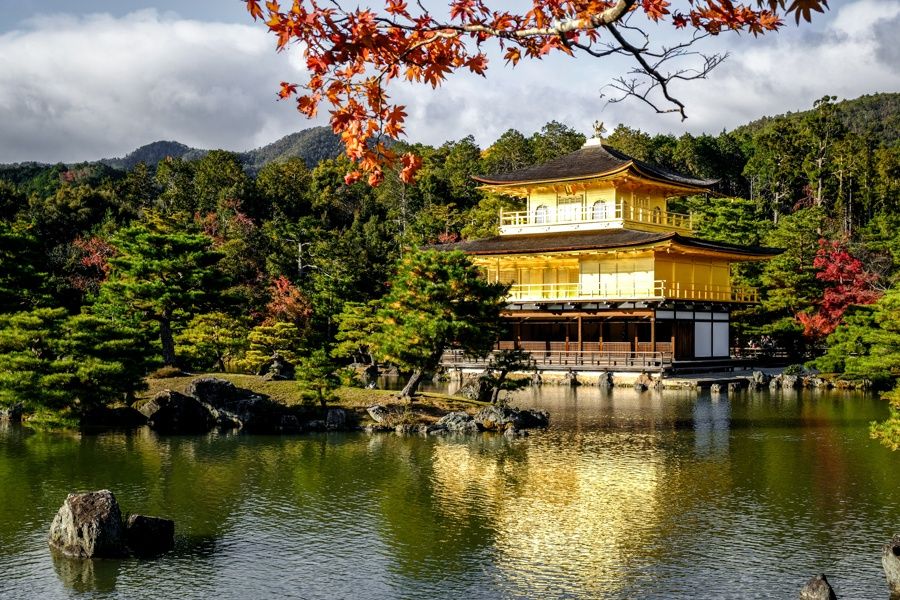
Of all the many magical places I’ve encountered in my travels, Kinkaku-ji, Kyoto’s Temple of the Golden Pavilion, is one of the most magnificent. Set in a classical strolling garden by a reflective pond, the temple’s design is strikingly opulent yet perfectly integrated into the surrounding landscape. 


Although I’ve only visited the historic world heritage site twice, I return so often in mind and memory that it has become comfortingly familiar. For me, this temple achieves what the great cathedrals of Europe do not. Instead of making one feel small and insignificant, Kinkaku-ji inspires a profound feeling of gratitude and connection to the natural world, inviting contemplation of one’s own role in the cosmos. As above, so below. 

Kinkaku-ji is a wonder of architecture and aesthetics. Each section of the three-story structure represents a different historical period and point of view. The first level, named Chamber of Dharma Waters, is rendered in the natural wood and white paneled shinden style of eleventh century imperial aristocracy, with verandas and open areas that bring the outdoors inside. The second story, called Tower of Sound Waves, is built in the tenth century manner of samurai warriors, with sliding doors and mullioned windows intended to convey evanescence. The top floor, Cupola of the Ultimate, is constructed in the twelfth century zen style suggesting meditation and spiritual insight. The top two levels are completely covered in shining gold leaf. Taken collectively, this singular architectural marvel confers both respect for nature and an awareness of the fragile, fleeting nature of existence. 

But it’s the luminous golden reflection of the temple on the surface of the pond that I find most compelling. The image remains constant as the seasons change. Even before you view the relics and treasures within, the building’s exterior design eloquently communicates the Japanese ideals of shokunin (craftsmanship, pursuit of perfection), wabi (understated elegance), sabi (the beauty of impermanence), yugen (mystery, grace) and ma (negative space, emptiness, and silence). 

Kinkaku-ji is a truly remarkable place. It’s also where I learned a valuable lesson about the absurdity of stereotypes and the gentle power of humor. 

A light rain was falling as I quietly admired the temple with my new friend Masa, an expert on buddhist culture who also happens to be the husband of a favorite visual artist), when our silent contemplation was suddenly interrupted by a boisterous busload of Japanese tourists. They tumbled out of the bus, photographers all, and immediately began to laugh and shout as they joyfully took pictures of one another on the temple grounds. 

I was offended by what I perceived as an inappropriate and unwelcome assault on my reverie. Kinkaku-ji is a sacred place! They should know better, I thought. But when I looked to my guide he was grinning ear-to-ear, delighted with their arrival. I wondered how he could remain so cheerful in the face of this intrusion.

“You don’t find them rude?” I asked, as yet another cluster of giggling girls pushed past us to pose in front of the temple. They squealed gleefully and flashed peace signs as their male companions snapped photo after photo.

“This is a happy place,” Masa explained, smiling benevolently. “Why shouldn’t they be happy?” 

Of course he’s right, I realized. Embarrassed by my own foolishness, I tried to make a joke. 

“Hey Masa, you’re Japanese. Where’s your camera?” 

He replied without hesitation.

“Well, you’re American...where’s your gun?”  

09/20/2021

  • Leave a comment
  • Share
    KINKAKU-JI

    Share link

in Art, Quotes, Encouragement, Motivation, Mindfulness, Oral History, Role Models/Mentors, Dmitri Matheny Quotes, Favorites, Mystery, Esoterica, Dmitri Matheny Memoir, Intention, Advocacy, Simplicity, Humility, Rain, Restraint, Japanese Culture, Change, Love

REFLECTIONS ON 9/11 

“War, what is it good for? 
Absolutely nothing.” 

—Barrett Strong


On the morning of Tuesday, September 11, 2001, I was at home in Berkeley, drinking my first cup of coffee and viewing the Today show when the news broke. I watched in horror and disbelief as the second plane hit the World Trade Center, in real time, on national television. 

It took awhile to get over the initial shock and accept the reality of what was happening, but the awful footage continued to be broadcast on every channel throughout the afternoon and evening. This was not fake. It was no movie. No superhero was coming to save the day. The tragedy of 9/11 and its painful consequences were very real indeed. 


One by one we heard from New York friends who survived the senseless attacks. None were injured, thank goodness, but all were traumatized. As we learned the names of those who died, however, our shock and sadness turned to anger.

I’m no conspiracy nut, but I must confess to harboring some rational skepticism about what really happened that day. The official 9/11 Commission report was neither comprehensive nor persuasive. Too many questions remain. 

Why was Al-Qaeda able to outwit the worldwide intelligence community? Doesn’t the USA have the most expensive and sophisticated military in the world? Is it really so easy for a plane to fly into the Pentagon, without alerting the Pentagon? And what about the laws of physics? Is the impact from two civilian airplanes truly all it takes to cause the total collapse of three New York City skyscrapers, directly into their own footprint, as if by controlled demolition? And if these atrocities were not perpetrated by a foreign government, but by an unsanctioned group of religious zealots from Saudi, UAE, Lebanon and Egypt, how exactly did these crimes justify prolonged American wars in Afghanistan and Iraq? 

I raise these questions not to suggest the possibility of a false flag operation, but to highlight the cognitive dissonance of the day’s events. We may never know whether our government was complicit, or merely asleep at the wheel, but neither is excusable. When something so unthinkable occurs, and none of the official explanations make sense, you begin to doubt everything. 

Like many Americans, I experienced lingering feelings of vulnerability and disillusionment after 9/11. It was no longer possible to believe the fairytale that “it can’t happen here.” Even on the west coast, the attacks felt personal, regardless of whether you knew any of the victims personally. 

I remember sitting in my driveway the following spring, still mourning, listening to Norah Jones’ Come Away With Me, and wondering if our collective national sadness might be partly responsible for her album’s runaway success. We were wounded, and Norah’s soulful, melancholy music was just the medicine we needed. Grief brought us together. 


Unlike many, however, I did not feel patriotic after 9/11. Jingoism struck me as an entirely inappropriate reaction to such a catastrophic national blunder. I felt let down by our leaders, outraged that they had let this happen, and troubled by their simplistic, sloganistic responses. Instead of providing the answers and accountability we deserved, they gave us only facile exhortations to “go shopping” and “support the troops.” They curtailed our civil liberties and declared war on terror, an objective that is absurd on its face, not to mention unwinnable. 

I was also deeply disappointed by friends and neighbors. I’ve never heard so much anti-foreigner and anti-immigrant hate speech. It was heartbreaking. The concurrent sudden appearance of our flag everywhere, on front porches, car antennas and lapel pins, only underscored my sense of disconnection.


Can a liberal pacifist xenophile be a proud American? It's complicated. As an avowed Citizen of the World, I respect our institutions, but patriotism doesn’t come naturally. Like religious piety, bigotry, and football mania, patriotic pride is something that I’ve never really understood even though it has surrounded me all my life. 

Don’t get me wrong, I’m aware of my good fortune at having been born white, male and North American in the 20th century, and am grateful for the rights and privileges that I enjoy in this country. I love that I can own property and speak my mind. But I’m also cognizant of the fact that I didn’t earn these blessings. They were stolen by my ancestors and built on the backs of subjugated people. And I know that even today, not all Americans are able to enjoy the same rights and privileges equally. 

I would have to say that I like the idea of America more than the reality. I’ve never bought into the myth of American Exceptionalism. I’ve done enough traveling to learn that the USA is not “the envy of the world,” as I was taught to believe in school, but is actually inferior to many other industrialized nations in education, infrastructure, health care and support for the arts. 

I also emphatically reject the notion that our democratic freedom is predicated on maintaining American hegemony and global military dominance. Freedom may not be free, but most wars are unnecessary. Sorry, Colonel Jessup, but we can handle the truth. We don’t all want you on that wall. Some of us don’t want walls at all.

20 years after the events of 9/11, the United States Armed Forces are finally withdrawing from Afghanistan. This has been the longest military action in our nation's history. 978 billion dollars were spent. Over 241,000 people were killed, including 71,000 civilians. 

Was it worth it?

07/20/2021

  • Leave a comment
  • Share
    REFLECTIONS ON 9/11

    Share link

in Pop Culture, Quotes, Dmitri Matheny Quotes, Dmitri Matheny Memoir, San Francisco, Film, Superheroes, Poetry/Song Lyrics, False Flags, Advocacy, Home

UP IN THE AIR | PART 3 — CITIZEN OF THE WORLD 

“Remember, you’re not alone. 
You’re part of an international 
brotherhood of artists and musicians. 
We’re all in this together.” 

—Art Farmer 


I aspire to be a Citizen of the World. 

A world citizen is a xenophile whose identity transcends geography. Rather than swearing allegiance to a particular nation, ethnicity, or religion, the world citizen treats everyone with equal respect, and derives his rights and responsibilities from membership in the human race at large. He endeavors to be a man for all people. 
 

I aspire to be a Citizen of the World.

Art Farmer was such a man. At the height of his success, as his Jazztet was winning American popularity polls, Art relocated to Vienna, Austria, then commenced to tour internationally for decades. His extensive discography includes dozens of collaborations with musicians all over the world. Near the end of his storied life and career, he was awarded both the NEA Jazz Masters Fellowship, the highest honor our nation bestows upon a jazz musician, and the prestigious Austrian Cross of Honor for Science and Art, First Class. 

World Citizen Art Farmer received the highest honors in both America and Austria 

Art had been an adventurer ever since he was a teen, when he and twin brother Addison set out for Los Angeles in search of their destinies. But even after many productive decades in the music business, Art never lost his humility or curiosity. He knew that his chosen career of traveling musician granted admission to the global creative class, an identity he cherished as the foundation of his enlightened worldview. 

“Remember, you’re not alone,” Farmer told a room full of aspiring jazz students at Stanford University. “You’re part of an international brotherhood of artists and musicians. We’re all in this together.” 

Art Farmer’s philosophy resonated deeply with me, perhaps even more than his brilliant, lyrical music. He was “beyond category,” a true Citizen of the World, and I was inspired to live by his example. 

In the years since my mentor’s passing, I’ve been fortunate to enjoy many opportunities for international travel with family, friends and fellow musicians. Occasionally I experienced little more than a hotel and concert hall, but whenever time would allow, I made sure to get out, see the sights, and break bread with the locals. I’ve watched the sunrise in Tuscany, climbed the cliffs of Santorini, serenaded penguins in Patagonia, viewed fireworks over Bangkok, and listened to evening prayers echo through the streets of Jakarta. I’ve visited an artist in Kyoto, a tea master in Uji, a winemaker in Alsace and a chocolatier in Brussels. I’ve met so many fascinating people in my travels, several of whom have become lifelong friends. 

I’m grateful to the bandleaders who invited me to be part of their international adventures, notably Suzan Lesna, Keiko Osamu, and especially Amina Figarova, with whom I recorded two albums and performed in a dozen different countries on tour. For several years in the late nineties and early aughts, Amina and her husband Bart generously hosted me at their home in the Netherlands each fall, an annual residency that enriched my life beyond measure. I love and admire them both as artists, friends, and world citizens. 

It was my privilege to record two albums with Amina for Munich Records 


Although I never became a pilot (holding out for a jetpack, I suppose), I never missed an opportunity to fly, and the long international flights were often most luxurious. Singapore Airlines provided big leather chairs, soft lighting, and an array of Asian delicacies. British Airways offered formal tea and cakes; Japan Airlines served sake and sushi. Virgin Airlines had spa treatments and sleeping pods. And KLM, my favorite, boasted a gorgeous cohort of leggy blonde stewardesses, whose fitted blue uniforms and winning smiles harkened back to the Golden Age of Air Travel. 

The airports, however, were chaotic, unpleasant places. Everyone was on high alert after 9/11. Departure meant grappling with the recently formed TSA, whose agents relished their nascent power like freshly minted mall cops. Arrival meant trying to appear inconspicuous under the gaze of scowling soldiers, in full riot gear, with machine guns. 

We learned to allow an extra hour or two for security screening, during which agents would empty our bags, disassemble our instruments, pat us down and shout commands over the hum of x-ray scanners. “Empty your pockets! Take off your belt and shoes! No liquids!” On one occasion I was pulled out of line, strip-searched down to my socks, and interrogated. “What is this?” barked the agent, holding up my tiny bottle of valve oil. “And exactly what sort of name is Dmitri?” he demanded suspiciously, squinting at the random assortment of stamps in my passport. 

But it wasn’t always so bad. One of my favorite airport memories was arriving in Baku, Azerbaijan for the 2002 Caspian Sea Jazz Festival. I’d been working with Amina for several years, and was thrilled to see her ancestral homeland for the first time. I wanted to find out what sort of Silk Road Shangri-La could produce such a regal, charismatic bandleader. I nicknamed Amina “The Diva,” and often teased her about her aristocratic lineage and manner, but I didn’t fully appreciate where she was coming from until that day. 

We arrived in Baku exhausted, to long lines of weary, grey-faced travelers. Prepared for a long wait at customs, we took our place at the back of the crowd. Suddenly a dapper gentleman in a dark suit appeared beside us. He smiled warmly, greeted us by name, placed our passports in his breast pocket, and handed Amina a giant bouquet of flowers, kissing her on both cheeks. The distinguished official then ushered us briskly through the crowd, past customs, down a private corridor and straight outside, where a ceremonial honor guard stood waiting at attention beside a row of shiny black town cars. “Apparently Amina is kind of a big deal around here,” I muttered to no-one in particular. 

I was right. The whole band was wined, dined, and treated like royalty. There were welcome gifts, guided tours, shopping excursions to the Taza Bazaar, and even a special banquet in Amina’s honor. We feasted on grilled lamb, champagne and caviar, serenaded by a traditional darbuka ensemble complete with belly dancer, who danced with all of us after dinner. The evening concluded with an astonishingly long series of celebratory cognac and vodka toasts to Amina, her family, and the band. It was a glorious evening. 

the whole band was wined, dined, and treated like royalty 

The festival itself was a triumph of concerts, workshops, jam sessions and creative collaboration. I’ll never forget the delightfully surreal evening we spent at the Caravan Jazz Club, where we performed the funk classic “Pass the Peas” with an international superband of Sax ’N Hop (Germany), Toots Thielemans (Belgium), our quintet (Azerbaijan, Belgium, Netherlands, USA), and half a dozen hungry young horn players. 

But the great highlight was our concert at the historic Respublika Palace theater. We played our hearts out, and the band never sounded better. Amina’s modern jazz compositions, especially the ones inspired by traditional Azeri folksongs, were a huge hit with the hometown crowd. The audience cheered wildly. 

the highlight was our concert at the historic Respublika Palace theater 


20 years later, I still aspire to be a Citizen of the World, but no longer wish to to travel so far, or so often. Touring is a young man’s game, and my jet-setter days best be behind me.

My new dream is a little more down-to-earth. I’m now in the market for a small camper van with a bed in the back, a simple “tour bus” in which my dog Scout and I can ramble around the western states together.

We’ll take our time, travel the back roads, see the sights, and break bread with the locals. 

And who knows? I might even play a gig or two.

05/31/2021

  • Leave a comment
  • Share
    UP IN THE AIR | PART 3 — CITIZEN OF THE WORLD

    Share link

in Art, Pop Culture, Jazz, Quotes, Motivation, Mindfulness, Oral History, Role Models/Mentors, Dmitri Matheny Quotes, Favorites, Listening, Dmitri Matheny Memoir, Bidness, Intention, Advocacy, Humility, Fame & Popularity, Japanese Culture, Change, Art Farmer, Jetpacks, Amina Figarova International Band, Refreshing Beverages, Love, PNW Life, Scout, Home

UP IN THE AIR | PART 2 — SEASONED TRAVELER 

“You've taken your first step into a larger world.” 
—Obi-Wan Kenobi 


When I was first starting out, my mentor Art Farmer told me what it really takes to persevere in this business. “Do you like to travel?” he asked. “Well, get used to it, because that’s the life of a musician.” 

I was reminded of his words a few years later when I asked record producer Cookie Marenco how to get the word out about my first CD. “You just need to go on tour,” she replied matter of factly. “It’s all about the tour. Your tour schedule determines everything: which stations play your music, what stores will carry it, when publications will review it, how people hear about it, and most importantly, whether anyone buys it.” 

Such advice may seem silly in this digital age of streaming music and social media. Today, virtually anyone with the right look or gimmick has the potential to “go viral” without ever leaving home. But back in the 20th century we had no choice but to hit the road and participate in the obligatory rain dance of (jargon alert!) flacks, hacks, trades, jocks, promos, co-ops, end caps, take ones, tip sheets, and street teams. The music business was an expensive and time-consuming hustle, and the whole megillah hinged on one’s willingness to travel. 

No problem here. Daddy Bill conscripted me into the vagabond lifestyle when I was still a toddler. I pretty much grew up in the backseat of his VW Fastback. By the time I left home at age 17, we had already moved nine times and taken dozens of road trips together. 

I pretty much grew up in the backseat of Daddy Bill’s VW Fastback 

By high school and college I’d begun to hit my wayfaring stride. I saved my pennies to fly from my father’s house in the Sonoran Desert to the snowy pines of Interlochen and the slushy streets of Boston. I rambled through New England for pick-up dates in the horn sections of touring Motown and pop acts, met up with Art for flugelhorn lessons on both coasts, and journeyed to Florida and California for gigs with Berklee friends. I even maxed out my first couple of credit cards chasing a particularly enthralling girl from New York City to London, Ontario, and back again. I was a novice nomad, but was already on a first name basis with half a dozen skycaps and flight attendants. 

So by 1995, when I began touring as a bandleader in support of my debut album Red Reflections, I was already a seasoned traveler. I well acquainted with the rules of the road: pack light, arrive early, sit tight, be cool, expect delays. 

I tried to find out everything I could about how to make the most of life on the road. Hal Galper had not yet published The Touring Musician, the resource that would ultimately become my bible, so I collected travel hacks wherever I could find them. I worked with agents to find the best deals, consulted a nutritionist for health and wellness ideas, and read magazines to collect business travel tips and tricks. I even asked experienced flyers to share their secrets for gaming the system, such as how to qualify for early boarding and how to gain admission to exclusive airport lounges with fireplaces, daybeds and private showers. 

But my number one travel guru, the person from whom I learned the most, was my friend and fellow road warrior, bassist Ruth Davies. We called Ruth “Felix The Cat” because her tiny magical travel bag always seemed to hold whatever anyone needed, be it an allen wrench, gaffer’s tape, a sewing kit or cold medicine. After years of touring with blues legend Charles Brown, Ruth knew everything there was to know about life on the road. She taught me how to “advance” each stop along the tour, insuring that all our backline tech and ground transportation needs were covered, as well as how to anticipate problems and prepare for every contingency.

The person from whom I learned the most was my friend and fellow road warrior, bassist Ruth Davies

Our first tours beyond the Bay Area were to other cultural hubs out west: Los Angeles, San Diego, Seattle, Portland, Santa Fe, Albuquerque, Las Vegas, Phoenix. Eventually our circuit expanded to include a few midwest and east coast dates as well. We were still only traveling domestically, but since concert promoters rarely covered our travel costs, we learned to leverage frequent flyer miles and points-based affinity programs to receive discounted flights and hotel stays. 

Then in the late 1990s I lucked into a quasi-sponsorship arrangement with American Airlines which enabled me to fly at no cost whatsoever. Amazing! I would volunteer a few hours each week to assist my friend Bobbi, an event promotions manager for the carrier. In exchange she gave me vouchers for free air travel throughout the United States. 

In the late 1990s I flew free-of-charge on American Airlines throughout the United States

Since these were the same certificates used by official airline personnel, gate agents would often quietly upgrade me to first class, no questions asked. Unfortunately, however, I was required to fly “stand by” and was occasionally asked to give up my seat in order to accommodate a paying customer. Plus, no matter where my final destination was, American always seemed to route me through DFW. On more than one occasion, what should've been a two-hour hop from SF to Portland turned into an all day odyssey with a long layover in Dallas.  

Crazy, right? I didn’t mind. A free flight is a free flight. Plus, by that point I had trained myself to work at the gate and sleep on the plane. I took the earliest possible flight the day before a show so that any delays would only be a minor inconvenience. And I always brought my practice mute so that even long layovers would be time well-spent. 

Whenever possible, I chose to fly out of Oakland, my home airport. OAK was a dream back then, much smaller and way hipper than SFO. They let you park right in front of the terminal, check-in was a breeze, and they even played classic jazz over the public address system. Within a few minutes of handing off your bags curbside, you could be relaxing at your gate, listening to Cannonball Adderley, and enjoying a nice hot cup of Peet’s coffee and a delicious veggie burger from Your Black Muslim Bakery. 

Oakland Airport was a dream back then, much smaller and way hipper than SFO

Those were the halcyon days, before the current era of shrinking seats, lost legroom and silly TSA “security theater.” After 9/11 lots of folks gave up on air travel entirely ... but not me.

I was about to take my first step into a larger world. 

Next: 
UP IN THE AIR
PART 3 — CITIZEN OF THE WORLD

05/24/2021

  • Leave a comment
  • Share
    UP IN THE AIR | PART 2 — SEASONED TRAVELER

    Share link

in Pop Culture, Jazz, The Desert, Quotes, Motivation, Mindfulness, Oral History, Role Models/Mentors, Dmitri Matheny Quotes, Favorites, Listening, Mystery, Youth, Dmitri Matheny Memoir, Bidness, San Francisco, Intention, Film, False Flags, Advocacy, Simplicity, Interlochen, Roots, Resourcefulness, Change, Art Farmer, Bill Matheny, Refreshing Beverages, Love, Health & Fitness

SAVE OUR STAGES 

All the world’s a stage, 
and all the men and women merely players. 
They have their exits and their entrances, 
and one man in his time plays many parts.
 
—William Shakespeare 


Don’t it always seem to go 
that you don’t know what 
you got ’til it’s gone? 

—Joni Mitchell


I’ve been thinking a lot about stages recently. Concert stages, stages of life, and all the stages on which we perform, both literally and figuratively. 

Social media is itself a kind of performance space, where people gather for creative expression and the exchange of ideas. Depending on the user, social media may offer an elevated platform for high-minded art and ideals, an open forum for lively discussion and debate, or a cynical echo chamber of fear mongering, conspiracy peddling, virtue signaling and performative activism. (Or you can just post puppy photos!)

The virtual stage provided by live-streaming technology has been a godsend for performers during the shutdown, enabling us to stay active and remain in touch with friends and fans. When all the nightclubs and concert halls went dark, musicians from every genre took to the internet almost immediately, becoming virtual “buskers” overnight. I used a platform called “StageIt” to produce my Quarantunes series of live-streaming solo shows.

I used a platform called “StageIt” to produce my Quarantunes series of live-streaming solo shows

Don’t get me wrong. Live-streaming is no substitute for the real deal. But it can be thrilling to play for an international audience without ever having to leave the house. Food for thought as we consider the post-pandemic commute. 

Of course, real life also offers myriad opportunities to perform. Willy Shakes was really onto something when he penned his famous “All The World’s A Stage” monologue. Like actors in a play, we inhabit various roles at different stages of life: the good son, the good spouse, the good worker, the good friend, the good man. 

As I look back over my own life and career, I can identify seven stages of development. Starting from juvenescent beginner’s luck, I survived adolescent optimism bias and the Dunning-Kruger effect, then as an adult, progressed through confirmation bias and plenty of denial before arriving at my current position, somewhere between middle aged rationalization and senior citizen rosy retrospection. (Shout out to Wikipedia for the psychobabble refresher!)

Through it all, my refuge and sanctuary has been the concert stage, a sacred space where artists and audiences meet in search of a shared transcendent experience. As the immortal Bobby Hutcherson once told me, “Think of the bandstand as an altar. Music is a spiritual calling, and the stage is our church.” 

The Immortal Bobby Hutcherson 

Mr. Hutcherson’s wise words carry extra resonance today, as the pandemic threatens to permanently shutter many of our most beloved venues. Ours is a precious and precarious ecosystem which we must never take for granted.  

The relationship between artist and venue is a symbiotic one. Simply put, we need each other. Too often, however, relations between performers and those who hire them are perceived as adversarial. If you don’t believe me, ask your musician friends whether they happen to know any jokes about club owners.

Those jokes don’t seem so funny now. After fifteen solitary months of playing my horn to an unseen audience over the internet, I’m jonesing hard for a real gig with a real band in a real venue. I miss the creative collaboration, intimacy and immediacy of live performance. Most of all, I miss seeing the faces of people in the audience as we experience the miracle of music together.

Small venues have been hit especially hard by the pandemic shutdown. Many went out of business almost immediately. Of those remaining, ninety percent report that they are at risk of closing without additional financial assistance. 

Enter Save our Stages, a bipartisan bill to provide billions of dollars in relief grants for venues. Recently signed into law as part of President Biden’s economic recovery plan, the Save Our Stages act is not perfect, but it’s a start. As Minnesota senator Amy Klobuchar points out, “Independent venues were some of the first establishments to close down and will likely be some of the last to open. I refuse to sit by and let the music die.”

Save Our Stages is an emergency relief fund for live event venues and promoters 

She's 100% correct, and we all must do whatever we can to help. #saveourstages

Presently, as we anticipate turning the corner on COVID-19, there is reason for hope. My buddy Ed, a jazz guitarist and concert promoter in Ashland, Oregon, optimistically predicts a post-pandemic gold rush for events. He believes that audiences, having been deprived of live music for so long, will return in record numbers, more motivated than ever to buy tickets and support the arts.

Makes sense to me. The global health crisis provided us all with a chance to pause and reevaluate which things in life matter and which things don’t. I, for one, have learned that live music matters immensely, and stages are absolutely essential.

Joni Mitchell said it best: you don’t know what you got ’til it’s gone.

05/06/2021

  • Leave a comment
  • Share
    SAVE OUR STAGES

    Share link

in Art, Pop Culture, Jazz, Quotes, Encouragement, Motivation, Mindfulness, Oral History, Role Models/Mentors, Dmitri Matheny Quotes, Favorites, Youth, Dmitri Matheny Memoir, Bidness, San Francisco, Intention, Literature, Poetry/Song Lyrics, Advocacy, Simplicity, Restraint, Resourcefulness, Change, Argot, Love, Scout, Home

HIGH ANXIETY 

“It’s not just about me and my dream
of doing nothing. It
’s about all of us!”

—Peter Gibbons

“Now is the age of anxiety.”
—W.H. Auden 

“Don’t make me dance.”
—Lilia 


I’m a big fan of CBS Sunday Morning. The show’s bright, optimistic tone, cheerful sun iconography, and calming nature videos are usually a welcome comfort. But this week’s episode made me anxious. 

The entire show was dedicated to the encouragement of widespread tourism, as if we’re already living in a post-pandemic world. From host Jane Pauley to travel guru Rick Steves to the lemon merchants of the Amalfi Coast, everyone seemed to be singing from the same reckless hymn sheet. There was even a segment promoting revenge tourism, the idea that pleasure travel is even more fun now, as a giant middle finger to COVID-19. 

Are you kidding me? Aren’t we being a little premature? 


CBS Sunday Morning is usually a welcome comfort, but this episode made me anxious


I dig that people are restless, and I understand we’re all feeling more hopeful as vaccinations increase. But the virus is still surging in many areas, and some of those new variants are scary. There are now 141 million cases worldwide, including 32 million in the USA of which 566,000 have proven fatal. This thing ain’t over yet. Is now really the time to cheerlead for non-essential travel? 

Don’t get me wrong. I’ve been a travel enthusiast all my life. In the 1970s of my youth, Daddy Bill and I road-tripped everywhere, from the Great Smoky Mountains to the Florida Keys to the Sonoran Desert. In the decades since I’ve had the privilege of making new friends in Azerbaijan, Barbados, Belgium, Cambodia, Canada, Chile, Czech Republic, England, France, Greece, Indonesia, Italy, Japan, Luxembourg, Mexico, Netherlands, Poland, Thailand and nearly every one of these United States. #AlphabeticalHumbleBrag

I'm profoundly grateful for my travels, and I wholeheartedly agree with the late Anthony Bourdain (a personal hero), who contended that travel, if we do it right, is our best defense against racism and xenophobia. You dig? 


xenophile hero Anthony Bourdain and friends showing us how its done 


Cultural tourism literally brings us together! That’s one of the reasons I chose this career. Travel is the lifeblood of our business. You don’t meet many xenophobic musicians. 

But this year? I’m not feeling it. 

Don’t be surprised. After all, I’m the Proletarian Contrarian. My entire life has been an exercise in cognitive dissonance. Swimming against the current? It’s kinda my thing. 

While most of my friends were leading responsible lives, raising families and being good citizens, I was traveling 57,000 miles a year to honk my horn among the great unwashed. It stands to reason that now, when I feel afraid to venture beyond my front gate, the rest of the world can’t wait to get on a plane!

As one sidelined traveler told the Wall Street Journal, “The moment can’t come soon enough to actually hit the road again. We’re all kind of clamoring for the celebration party.” 

Not all of us, pal. As usual, I’m out of step with the zeitgeist.

I just got my second shot of Dolly Vax.

I’m very grateful, but also anxious. 


grateful, but also anxious


Some of my uneasiness is just a lingering reaction to the white coat effect. I always experience irrational fear and agitation around doctor stuff. The stakes are higher this time (i.e., deadly global plague), which only exacerbates matters. 

I’m also anxious about the uncertainty of it all. Maybe I’ll have a bad reaction to the vaccine. Maybe the vax won’t work, and I’ll still catch covid. Or maybe it will work, and the next bug is the one that gets me. See what I mean? 

And it’s not only the pandemic that makes me nervous. I’m justifiably worried over the state of the world. So much vitriol and violence in the news. Racial unrest. Joblessness, homelessness, food insecurity. Explosions. Invasions. Protests. Riots. Wildfires. Floods. Hurricanes. Police brutality. Political corruption. Voter suppression. Cancel culture. Rampant stupidity. Nazis! Four full years of enduring daily presidential messages of hate. (Aren’t we all still suffering PTSD from that SOB?)

Then there’s the hypervigilance. I don’t mind telling you, I’m straight up terrified of catching a stray bullet. It seems every week there’s another random, senseless mass shooting in this country. I’m always checking over my shoulder and looking for the exits. How does anyone feel safe in a crowd anymore? 

Some of this anxiety is grief-related. I’m still mourning the loss of my father. I feel untethered, like an orphan. Facing a world without him in it fills me with dread. 


facing a world without him in it fills me with dread 


So I’m delighted the vaccines are here, and grateful to have received mine. And I’m glad that people are feeling more hopeful, but not if it means we all have to go rushing back. 

Because if I’m being truly honest here, the main reason I feel anxious is this: I’m simply not ready. 

I’m just not ready to go back. Not yet. I’m not ready for the ambitious workaday world with all its expectations and obligations. I’m not ready to leave the safety and security of my Hunker Bunker. And I’m definitely not ready to resume that relentless hustle and grind. 

I’m here for the music, not the dance.

04/19/2021

  • Leave a comment
  • Share
    HIGH ANXIETY

    Share link

in Pop Culture, The Desert, Quotes, Encouragement, Motivation, Mindfulness, Role Models/Mentors, Favorites, Youth, Dmitri Matheny Memoir, Bidness, Intention, Film, Literature, Poetry/Song Lyrics, Advocacy, Restraint, Change, Bill Matheny, The South, Health & Fitness, Home

THE HUNKER BUNKER REPORT | PART 5 — THE ROAD AHEAD 


“Adulthood and what they call maturity is 
the slow acceptance of what you will never be.” 
—Bryan Callen 


“Maybe it’s time to let the old ways die.” 
—Jason Isbell 


As of today, about 71 million Americans have been fully vaccinated, representing 22 percent of the total US population. As the shots-in-arms number rises, so do our spirits. Restrictions on travel and events have already begun to relax. Folks are starting to get back out there. 

Progress is slower globally. According to UNICEF, 130 countries have yet to administer a single dose, leaving 2.5 billion people out of luck in the worldwide vaccination effort. Doses remain scarce in many countries, despite resource-sharing programs like COVAX. Same storm, different boats. 

Meanwhile, new COVID-19 variants continue to emerge. The experts are now saying that coronavirus will never be totally eradicated. It has already spread too far and is changing too fast. The primary goal of public health efforts is now to make the virus manageable, like seasonal flu. We may need to get a coronavirus shot every year. 

So hope in the air, but so is trepidation. We now consider the road ahead. 

I received my first dose of the Moderna vaccine last month, and am scheduled for shot number two this weekend. With cautious optimism, I decided to dip my toe in the water, and agreed to play a couple of socially-distanced jazz festival gigs and teach at an adult jazz camp next month. 

Did I make the right call in accepting these jobs? The decision seemed reasonable at the time, but as May approaches, I can feel my blood pressure going up.

I'm nervous! Covid cases continue to rise, and hospitalizations have plateaued even as vaccinations increase. This thing is far from over. But health concerns are only a part of my ambivalence. 

This year in lockdown has taught me a great deal about myself as an artist and as a man. To put it simply, I’m not entirely sure that I even want to return to public life. 

When I was a young man, I believed that I was part of a sacred continuum. I regarded my musical heroes as ancestors, and felt that it was my responsibility to take up their mantle and follow their example. I fully expected that one day I would join them, in the grand succession, on Olympus. 

As I got older, I began to think about my legacy. I had no protégé, no students, and no children, yet I saved every concert program and news clipping. I imagined that these items would be valuable to future historians, biographers, and curators of retrospective exhibitions about my life and career. I even lugged my memorabilia around in a giant footlocker, which I called The Dmitri Museum without a trace of irony. 


The Dmitri Museum


When I hit midlife, after I'd been making a living in music for awhile, I began to realize that my career held no great significance. I’m neither a virtuoso nor an innovator. I can play, but my simple songs and modest independent recordings are not likely to be remembered by history. 

After some soul-searching I made peace with the demotion and embraced the more realistic role of blue collar bandleader. I'd lost interest in collecting museum exhibits anyway, so I scanned a few items, tossed the rest, and focused all my energies on filling the schedule. 

“If I’m not going to be important,” I thought, “I can at least be busy.” Over the next decades my bands and I spent over two hundred nights a year on the road, playing thousands of shows for small audiences in intimate venues. I took pride in our success, but I also felt like the dog that caught the car ... now what? 

Then came the big Pandemic Pause Button, and with it the chance to stop, think, and ask the big questions. Am I happy? Why did I choose this life? What other paths might I have taken? Should I stay the course, or find a new way? 

The first few weeks of the shutdown were especially challenging. My ego was attached to my manufactured identity as one of the hardest working, busiest cats around, and that had been taken away. I felt defanged and emasculated. But as weeks turned into months, I began to let all that go. Gradually I settled into a new rhythm. 

The pace of life during lockdown slowed to a stroll, my preferred tempo in all things. Each day was perfectly balanced: a little writing, a little teaching, a lot of relaxing. I puttered around the house, played my horn, wrestled with the dog, and took naps. I spent time outdoors, walking, gardening and fishing. I enjoyed home-cooked meals with Sassy and heart-to-heart talks with faraway friends. 

We also watched tons of movies. One that I found particularly inspiring was Harry Dean Stanton’s final picture Lucky, in which a 90-year-old man comes to terms with his own mortality in a small desert town. 


Harry Dean Stanton in Lucky (2017)


Lucky finds enlightenment in the minutia of life. “He has a routine,” observes film critic Matt Zoller Seitz, “and like many older people, it gives shape to his days.” Yes, indeed. 

Like Lucky, I’m a non-religious seeker, and ritual is important to me as I prepare for my own senescence. This year provided an unexpected, welcome preview of what daily life will be like when I retire. I was surprised to learn that I love this simple life, and that even without music and travel, I’m still me. 

This year of Liminal Time was a gift from the universe, an opportunity to reevaluate foundational assumptions. For example, as a child I was taught to see myself as a winner, and that idea was reinforced every time I excelled in school, work, music, life. But how can you be a winner if you never try things outside your comfort zone? How can you be a winner if you never attempt something at which you might lose? 

All my life I’ve parsed the world into two absurd, Randian categories: “things that matter” (where I win), and “things that are a foolish waste of time” (where I never lose, because I refuse to participate). I now see that what I believed to be discernment was actually a childish defense mechanism against the inevitable shame of failure. 

This cartoonish worldview served me for awhile as a useful delusion. It gave me strength during times of adversity. But it also deprived me of valuable life experience and depleted my capacity for empathy. It hindered my ability to make friends, because whenever I dismissed something as foolish, I would be equally dismissive of those who enjoyed or excelled at that thing. 

Art Farmer was 100% correct when he told me that I don’t take enough chances. Art also said that there is really no such thing as losing. “There’s only winning or learning.” What he didn’t say, but I now believe, is that of the two, learning is best. 


Art Farmer was 100% correct when he told me that I don’t take enough chances.


Looking ahead, I’m not sure what my new normal will look like, but I hope to fashion a more balanced lifestyle, one with less busyness and more curiosity.

I do still have some ambition in the tank. I'll surely write more music, play more concerts, and record at least one more album before I call it quits. But I also feel the need to make space in my life for frivolous hobbies, silly games, small talk, chance encounters with strangers, taking chances, and exploring new interests. 

I’d like to spend fewer nights on the road. It’s time to begin my transition from “touring musician” to “northwest composer” and eventually “eccentric old guy at the diner.” 

The fact is, I may have no choice in the matter. Competition for post-pandemic work will be intense. Many venues, including several of my longtime clients, have gone out of business during this crisis. Others are now booking bands at unrealistically low wages. Most won’t return to live music at all until capacity restrictions are lifted. #SaveOurStages 

But if this year has taught me anything, it’s that work for work's sake is overrated. Been there, done that.

The new goal is a smaller, simpler, more sustainable life.

One shaped by ritual and routine, punctuated by moments of discovery and wonder.

That’s the life for me.

04/12/2021

  • Leave a comment
  • Share
    THE HUNKER BUNKER REPORT | PART 5 — THE ROAD AHEAD

    Share link

in Art, Pop Culture, Jazz, Quotes, Encouragement, Motivation, Mindfulness, Role Models/Mentors, Favorites, Youth, Memorabilia, Dmitri Matheny Memoir, Bidness, Intention, Film, Poetry/Song Lyrics, Advocacy, Simplicity, Humility, Resourcefulness, Change, Art Farmer, Love, PNW Life, Scout, Home, Sassypants Poutypuss

THE HUNKER BUNKER REPORT | PART 4 — WHAT I LEARNED IN LOCKDOWN 

“Honor the space between no longer and not yet.” 
—Nancy Levin 

“COVID-19 has taught us that life and health are precarious. 
We must not squander precious time.” 

—Tom Hanks 

This series of missives from the hunker bunker offer my insights after a year of sheltering in place. In parts one through three, we explored the health and financial effects of this damndemic. Today, in part four, we consider the lessons learned from a year in lockdown. 

While the news media would have us believe that everyone is anxious to “get back to normal,” I don’t think that’s possible. I also don’t believe that returning to the way things were before is even what most people want. In fact, I believe we are now standing at the precipice of profound sociological change. 

Part of the disruption caused by this global health crisis has been the curse, or gift, depending on your point of view, of Liminal Time. Derived from the Latin word “limens” meaning “threshold,” Liminal Time is the period between what was and what’s next. It is a place of transition and waiting. 
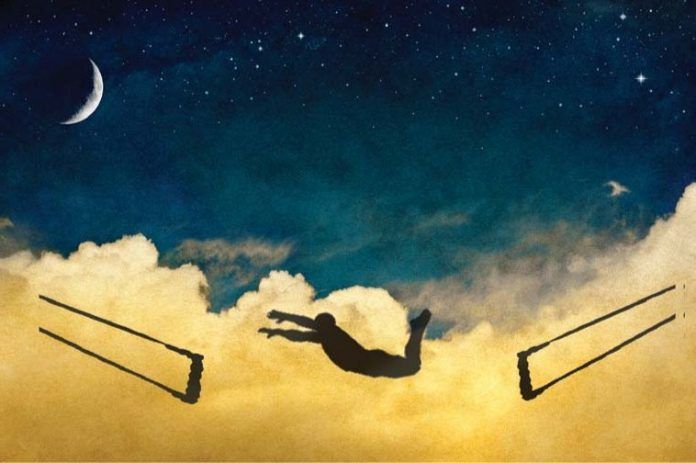
 

Liminal Time


Liminal Time is especially important for artists, for it is precisely when nothing else is happening that we’re finally able to achieve a creative breakthrough. It is only when the world is quiet and we are still that the muses deign to visit. 

Most of us only usually experience Liminal Time in small doses. Daydreaming while standing in line at the bank, or journaling during the commute from work to home. It is during these unscripted intervals between obligations that we finally have a moment in which to process our thoughts and feelings. And it is often during these small breaks from the status quo that we experience an “a-ha” of sudden insight, discovery or epiphany. 

When I lived in California, I loved to drive down the Pacific Coast Highway. Cruising along the curving road between San Francisco and Monterey Bay, with the majestic blue ocean on one side and the rugged hills on the other, I would enter a kind of waking dream-state. Something about the sea and sky along that scenic drive would instill in me a meditative calm and clarity in which all my synapses would fire. 
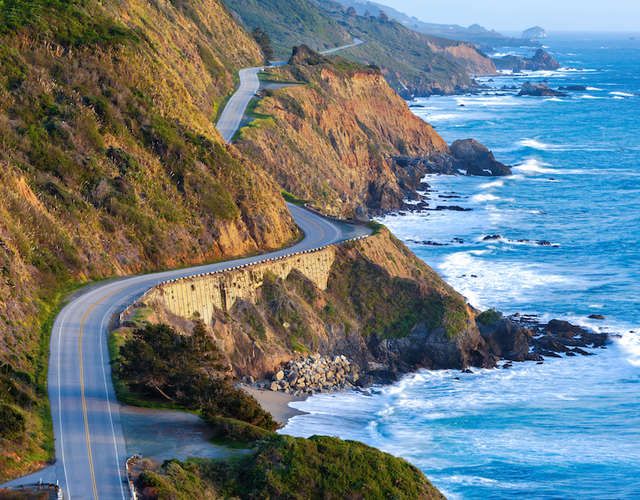
 

The Pacific Coast Highway


Highway One inspired many of my best musical compositions. I also made several major life decisions on that road: to relocate from east coast to west, to get married, to record my first album, to quit my day job and become a full time musician. All of these flashes of insight were thanks to the luxury of Liminal Time. 

Liminal Time is indeed a luxury. It stands to reason that we all would benefit from more self-reflection and course-correction. After all, if you’re always on the go, how will you know when it’s time to change direction? 

People of limited means, of which I am one, tend to regard psychotherapy as a hobby for rich people. We’d like to explore our feelings, but therapists are expensive, and anyways we’re too busy out here surviving to make time for that. 

But what if one day, out of the blue, all work was suddenly suspended, and you were asked — nay, instructed — to stay home and…just…wait? What if you were given an entire year of Liminal Time for introspection and conversation? 

After so protracted a period of Liminal Time, how could we not expect profound changes to society at large? Whether you were busy during the shutdown or not, even if you've been working from home and caring for family, the disruption of your status quo has been extreme, lasting and undeniable.

I predict that, in addition to anticipated systemic changes, such as increased telecommuting and reliance on new technology, we will see individuals make myriad bold decisions about the future of their careers and interpersonal relationships. Your new normal, and mine, will be very different from how things were before.

Which brings me to the Rashomon Effect.

In Akira Kurosawa’s 1950 film Rashomon, a murder is described in contradictory fashion by four separate witnesses. The “Rashomon Effect” refers, therefore, to the fallibility of memory and the subjectivity of perception. 
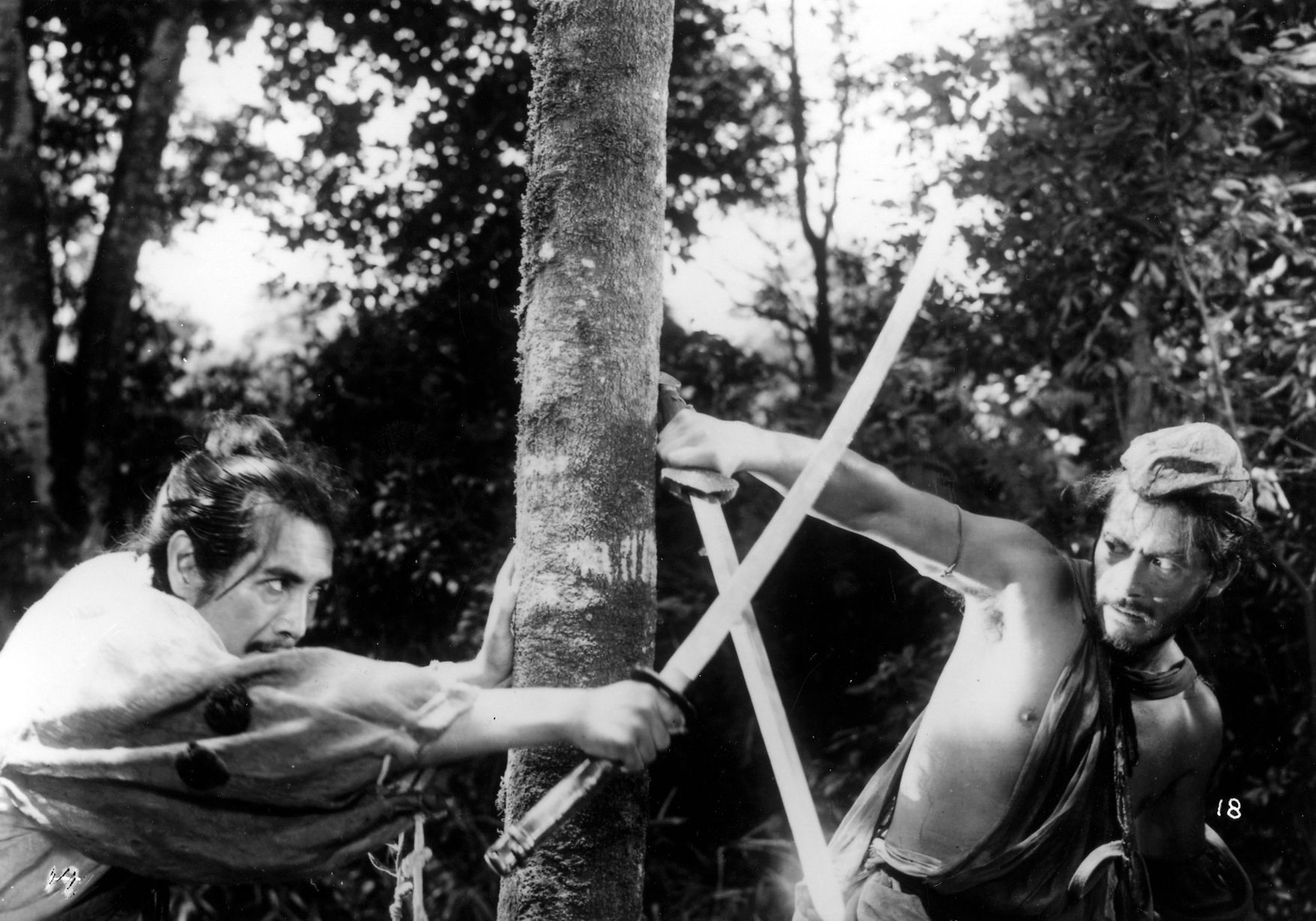
 

Akira Kurosawa’s Rashomon


I’ve been thinking quite a bit recently about the Rashomon Effect. A year of navel-gazing and comparing notes has convinced me that much of what I’ve always believed about my own origin story may, in fact, be false. And presently, as I puzzle through the mysteries of my past to begin compiling this memoir, I’m beset by many questions.

Was my father truly the devoted, attentive single parent I remember? Or was he a frequently absent man-child and serial monogamist who expected his wives and girlfriends to be surrogate mother to us both? 

Did his second wife, my biological mother Lela, “run off” when I was an infant, never to return (as the official story goes), or did she come back to us several times when I was a toddler? And if the latter is true, as the oil portraits she painted suggest, then why don’t I have a single memory of her? 

What about my stepmother Sandi? She and I reconnected online during the pandemic, which has been mind-blowing. I’ve always believed that she was only a brief part of my young life, but to hear Sandi tell it, she practically raised me all by herself, because Dad was always either at work or off birding. 

I recently learned that Sandi and Dad were married before my third birthday and stayed together until I was twelve. That’s nearly a decade, almost my entire childhood. But how can that be? In my Swiss cheese memory, Sandi was only around for a little while. I vividly remember their bitter divorce and my father’s subsequent depression, but I don’t remember having a mom when I was in elementary school. 

After Sandi there was Judy, then Catherine. I liked them all, but knew better than to get attached. “Women always leave,” Daddy Bill said, a self-fulfilling prophecy if ever I heard one. 

So was I parented by my father, his women, or both? Was it just the two of us, just me and my Daddy, the way I remember it, like all the photos in my album suggest? Or was there always someone else, a female presence, just out of frame? Come to think of it, who even took all those photographs, if not mon mère du jour?

I’m starting to suspect that I may be an unreliable narrator of my own story. Like Darley in Lawrence Durrell’s Alexandria Quartet, I'm the naïf who starts out thinking he’s the protagonist of an epic adventure, only to find out he is but a bit player and a fool. 
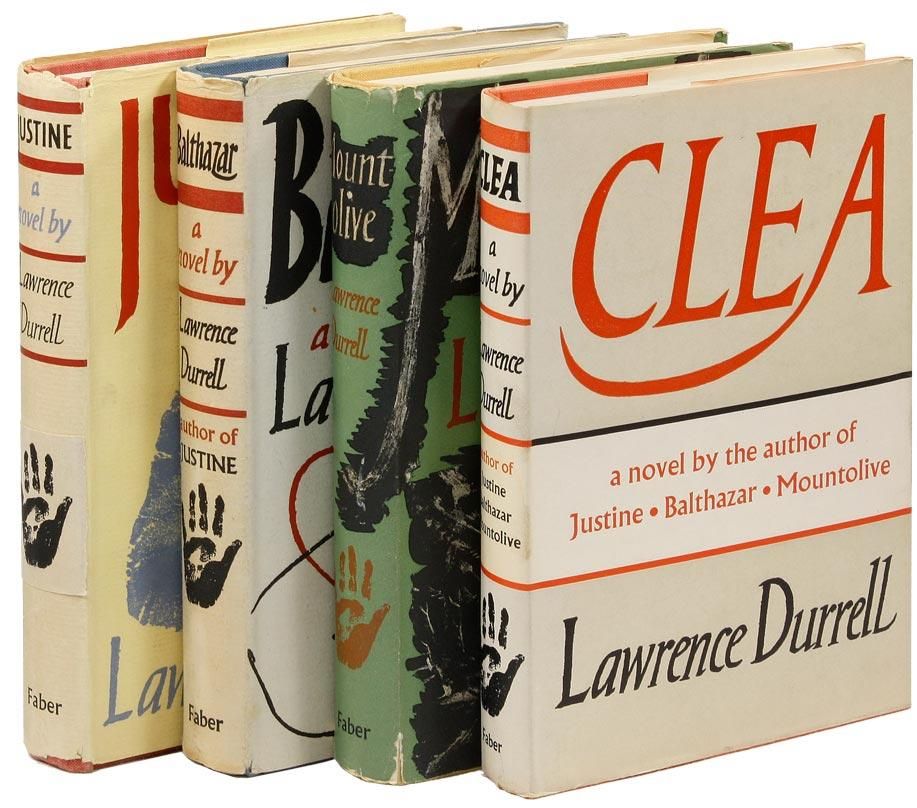
 

The Alexandria Quartet by Lawrence Durrell


Like many children in the 1970s, I was a latchkey kid who came and went as he pleased, and who grew up feeling special and entitled. The Hero’s Journey monomyth was ubiquitous in the comicbooks, movies and pop culture of the era, and I took that omnipresent message to heart. I truly believed that I was uniquely talented and destined for great things. 

Freedom-plus-encouragement was a popular parenting style back then and my father was no exception. “You can accomplish anything you want if you set your mind to it” was the familiar refrain. To this powerful maxim, add the privileges of being an only child, attending a prestigious school, and growing up white and male in the American south, and it’s easy to see how I could believe in myself to an absurd degree. 

Granted, it wasn’t always easy being the artsy kid in a community which prized athletes and scholars, but “artist” was the identity I chose, and it quickly paid off. My earliest memories are of being in the spotlight, hearing applause, winning awards, taking a bow. Thus my father’s colleagues on the arts faculty at Brookstone School became co-conspirators in propping up both his high hopes for me, and my own nascent delusions of grandeur. 

Looking back, I now suspect that those compassionate grown-ups who singled me out, did so not so much for my talent and potential, but out of pity for the poor little ragamuffin from a broken home. He needed the boost, bless his heart. 

Today when I look at a school photo of ten-year-old Dmitri, I see things that were invisible to me at the time. I see his uncombed hair and the dirty smudge on his cheek. I notice the wrinkled, oversized hand-me-down shirt he wears, and how it's falling off his skinny little shoulders. I observe the unearned defiance of his proud, upturned chin. What I see is an arrogant problem child who needs a little more discipline and a lot less praise. 

Big picture, Tyler Durden was right. “You are not special. You are not a beautiful and unique snowflake.” Sadly, by the time I was old enough to see Fight Club, I was already too far gone, a slave to the tyranny of my own bogus, manufactured destiny. 

So what did I learn in lockdown? To doubt the veracity of my own story. 

Which begs the question: if I’m not who I thought I was, then who am I? 

And if this is a chance to reinvent myself ... who do I want to be?

Next:
THE HUNKER BUNKER REPORT
PART 5 — THE ROAD AHEAD

04/05/2021

  • Leave a comment
  • Share
    THE HUNKER BUNKER REPORT | PART 4 — WHAT I LEARNED IN LOCKDOWN

    Share link

in Art, Pop Culture, Quotes, Encouragement, Motivation, Mindfulness, Oral History, Role Models/Mentors, Dmitri Matheny Quotes, Favorites, Listening, Mystery, Youth, Dmitri Matheny Memoir, Intention, Film, Literature, Advocacy, Humility, Roots, Resourcefulness, Change, Bill Matheny, Love, Health & Fitness

THE HUNKER BUNKER REPORT | PART 3 — MENTAL HEALTH & SOCIAL CONNECTION 


“I enjoyed the time out! I loved the fact that nobody had to achieve anything. 
And the light at the end of the tunnel is stressing me out.” 

—Neal Brennan 
 

After a full year of hunkering down and hiding out, I must admit to feeling anxious about the prospect of getting back out there again. My auto-diagnosis: 10% agoraphobe, 10% germaphobe, 30% introvert, 50% rational, reasonably cautious person. 

Several fellow creatives have told me that they, too, feel somewhat ambivalent about returning to their old lives. 

“To tell you the truth, I needed the break,” my friend Hans confessed over Zoom. “I was feeling burnt out for about five years before this thing hit.” 

Another colleague confided, “I’ve always been a homebody. Now I have permission! I hear folks talking about Covid Cabin Fever and how they can’t wait to go to a party or a bar. Is it weird that I don’t feel that way, like ... at all?” 

I don’t think it’s weird. We’re not all wired the same. Some of us feel imprisoned and can’t wait to bust out. Others find comfort in what Red in Rita Hayworth and Shawshank Redemption called “the poison peace of institutional life.” 

Personally, I miss touring and performing, but not the relentless hamster-wheel hustle required to maintain that lifestyle. Moreover, now that I’ve experienced a year of living simply, I’m finding it difficult to remember why I ever felt it was so damned important to be busy all the time. 


I miss touring and performing, but not the relentless hamster-wheel hustle required to maintain that lifestyle.


When I hear reports of how social distancing is taking a toll on people’s emotional and mental health, I empathize. According to scientists at the University of Virginia, “human beings aren’t wired for social isolation. When people experience chronic social disconnection, they are subject to psychological distress, physical discomfort, and an increased risk of illness and death.” 

In-person social interaction seems to be especially important for children, whose brains are still developing. Socialization helps young people create a sense of self and learn what others expect from them. I really feel for all those high school and college students who are missing out on precious daily face-to-face interaction with peers, not to mention the group rituals that mark developmental milestones, such as the prom and graduation. 

I also feel for their parents. My friends with teenage kids have taken a crash course in the importance of socialization this year. They’ve learned first hand the extent to which their children’s happiness and well-being depends upon the physiological stress-buffering provided by “hanging out with friends.” 

Then there are those single adults, living alone, who’ve experienced profound feelings of sadness during the solitude of this past year. I feel for them, too, especially the older folks who just want to hug their grandchildren. 

I’m no stranger to loneliness, but leave it to me, the Pandemic People-Person, to experience better mental health and a stronger sense of community during this topsy turvy time. Truly, I have never felt such a sincere social connection to my friends and family, as during this year of sheltering in place! 

Dig: before the pandemic, my life was rife with obligatory interactions. Pitching prospects, calling on clients, managing musicians, mingling with the crowd. Hustle. Hang. Repeat. Ad infinitum. 

A career in the performing arts is essentially a never-ending cycle of event planning. If you’ve ever helped plan a wedding, you know how communication-intensive this kind of work can be. A single event may require dozens of phone calls, emails and discussions. 

Now imagine producing over 200 events a year! Is it any wonder that on my nights off I craved only solitary peace and quiet? Is it any wonder that, other than a weekly phone call to my faraway father, I rarely spent time, socially, with anyone? 
 

Is it any wonder that on my nights off I craved only solitary peace and quiet?


It’s not that I'm antisocial. I love my friends and family. I miss them when we’re apart. But I've always been an introvert, and prior to this pandemic, I simply did not have the alone time required to sort through all the stimulation of my world and my life. 

But during the shutdown? I’ve been downright gregarious!

Refreshed and recharged, I’ve transformed into a Social Media Butterfly — reaching out, checking in, taking a genuine interest in the lives of others. 


Refreshed and recharged, I've transformed into a Social Media Butterfly.


With plenty of time on my hands, I’m now using my phone socially, too. Every day I call a different person, just to say hello. Amazing! This is something I would never have made time for in the past. 

This year, through the miracle of technology, I’ve been able to reconnect with distant family, enjoy several heart-to-heart cyber-talks, and even engage in a few “virtual happy hours” with dear friends. I joined group chats, checked out some concerts, participated in podcasts, and even attended a live stream wedding! I've never been more grateful for the healing, community-building power of the internet.


I've never been more grateful for the healing, community-building power of the internet.


And now, when I stroll with my dog in our little town, we will often stop to chat, socially-distanced, with the neighbors. I used to despise “small talk” as a waste of time, but you should hear me now, remembering names and remarking on the weather and whatnot. 

Dare I say it? I’ve never been more social than during this time of social isolation. 


Next:
PART 4 — WHAT I LEARNED IN LOCKDOWN

03/29/2021

  • Leave a comment
  • Share
    THE HUNKER BUNKER REPORT | PART 3 — MENTAL HEALTH & SOCIAL CONNECTION

    Share link

in Pop Culture, Quotes, Encouragement, Motivation, Mindfulness, Oral History, Role Models/Mentors, Dmitri Matheny Quotes, Listening, Dmitri Matheny Memoir, Bidness, Intention, Literature, Advocacy, Simplicity, Humility, Resourcefulness, Change, Bill Matheny, Love, PNW Life, Health & Fitness, Scout

Next Page
©1996-2025 Dmitri Matheny. All Rights Reserved.

Some images ©

  • Log out