
DIMA'S BLOG

Don't forget to pause the streaming music at the bottom of your screen before playing video or audio clips.

I BELIEVE I CAN TOUCH THE SKY

ART FARMER plays JUST FRIENDS

BOBBY SHEW plays RED SNAPPER

GUIDO BASSO plays MY ROMANCE

ACK VAN ROOYEN plays ROUND MIDNIGHT

MY APPROACH TO JAZZ by Woody Shaw


In order for me to be consistent as a trumpet player, I try to practice every day, for at least two or three hours. Oh, I’ve been in certain grooves when I said: “Well, I don’t need to practice”, and I rely on certain professional tricks, that I can get by with. But my creative mind tells me that getting by isn’t enough. So I do my chromatic scales and the little exercises. Then I have some symmetrical exercises of my own that I’ve developed. I‘m hoping to write a fundamental book on some of the exercises that I use to attain the concept that I have. A lot of trumpet players have been asking me to put out a book; so I’m working on it.

Definitely, every register is important. As for when they get hung up with the upper register—that turns me off. Because the beauty of the trumpet is in the middle and lower register, you know; I use the high register for excitement, and for effect.

For fingering, the difficulty is in middle register, from middle C on down—that’s why they play so high! I’m going to see if I can have a trumpet designed where I can go even an octave lower than the concert E that it goes to right now. I hear something else; to do what I want to do, the conventional trumpet is not enough now. I need another register—where am I going to get it from? I think it’ll have a fourth valve; I’ve seen a German flugelhorn like that—it goes down to four octaves.

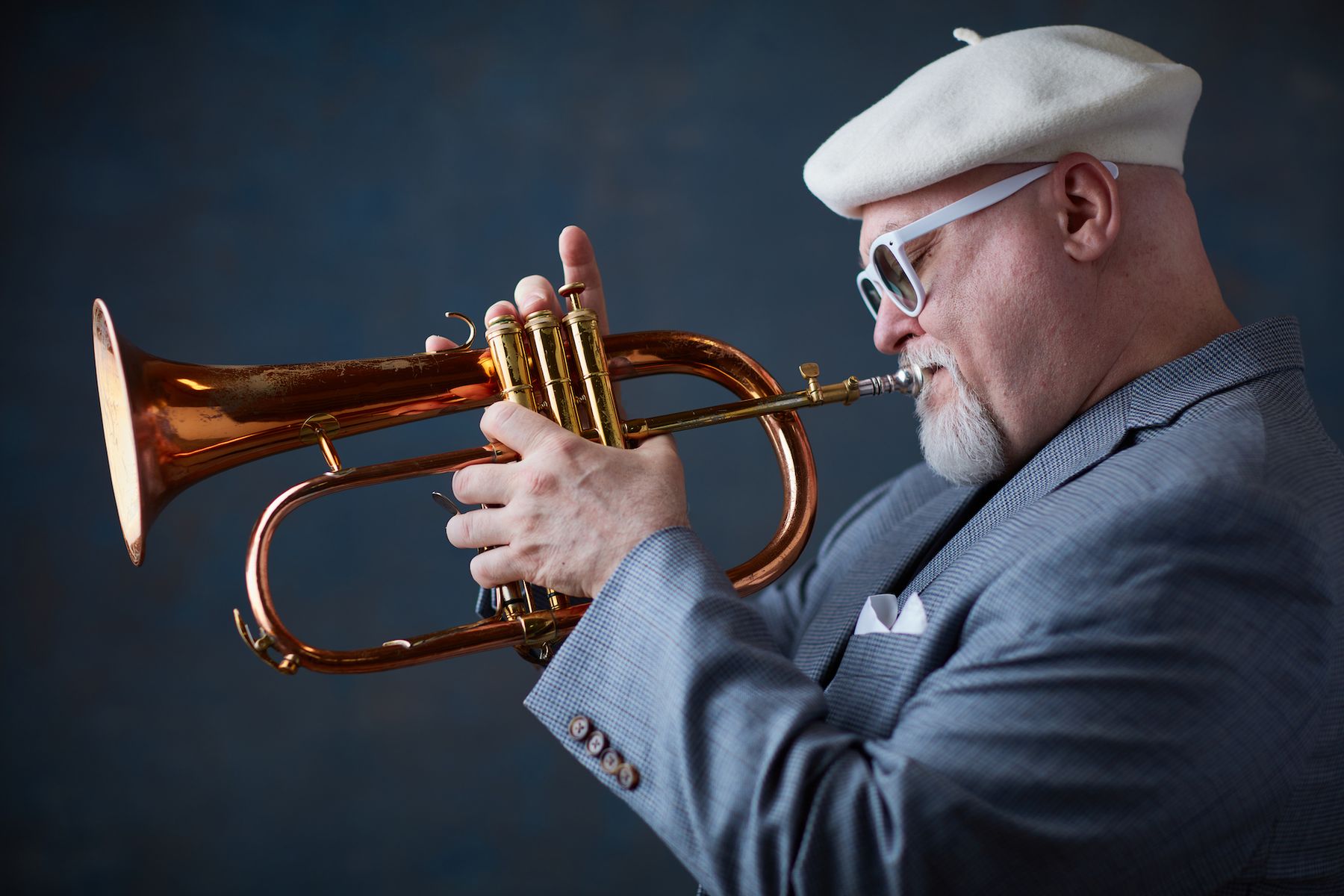
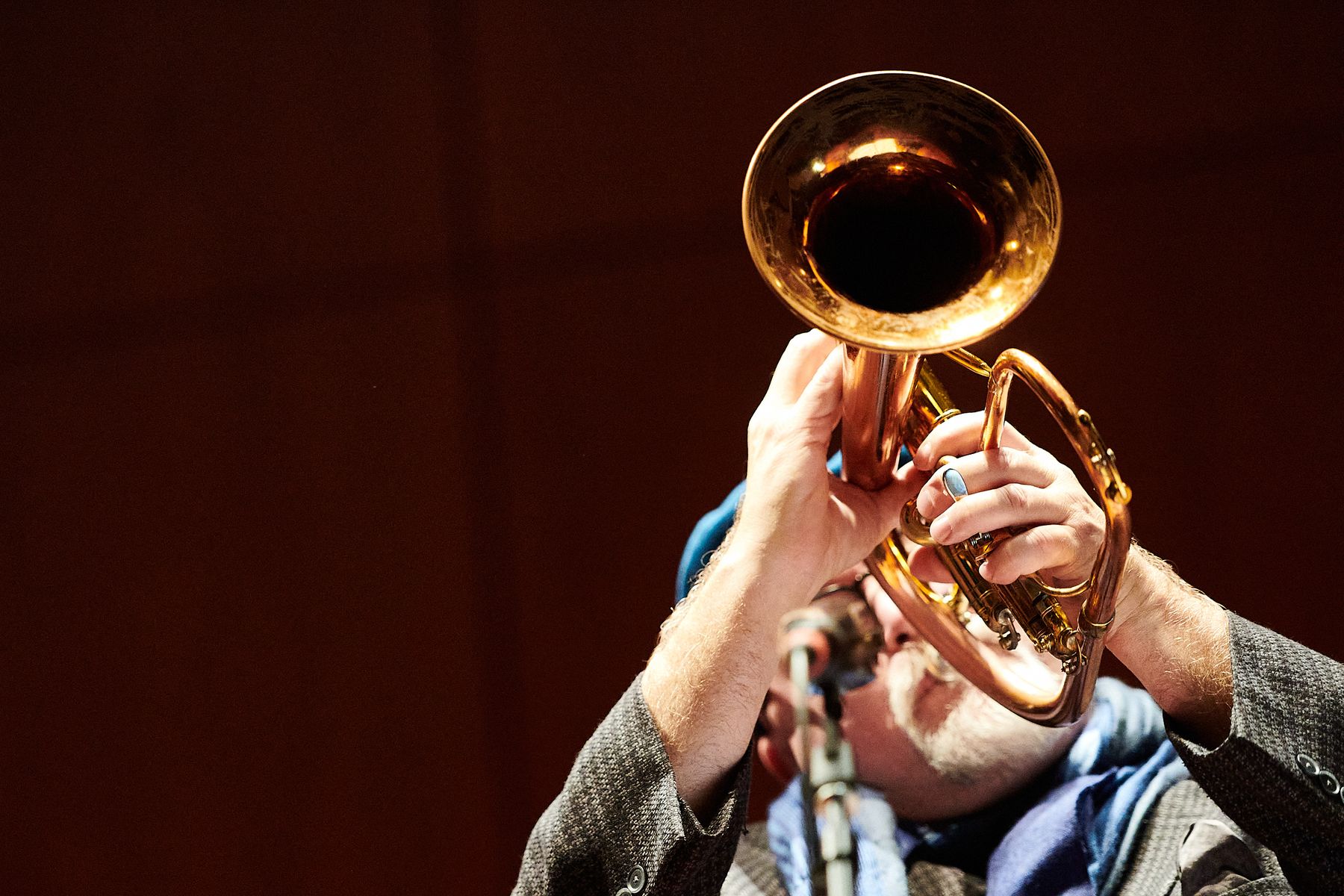
I have played the flugelhorn at times, but I like the trumpet. The flugelhorn is purely incidental to me; it’s effective and pretty in certain things—but I can get just about the same sound on the trumpet. I have a very well–developed low register, with a very big, dark sound; so I don’t worry about the flugel. But—I’m going to get a flugelhorn ! Now, that instrument fits Art Farmer perfectly; you could have no better choice to play the flugel. It fits his style, his whole musical personality—he’s a very lyrical player. I heard him recently; he sounds beautiful.

Talking of trumpet players like Art Farmer—it’s so refreshing to hear him. I mean, I don’t want to hear Freddie Hubbard play rock, man, but that’s what he’s doing—he’s too good a player for that. But I heard Benny Bailey not long ago—he just knocked me out. Where are all the good improvisers that I grew up on? I look around, and it seems like I’m the only one out here. I still get an occasional chance to hear Blue Mitchell. But I don’t hear any young guys that impress me at all. I was twenty when I was with Horace, and it took me a while to get where 1 am—I’m thirty–one now. You always look for a young demon on the horizon—I haven’t heard him yet.

I think I can claim to have one of the newest approaches on the trumpet. I know some very good trumpet players out there, but they’re just not playing what I want to hear. It’s something that comes with a lot of study and practice. See, to be a good improviser, you’ve got to know about music, to know what you’re doing.

You have to know a certain amount about the keyboard harmony, and playing in all the keys. I think that’s another point, why all the free musicians shy away from learning bebop things—it goes through all the keys. And to play all the keys is very difficult——to get your technique in D flat equal to your technique in C, D equal to E flat, and so on.

By no means is jazz dead—that’s essentially why Louis Hayes and I formed this band. We really enjoy playing. Ronnie Scott’s is a nice club, but the only drag about playing there is that we only have forty–five minutes for each set. We’re used to playing an hour, or an hour–and–a–half—maybe even two hours. So we’re getting our show–time technique together.

You do a record date, you have to take shorter solos—I think of this gig like a record date. We did pretty good towards the end of our engagement last August: we were getting in three tunes per set. If it became a little more expressive, we went back to two again. Which is all right; if we can get two good tunes into a forty–five minute set, I don’t think anything’s lost.

The thing I like about New York: I can go all over town, and hear some good music. When I used to be in San Francisco, guys would say: “Ah, nothing’s happening in New York.” I said : “Nothing? I can’t believe that.” I came back, and sure enough, it was happening. Jazz went through its little down trend, but it’s better now.

For one thing, I blame the musicians for nearly killing the music. I mean, some of the rubbish that they call jazz in the States is not jazz.
George Wein puts on what he calls the Cool Jazz Festival—with Harold Melvin and the Blue Notes, Aretha Franklin, Gladys Knight and the Pips, Ramsey Lewis. That’s not jazz! We were thinking about suing this cat for degrading the name of jazz! And we had a whole nest of noisemakers misusing the word also. We said : “Wait a minute—we gotta change this a little bit !” It was time for us to get together. We used to watch Cedar Walton’s band, with George Coleman, Sam Jones and Billy Higgins: they seemed so happy up there when they were playing—and they work all the time. They stay busy. We said: “They’ve got a quartet. Let’s get a dynamite quintet, with trumpet and tenor.” Well, I was complaining before because I wasn’t working that much: I’m complaining because I’m working too much now.

People who’ve never even heard jazz can really enjoy it, if they’re given a chance to. The presentation of it is very important. There are a few of us; I can name Cedar’s band, McCoy Tyner. the Heath brothers. Art Blakey.

Horace Silver, Bobby Hutcherson—he’s still playing. I learned a lot from him when I was in school. We’re the ones out here who still believe in the music.

Mentioning McCoy reminds me: I used to play with him, and he was a very strong influence on me. He used to tell me: “Woody, you’re going to be the next great trumpet player out here. Just keep going straight ahead. Do what you have to do, and believe in the music.”

I watched him, and now the same things are happening for me. This was a few years ago when he said this; I was with him in the late ‘sixties. I talked to him again recently; he said: “Hey—I told you.” Now, I’m just starting to gain some of the rewards of playing the music, I think. That reward is to just let me play—make a decent living, and be happy. I really don’t think a creative musician belongs with a lot of money—it stunts his growth. They do deserve their full rewards for their contribution. But a musician—once he starts earning a lot of money, man, his music gets corny; I don’t see why that has to be the case, but it usually is. Some kind of line has to be drawn, that’s all.

Mind you, now—I want as much as I can get! But I really can’t complain. Specially when I remember that around two years ago I was sitting depressed in San Francisco. Nobody seemed to be paying me any attention; I couldn’t get a decent gig anywhere. I even started considering : “Man, I can’t even play this thing any more.” I felt in myself that I wasn’t playing anything. I changed my environment and now the ideas are just brimming over in my brain. I think environment has a lot to do with it. Me, I’m from the city—that stimulates me.

This group is going to stay together, keeping working and making records. We have one out on Wim Wicks’ Timeless label, which is based in Holland. And I myself have exclusively signed with Muse Records. When my record “The Moontrane,” came out in ‘75, it was pretty controversial—I think because they were surprised that somebody came out with a hard, smashing, swinging jazz record. I believe I kinda restored the faith in a few people, with that; I got a lot of very nice reviews on it. I have a more recent one that had the same effect; it’s called “Love Dance”. Now, I’m finally starting to record some personal ideas that I want to put down; I’m going to show different aspects of my playing. One of these ideas is a brass record date, with three trumpets, four trombones, one reed and a rhythm section—maybe some miscellaneous things here and there. I’m very wrapped up in writing something for brass.

I stay fresh by doing different things —now that I’m finallv getting a chance to record my own material—I made a lot of records as a sideman, and I used to ask myself: “How come I can’t get a record date?” I know now—it wasn’t time. Very simple. To my record now I have four albums out: “Blackstone Legacy” is a double record set on the Contemporary label; I have another one called “Song Of Songs”, which is out of print right now, also on Contemporary, and the two Muse records. So I hope to be recording some interesting things.

Something else I must mention is that we have very good management. Maxine Gregg is doing a very good job; she really loves the music—we need more people like her in the business. She knows what the musicians go through, what we have to do to get where we are. I think if we had some more sympathetic management out here, you would see a lot more groups.

The beautiful thing about this group is : everywhere we go, they love us. The worst gig we did was in Italy; we played on this concert that had a lot of the free music on it. Before we went on, Sam Rivers had the people in an uproar, really roused; he plays the flute for a minute, goes into his whooping and hollering sounds with his voice, sits at the piano and bangs on that for a while, then runs over and grabs the saxophone—a frenzy of activity. The people were banging chairs and everything. When we played, we had a completely calming effect on them; we turned them right back into conservatives. So that was an experience. I mean, we go out there, too, sometimes—but we know how to get back, though. I’ve got my feet on the ground—or at least I’ve got my parachute on!

Courtesy of the National Jazz Archive

REMEMBERING CLARE FISCHER

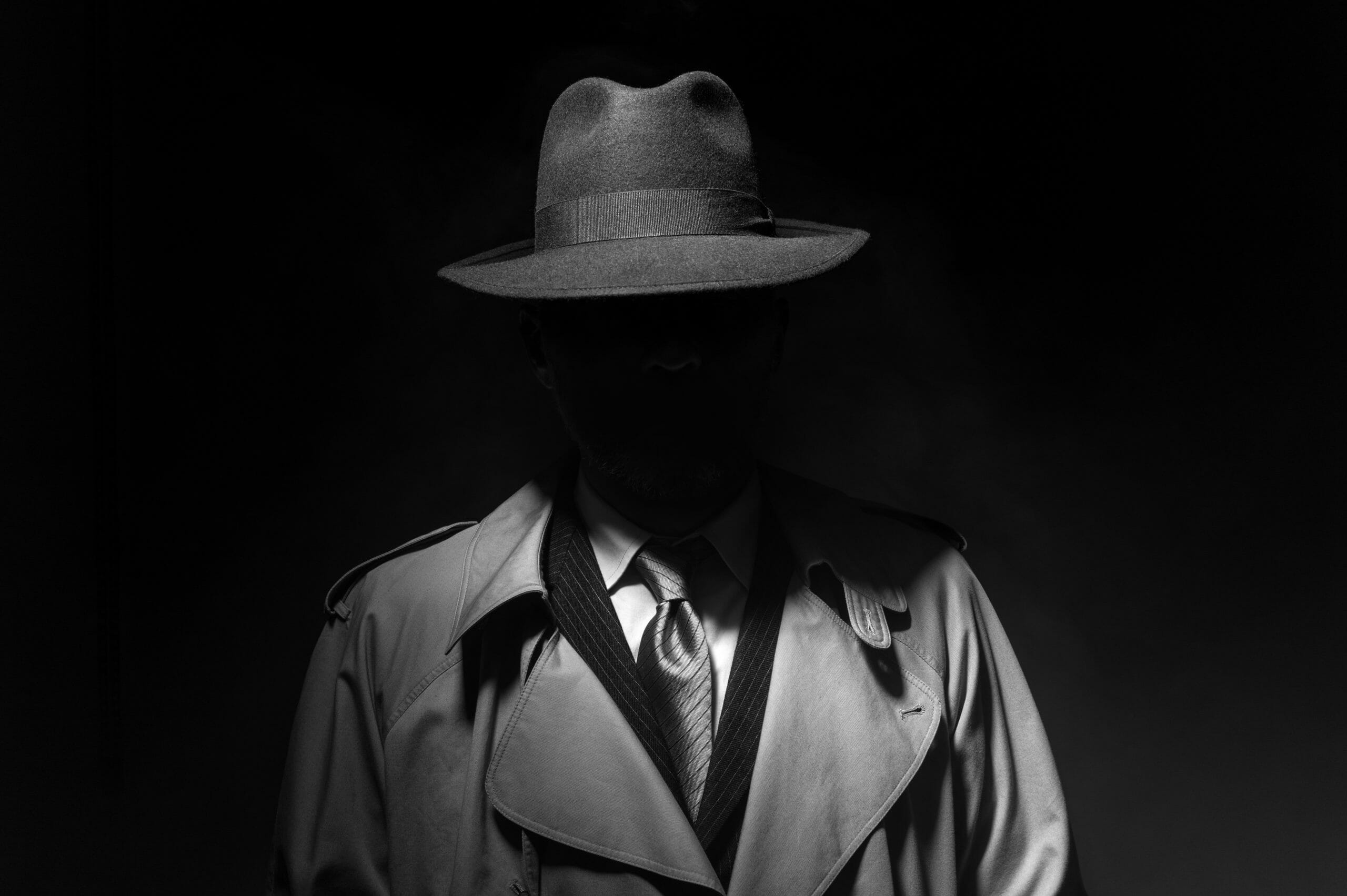
NOIR

I could write a hundred poems
about the look of your sleeping face

here where the wood stove waits

for fast-approaching winter

I’m on the floor in front of your couch

surrounded by books of poetry

kept company by the constant hum

of our modern age and the ageless

sound of your breathing

not even Sam Spade could unravel

the intricate mystery of how

we came to be here tonight
but as soon as you walked into the cafe
I knew you were trouble


Jason Crane

I LEFT MY HEART IN SAN FRANCISCO

THE SINGING HOUSE

COLLABORATE & IMPROVISE


"In the history of humankind those who learned to
collaborate and improvise most effectively have prevailed."
—Charles Darwin

FEAR THE BABY ROBOPOCALYPSE

GREEN LANTERN Silver Age Covers Slideshow

THE STRUGGLE


"They have removed the struggle to find anything. And therefore there is no genuine sense of discovery. Struggle is the first thing we know getting along the birth canal, out in the world. It's pretty basic. Book store owners and record store owners used to be oracles, in that way; you'd go in this dusty old place and they might point you toward something that would change your life. All that's gone."
—Tom Waits

HELLO?

STYLE

"Self-plagiarism is style."
—Alfred Hitchcock

THE WORLD OVER


"Though we travel the world over to find the beautiful,
we must carry it within us or we will find it not."
—Ralph Waldo Emerson

THE MYSTERIOUS


"The most beautiful thing we can experience is the mysterious. It is the source of all true art and all science. He to whom this emotion is a stranger, who can no longer pause to wonder and stand rapt in awe, is as good as dead: his eyes are closed."
—Albert Einstein

A BRIEF HISTORY OF MOVIE TITLE DESIGN

CREATE WHAT YOU WILL


"Imagination is the beginning of creation.
You imagine what you desire, you will what you imagine
and at last you create what you will."
—George Bernard Shaw

A POP SENSIBILITY


"My style is to alloy my musical interests with a pop sensibility,
a common touch. People respond to great melodies
from all genres."
—DM

LOSS


"If I am what I have and if I lose what I have, who then am I?"
—Erich Fromm

"Anything you cannot relinquish when it has outlived its usefulness,
possesses you. And in this materialistic age, a great many of us are
possessed by our possessions."
—Mildred Lisette Norman

"It's only after we've lost everything that we're free to do anything."
—Tyler Durden

THE GAMER

The Gamer achieves a level of satisfaction in the virtual world which the real world does not provide. He plays compulsively, isolating himself from family and friends, focusing entirely on in-game challenges. Eschewing the life events that seem important to others, he gradually gains mastery of his game, ultimately winning a singular, solitary sense of accomplishment.


THE CHOSEN

The Chosen is called upon by destiny to improve the state of humanity and the world. He is descended of and selected by those chosen before, known as The Elders. The Chosen does not choose his calling; the calling chooses him.


THE CONDUIT

The Conduit communes with the metaphysical realm, channeling spiritual energy. He serves as a ritual messenger, our intermediary to the divine and liaison with the muses. Is he a metaphor or a functionary? Is he symbol or vessel?


Older Posts »
© 2011 Matheny Music | Papillon Recordings. All Rights Reserved.